
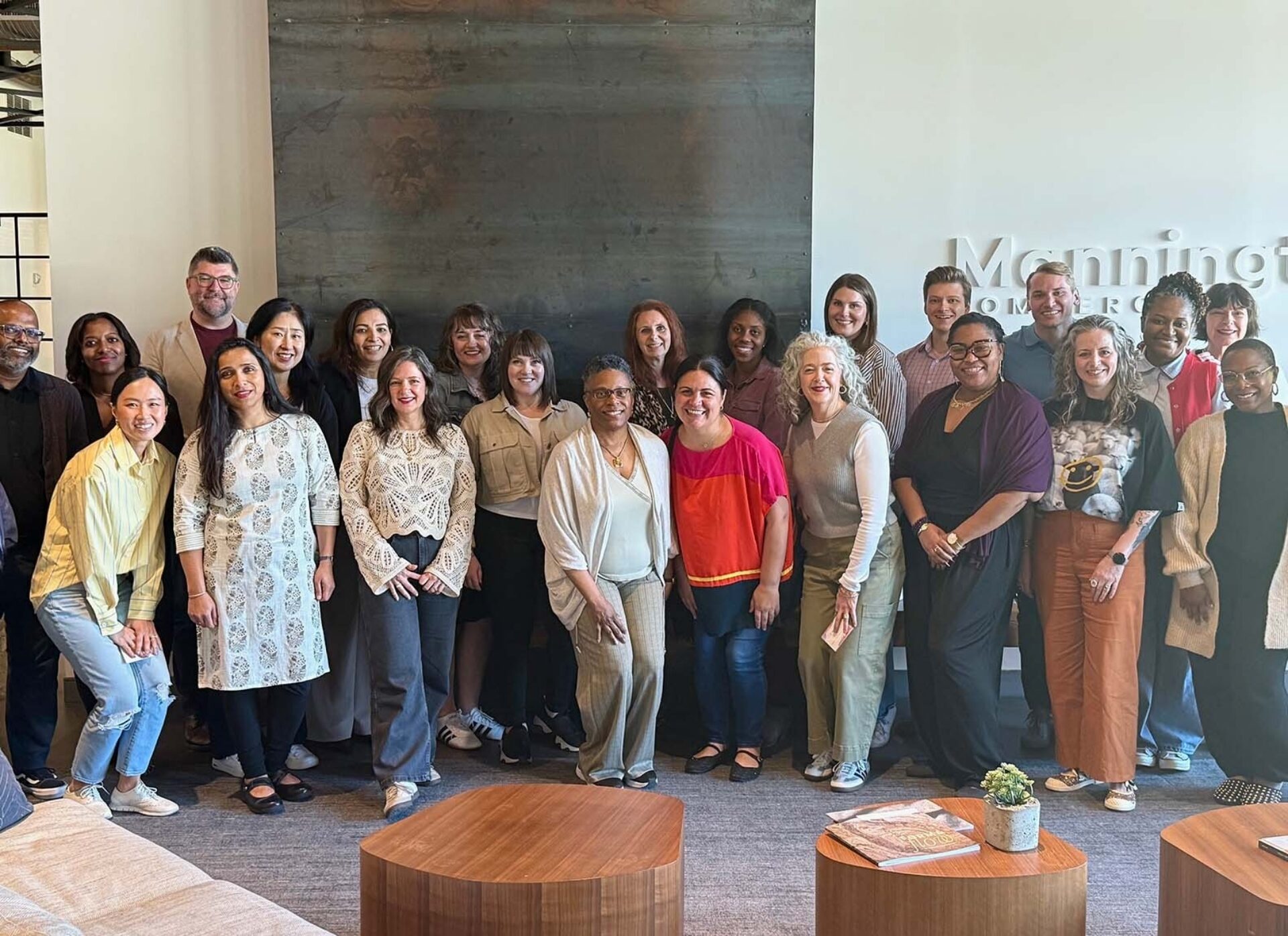
What does it take to design spaces where people genuinely thrive? That was the question at the center of IIDA's inaugural Spaces for Possibility Symposium, hosted and sponsored by Mannington Commercial in Atlanta. Over two days, an intimate group of designers, researchers, and industry leaders gathered to dig into the science, the practice, and the very human stakes of design for wellbeing. Here's what stayed with us.
Empathy Is a Design Tool
The conversations in Atlanta kept returning to empathy — not as a value statement, but as a genuine methodology. Speakers pushed the group to look beyond the people inside a building to those in the surrounding community, too. One example that stuck: a neighborhood in Georgia where housing for older adults is placed closest to the community park, with family housing further away — so that young families with children naturally pass through spaces where older residents live. No programming required. Just thoughtful placement, and two generations stay connected.
And the same principle holds at every scale: when designers account for specific or nuanced needs — neurodivergent students, aging residents, people with disabilities — the result almost always works better for everyone. As one panelist put it: a simple accessibility feature installed for one person became indispensable to an entire office once it was removed.
Experience Is Neuroscience
The link between design and human wellbeing isn't just intuition anymore: it's measurable. Researchers and practitioners alike explored how sensory input — texture, light, acoustics, temperature — affects stress, creativity, and cognitive function in ways we can now begin to quantify. Subtle design choices carry real neurological weight: a textured wall versus a blank one registers differently in the brain. Biophilic elements help regulate the nervous system. Transition spaces give people's minds a moment to shift gears.
There was also an honest reckoning with complexity. Our responses to aesthetic environments are deeply individual, shaped by culture, physical ability, neurodiversity, and even the time of day. The most forward-thinking design doesn't chase a universal solution — it builds in variety and flexibility, making room for the full range of human experience.
Care Is the Work
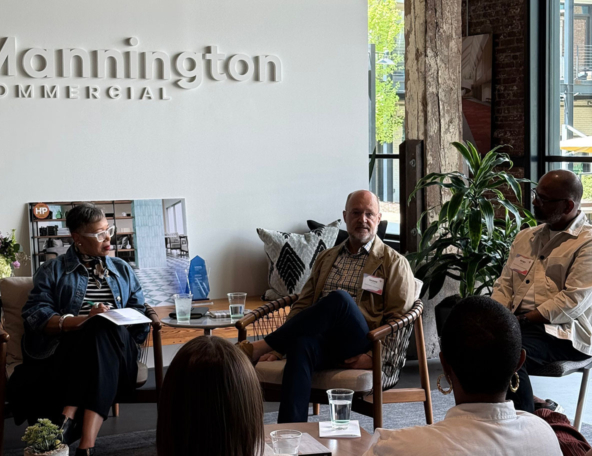
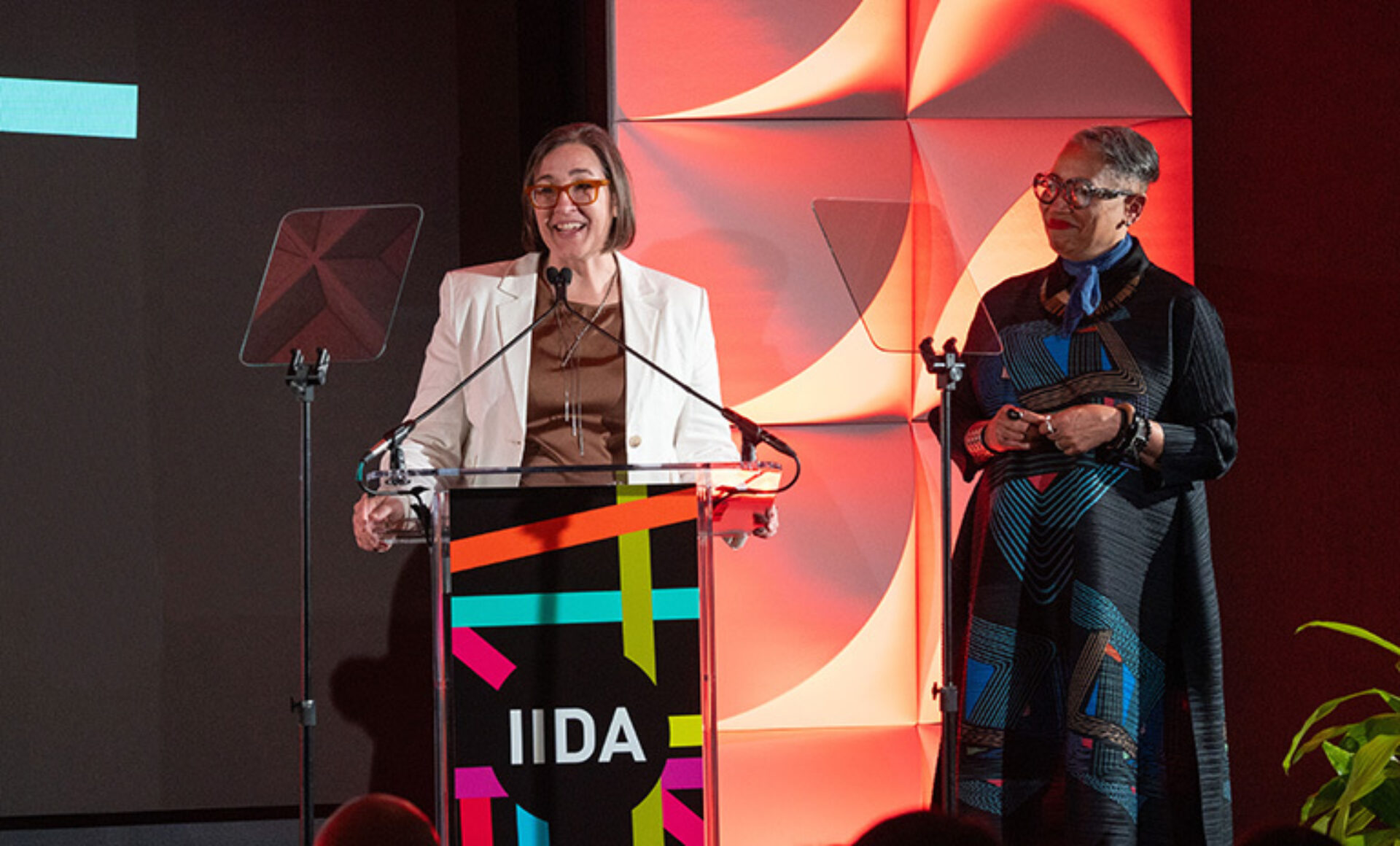
If there was one theme that cut across every conversation, it was care — a broadened, more rigorous version of what it means to design for people. That includes scrutinizing the health impacts of the products we specify, understanding the full sustainability footprint of our material choices, and recognizing that those two things are increasingly the same consideration. Mannington Commercial's own sustainability leaders joined IIDA EVP and CEO Cheryl Durst, Hon. FIIDA, for an open examination of how manufacturers are — and must continue — rethinking their practices to serve both human health and the planet.
Care also showed up in discussions about who tends to be left out: the healthcare worker whose break room gets the budget leftovers; the neurodivergent employee who needs predictability to do her best work; the older resident who deserves a neighborhood designed to keep her part of community life. Designing with care for those at the edges, panelists agreed, is what moves the whole field forward.
Related Articles
-
Behind the Design: IIDA’s "Beyond" Campaign
IIDA’s Senior Art Director, Danielle Nelson, goes analog for Chicago Design Week -
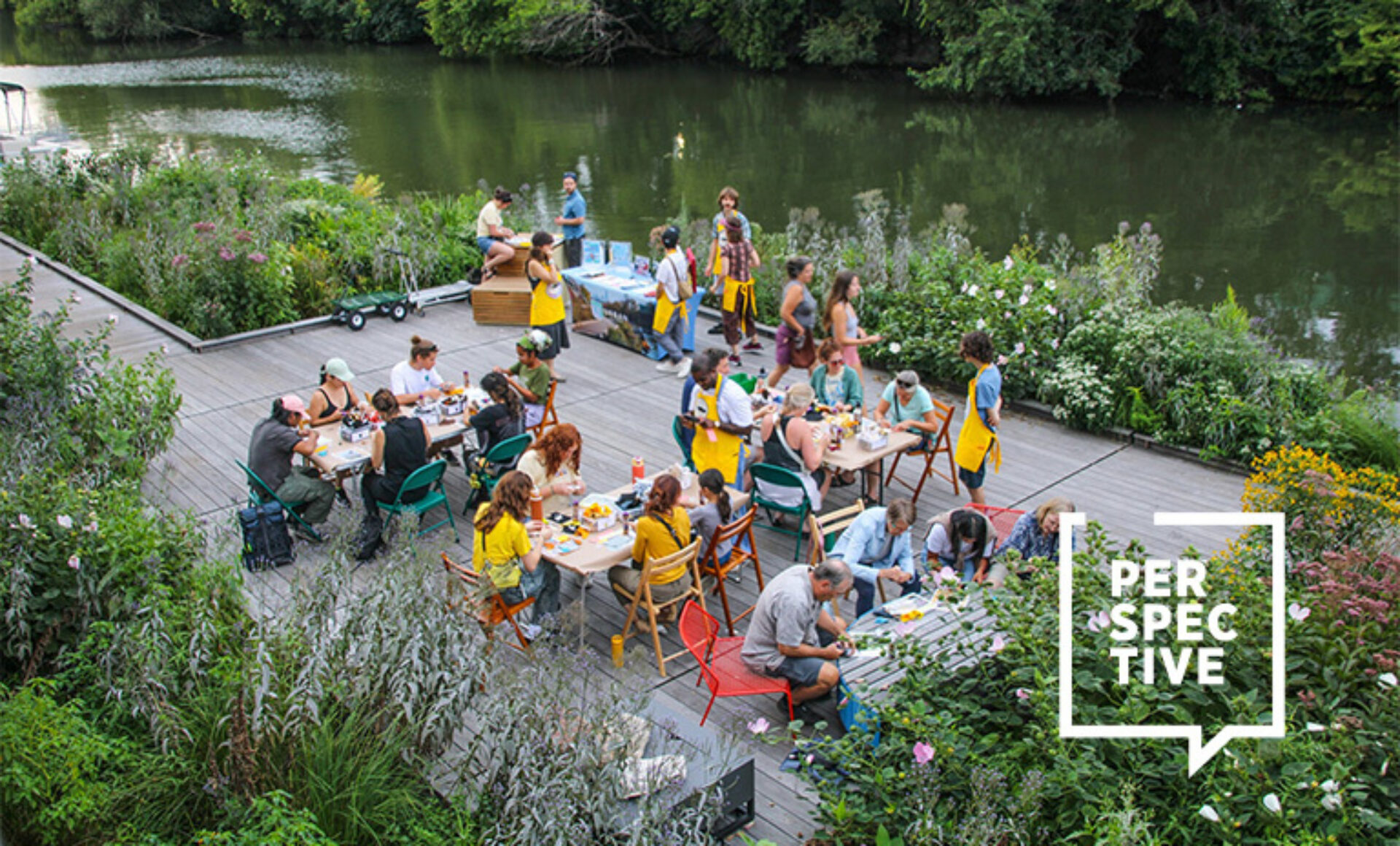
Perspective: Designing for Human Connection
The Spring issue is all about designing for human connection — in healthcare, hospitality, spiritual spaces, even eco-parks -
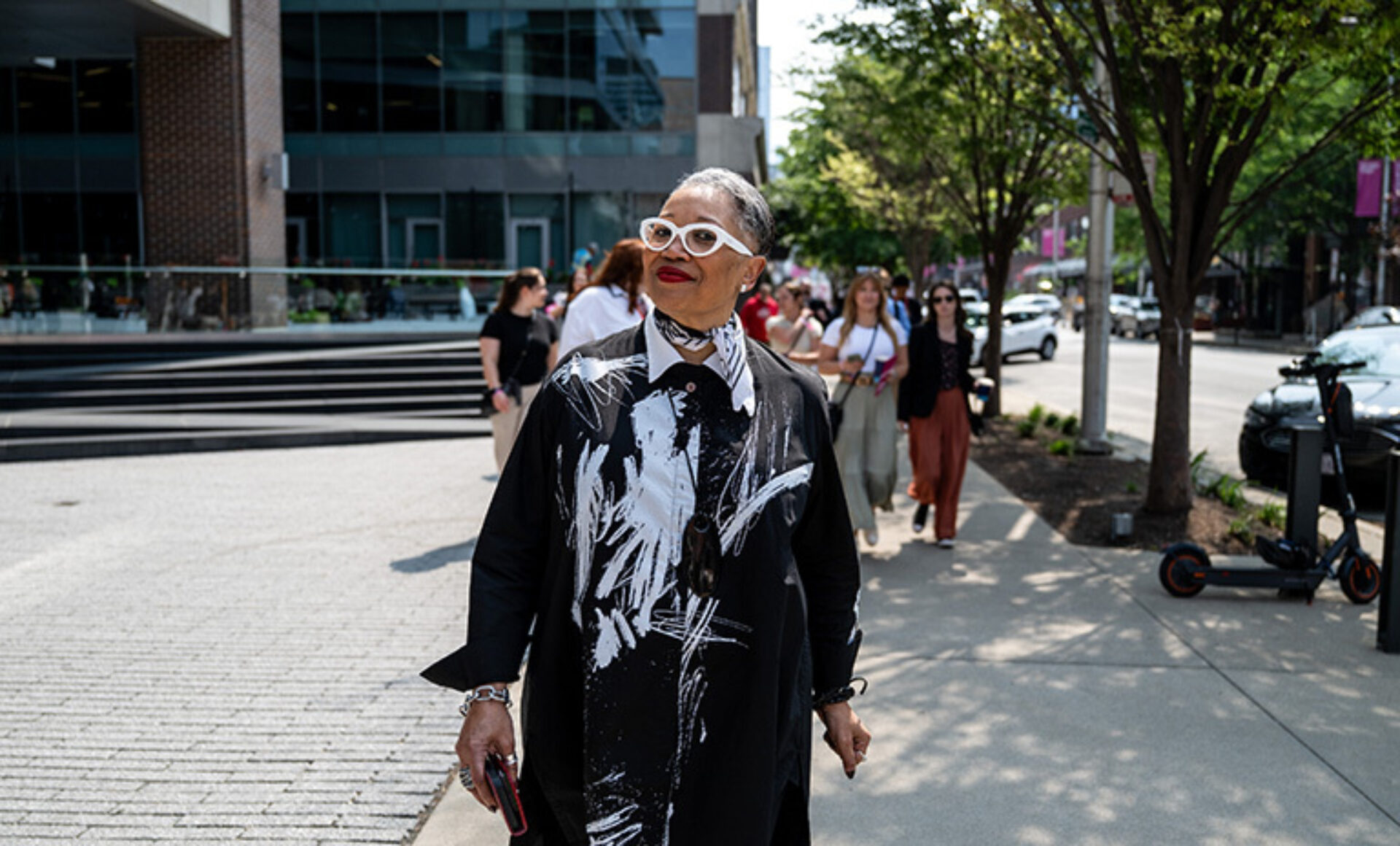
Advice From a Part-Time Optimist
Tips for navigating volatility and calming your nervous system — plus 14 suggestions to help you boost your happiness -
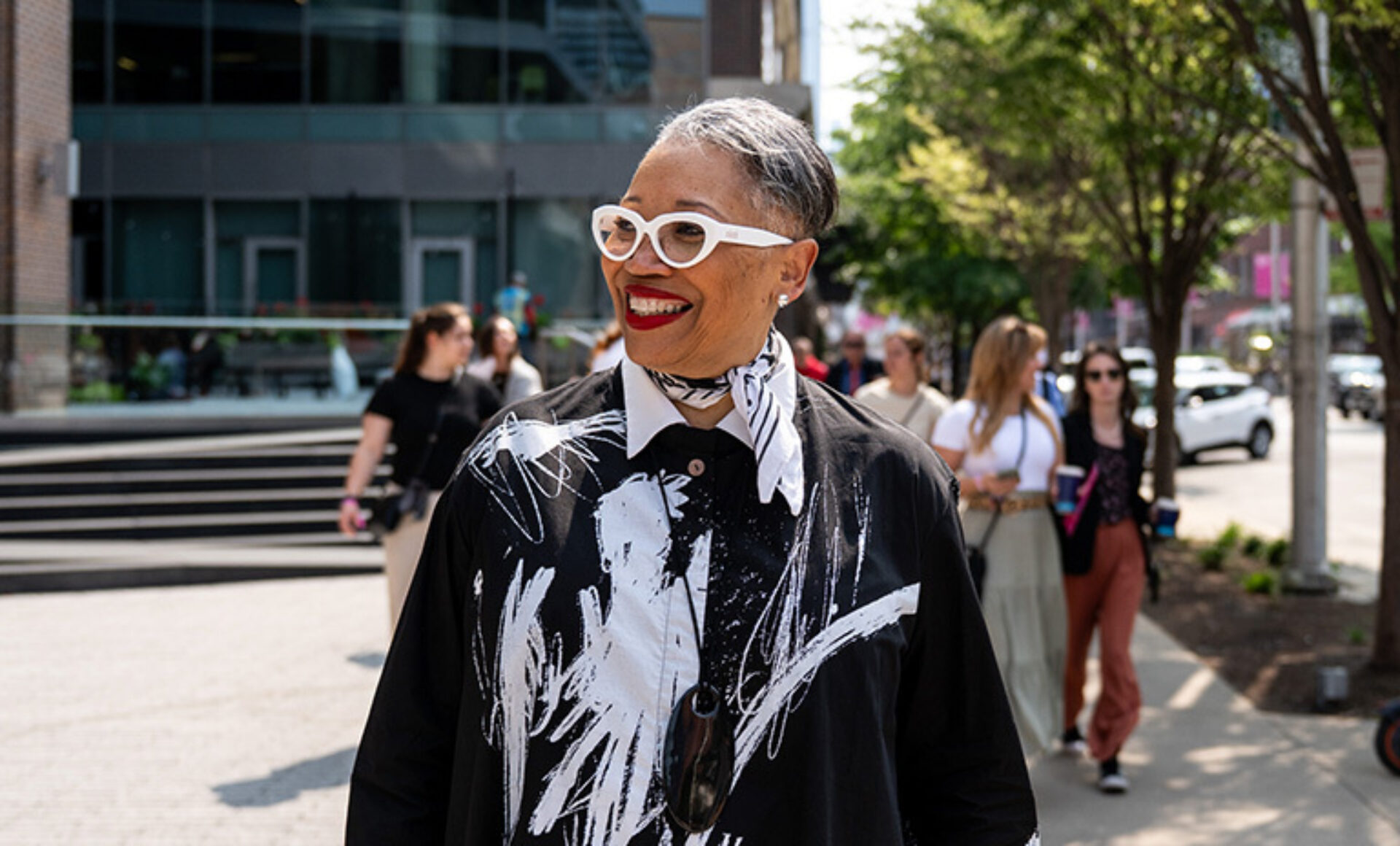
2026 Word of the Year: Kinship
Designers create for what is coming next — they envision a future that includes warmth, welcome and positive outcomes for all -
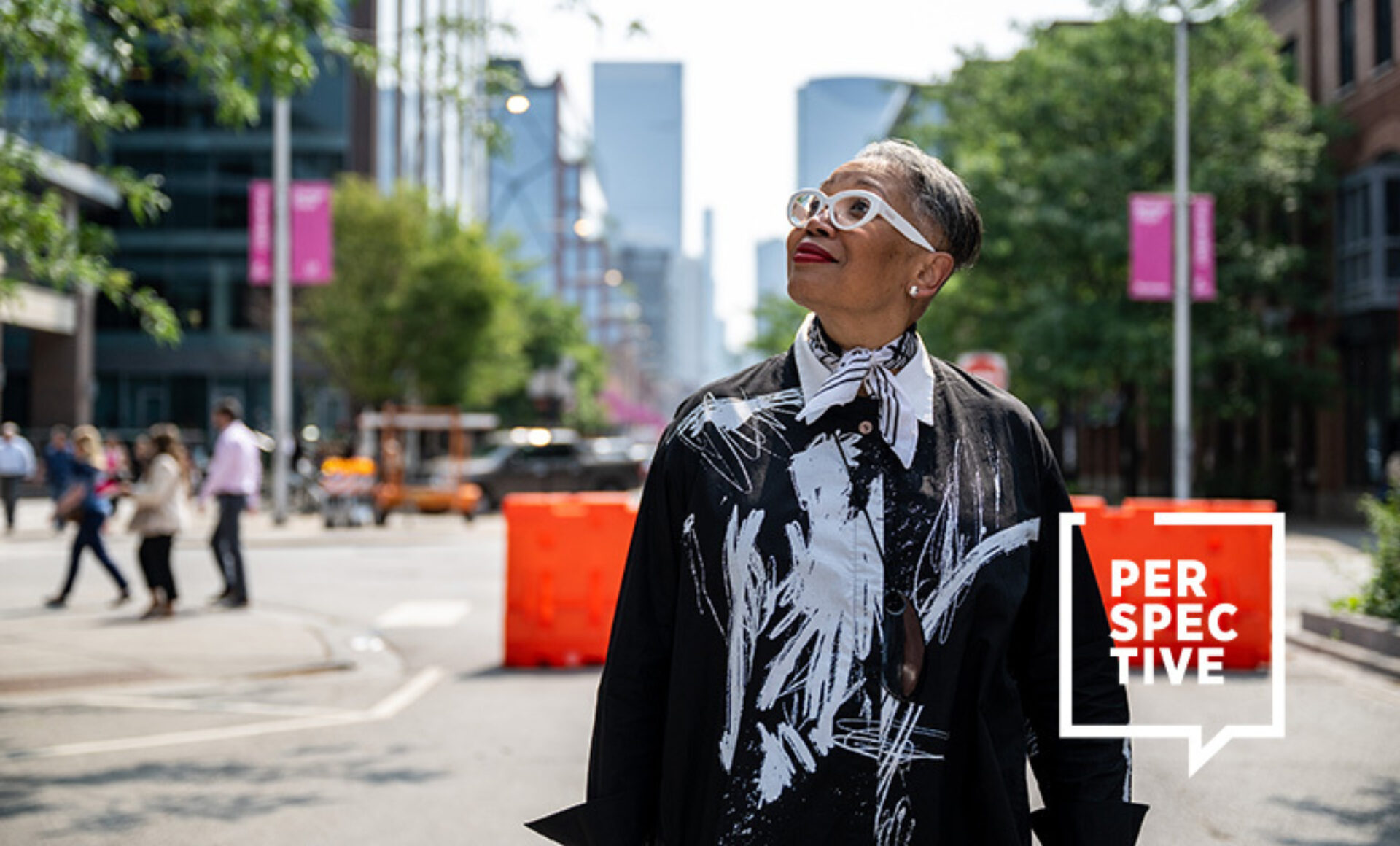
How Cheryl Durst Gets Chicago Design Week Done
A ‘Day in the Life’ with IIDA’s Executive Vice President and CEO during NeoCon and Design Days -
Radical Adaptation with Stacey Crumbaker
‘Together, we don’t just design spaces, we design futures,’ Crumbaker says