
(Above image: Utah State Capitol building. Photo by Urvish Oza)
Utah and Idaho have advanced legislation that strengthens and modernizes the interior design profession, reinvigorating the national trend to recognize the role of qualified interior designers in protecting public health, safety, and welfare. IIDA’s Jessica Jones sits down with IIDA's Senior Director of Advocacy, Marci Merola to discuss these wins, and what’s next for advocacy.
Jessica Jones (JJ): Tell us about Utah’s recent victory.
Marci Merola (MM): Absolutely! On March 19 of this year, Utah became the first state to pass interior design legislation! Senate Bill 286 updates the scope of practice for qualified interior designers in the state, building on legislation passed in 2016. The bill removes outdated limitations related to occupancy groups and wall heights, along with making key technical updates and clarifications. It will go into effect on May 6, 2026.
The bill was sponsored by Senator Luz Escamilla, who also led Utah’s initial legislation in 2016. The Utah advocacy team [comprising both IIDA Intermountain and ASID Intermountain, as the Consortium for Interior Design-Utah] reengaged the same lobbyist from that effort, Amy Coombs of Prestige Government Relations and Consulting Group. The strategy of hiring the same duo to move this legislation forward really worked.
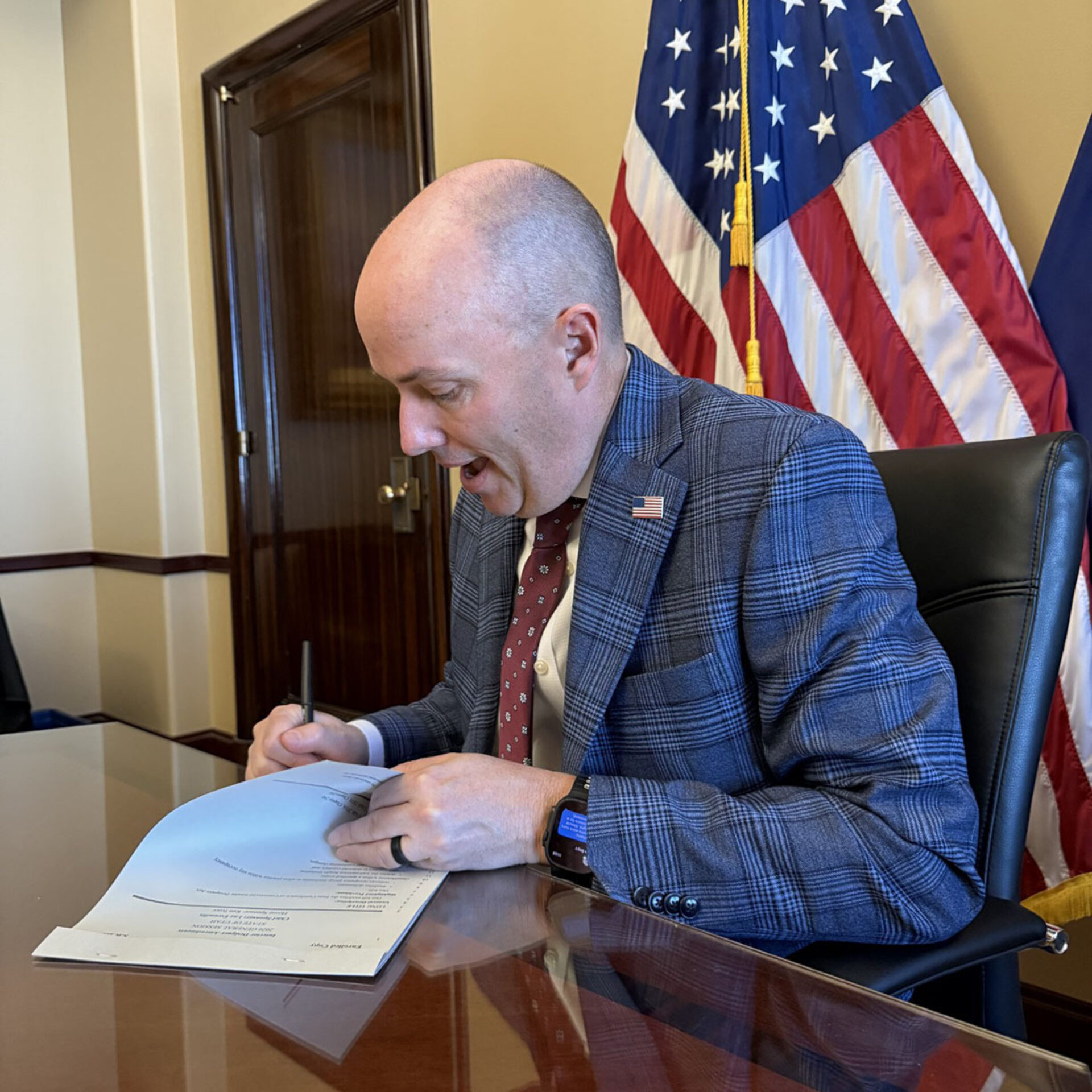
Image courtesy of Amy Coombs, State Certified Clinical Supervisor
JJ: It sounds like a lot was riding on this win. Can you explain that?
MM: Interestingly, a surprising number of legislators in neighboring states were looking to Utah’s 2016 legislation – and its limitations – as the model for their own states. However, newer legislation, starting in 2021, is optimal and created much of the basis for CIDQ’s Model Legislation. That’s why my Consortium for Interior Design partners, as well as the Utah advocacy team, were acutely aware of just how important Utah’s success really was.
JJ: And just days later, Idaho passed its legislation. Tell us how that came about.
MM: I am happy to share that 11 days after Utah’s success, Idaho became the 30th state (and 32nd U.S. jurisdiction, including Puerto Rico and Washington, D.C.) to pass legislation for the interior design profession. House Bill 790 was passed by the Idaho Legislature and signed into law by Governor Brad Little on March 30, 2026. What was remarkable about Idaho is that this legislation passed in its first year, a rare occurrence.
This legislation establishes a voluntary title act for qualified interior designers, creating a protected designation and registry for NCIDQ-certified professionals. Qualified interior designers in the state will soon be able to independently practice within a defined scope and to stamp and seal construction documents for permitting. In addition, the Idaho Board of Architects and Landscape Architects will be the regulatory body representing qualified interior designers.
Katie Edwards, VP of Advocacy for IIDA Northern Pacific
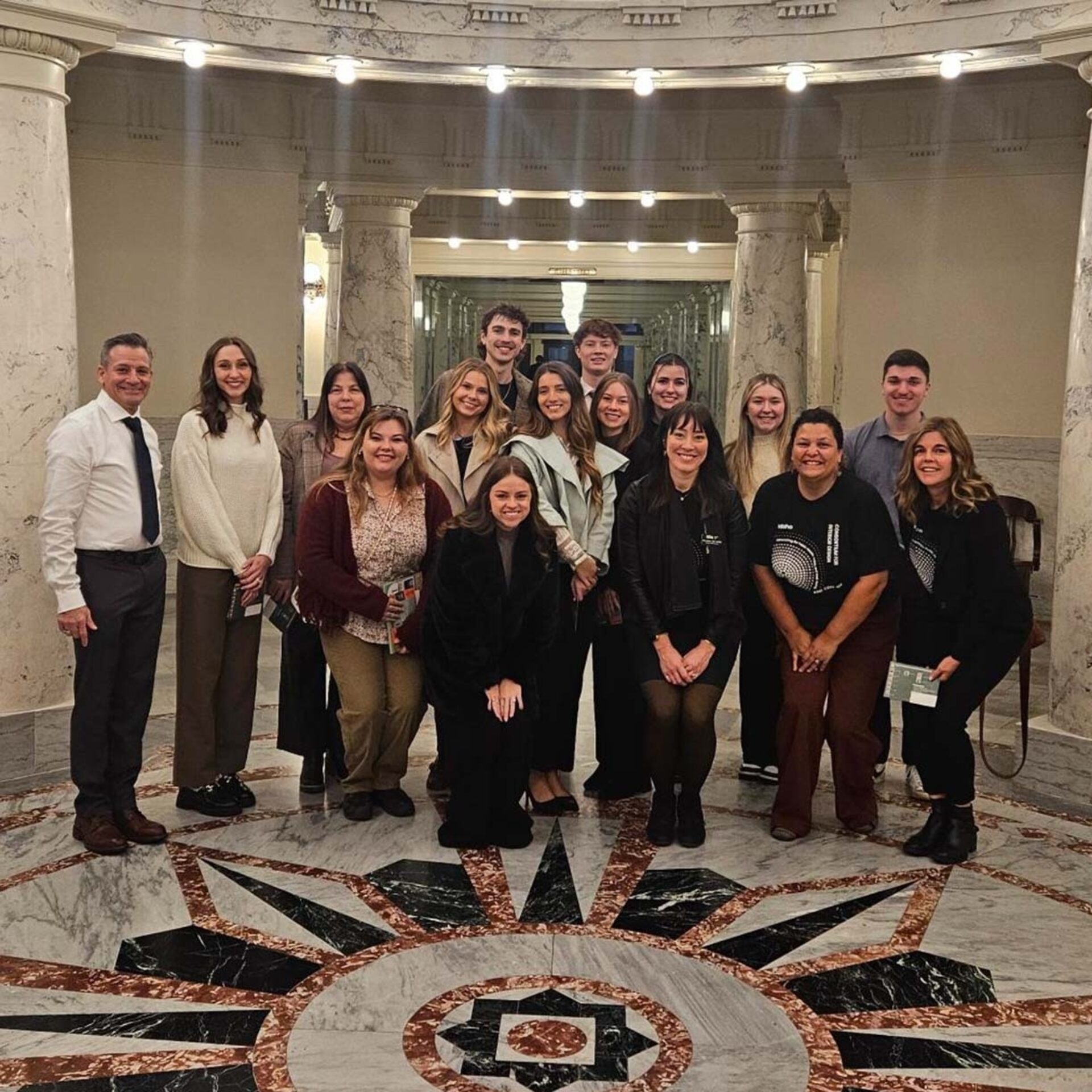
Image courtesy of Katie Edwards, VP of Advocacy, IIDA Northern Pacific
JJ: What makes both of these legislative gains so significant?
MM: These wins are especially sweet because there were no obvious legislative gains in 2025 – there were no changes to the map. But also, there were no negative changes to the map. We did not lose any legislated jurisdictions, despite deregulation efforts that creeped up. Advocates in Florida and Nevada fought hard and successfully defeated deregulation attempts in their states. 2025 was clearly a year of defending our legislation.
JJ: Are we over the deregulation hump?
MM: This year, Florida and Utah successfully warded off deregulation attempts, and we hope that Tennessee is not far behind. I think deregulation attempts will always be a reality for any profession within the occupational licensing professions. In every instance, it reveals how important it is to continually educate decision makers about the role that qualified interior designers play in protecting public health, safety, and well-being.
JJ: Do you think 2026 will be a strong year for passing legislation? Which state do you think is next?
MM: Of course, I am hopeful that Utah and Idaho are indicative of a positive trend this year, but the truth is that anything can happen in a legislative session. I could speculate on which state is next, but there’s no way of knowing.
I do know that we are better positioned than ever before. The Consortium for Interior Design has been helping facilitate better unity among professional organizations. There is growing awareness of our value and specialized role among allied professions. CIDQ’s Model Legislation is providing a gold standard of legislative language that has been successful in a growing number of states. And most importantly, we have amazing leaders at the state level: our VPs of Advocacy and their teams are smart, strong, and ready to succeed.
Related Articles
-

Grassroots Victories Defeat Deregulation
As we fight a recent wave of deregulation in the industry, it’s more important than ever to support IIDA Advocacy efforts in your state -

Advocacy Works: July 2026
Strategy, collaboration, and sustained engagement continue to move the interior design profession forward -
Advocacy Works: April 2026
IIDA advocacy leaders continue to gain significant legislative momentum that will strengthen the profession’s recognition nationwide. Take a look at their latest achievements. -

Member Spotlight: Kendra Shea
The podcast host and designer makes design and advocacy work approachable and essential -
Advocacy Works: December 2025
IIDA advocacy leaders impart a clear vision for the future of our industry—find out what we’ve been up to across the country -
Advocacy Works: July 2025
From state to state, IIDA members are engaging in and reflecting on the importance of advocacy in their personal and professional lives