

This article is part of an ongoing profile series spotlighting IIDA industry members.
Meet Dax Pettibone, product designer at 3form.
1. What core values are most important to you as a leader, and how do you ensure they're embedded in the company culture?
Core values that matter most to me are intentionality, craftsmanship, and execution. I believe that great design doesn’t happen by accident; it is the result of deliberate decisions made at every level, from concept to execution. I try to model that by being thoughtful in my own work and taking the time to play devil’s advocate throughout the entire design process. Craftsmanship is equally important. Whether it’s a physical product or a digital experience, details matter. I encourage individuals to take pride in the small things, because details aren’t just details; details are design work. Execution ties it all together. Surround yourself with people who are capable and eager to execute their share of work. Trust that your team has the skills to do the work and proceed accordingly.

2. Can you share a pivotal moment for you in your career?
I think one of the most pivotal changes in my design career was when I came to understand that creativity isn’t the unsheltered use of free will, but rather the intentional exploration of what is possible within a somewhat rigid set of constraints. This helped me define for myself what I believe the difference is between art and design. While I view art and design as two different crafts, I have found that there can, and in my opinion almost certainly should, be some overlap between the two. With this mindset, I am better able to enjoy the work that I do as a bit of an art, and the things that I make, as executions of creative thinking. With this mindset work hardly seems like work and every day is just another day to be creative.
3. What is the legacy you hope to leave?
The legacy I hope to leave is one of creating products that people genuinely connect with, meaning objects that feel considered, useful, and quietly meaningful in everyday life. When an object I’ve designed can quietly become part of someone’s daily rituals, I feel accomplished. If my work can help shift expectations, even slightly, toward better design, higher quality, and more intentional consumption, that is meaningful to me. Ultimately, I want the things I create to feel like they belong in people’s lives for a long time, not just as trends, but as lasting objects.
4. What big goal have you or (company name) set for the next 3-5 years?
One of my biggest goals over the next 3–5 years is to help 3form leverage additive manufacturing as a sustainable and cost-effective manufacturing process. While 3D printing has been commonly accepted as a prototyping tool, I believe it has become and is constantly improving as a viable production method. The goal is to create products that leverage the strengths that come with 3D printing technology but also scratch the itch for what people need and want. By doing so, I believe we can create a portfolio of standardized products that feel highly customizable, that are made from high quality materials and don’t take long to manufacture.
5. What’s one big inspiration — or passion — that you think everyone should know about?
I keep a running list in my phone of objects that I find particularly interesting, with the goal of someday building an “object gallery” in my personal studio. I’m drawn to objects that carry deeper stories whether it be through their manufacturing process, design details, or the context in which they were created. Some of the items on my list include: a stick of Japanese calligraphy ink, valued for its painstaking and time-intensive production method; the collection of Dutch gulden banknotes, designed by Ootje Oxenaar, whose graphic design work redefined how money can represent a country; and the Teenage Engineering EP-133 KO II, which I admire for its expressive form and delightfully engaging user interface. To me, collecting these objects isn’t about ownership, it’s about building a personal archive of ideas, values, and detailed craftsmanship that continually inspire me to be more thoughtful and intentional in my own design work.
Dax Pettibone is a product designer with a passion for creating thoughtful, well-crafted objects that blend simplicity with utility and beauty. With a background in industrial design, he specializes in developing modern, minimalist products that elevate everyday experiences. His work often explores modularity, material expression, and the intersection of digital fabrication with physical needs. Pettibone approaches design as both a technical discipline as well as an artistic avenue, striving to create objects that feel intentional, timeless, and desirable, but also leaves room for curiosity and moments when an object can make you wonder “why?” He is interested in manufacturing processes (particularly additive manufacturing) and pushing the boundaries of vanguard technologies. Outside of work, he enjoys weekend projects, learning just a little bit about everything, and spending time with his family.
Related Articles
-

Design Leaders: Kari Lemon of USG Ceilings
"Ultimately, I want my legacy to be one of partnership," says Lemon -

Design Leaders: Taewoo Kim of Wilsonart
“Innovation is not created by design alone — it happens when design and technical expertise come together," says Taewoo Kim -

Urquiola, Jongerius, Devlin: 3 Can’t-Miss Exhibits
These living legends are giants in the industry — and each has exhibits open this year honoring their careers -
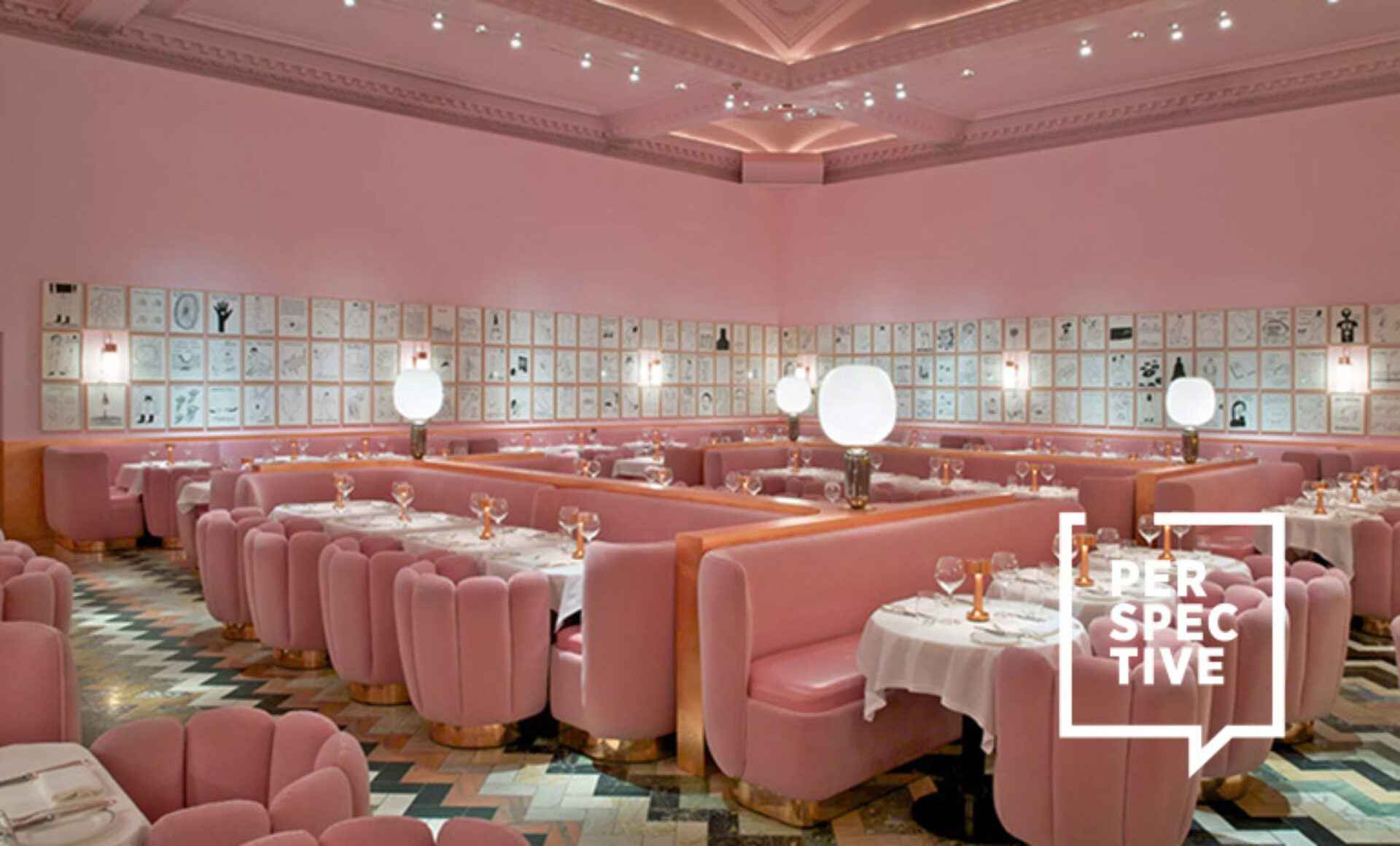
5 Iconic Spaces from India Mahdavi
From a much-Instagrammed restaurant in London to an alpine retreat in the French Alps, India Mahdavi’s interiors transform space into story -

Color and Joy with Tekla Severin
The Swedish designer and colorist explains how to draw upon color to generate joy -

How to Design — and Live — Joyfully
Milan-based designer Serena Confalonieri reflects on how she brings joy, vibrancy, and energy to her professional and personal life