
This article is part of an ongoing profile series spotlighting IIDA industry members.
Meet Jay Henry, Senior Director, Sustainability & Innovation at Tarkett
What core values are most important to you as a leader, and how do you ensure they are embedded in the company culture?
The core values most important to me as a leader are integrity, inclusive leadership, and clear expectations. These values have been shaped over more than three decades of working with both great leaders and not-so-great leaders, and seeing firsthand how much leadership style impacts a team’s trust, performance, and sense of belonging. In many ways, leadership is like good design: it has to be intentional, useful, and centered on people. Integrity is the foundation because people need to know their leaders will do what they say, make fair decisions, and own mistakes. Inclusive leadership matters because better ideas come when different perspectives are welcomed. Clear expectations are equally important because teams do their best work when they understand the goals, their roles, and what success looks like. At Tarkett, my team doesn’t just hear me talk about these principles. I work hard to lead by example and make them part of how we communicate, collaborate, and hold ourselves accountable.

Meet Jay Henry, Senior Director, Sustainability & Innovation at Tarkett
Can you share a pivotal moment for you in your career?
A pivotal moment in my career came about five years in, when I was promoted to director of a plant with more than 700 employees. I remember feeling the full weight of that responsibility almost immediately. It was no longer just about my own performance or career path. It was about the people in that plant, their families, and their livelihoods. The executive who put me in that role was also the first leader I had worked with who was truly clear about expectations. He made it very plain what the role required, but the guidance that stayed with me most was this: building and nurturing positive relationships would be what made or broke me as a leader. That changed how I viewed leadership. Whether you are designing a product, a process, or a culture, relationships determine whether it works in the real world. Today, that lesson is the basis for everything I do.
What is the legacy you and Tarkett hope to leave?
For me, the legacy I hope to leave is that I impacted people in a way that made them better for knowing me. Whether through leadership, support, accountability, or encouragement, I want people to feel that I helped them grow and recognize what they were capable of. I believe Tarkett’s desired legacy is very similar. We want to make life better for the people who make our products, the designers and customers who specify and use them, and the communities where those products live. Flooring is part of the built environment, and those spaces shape how people move, gather, learn, work, heal and feel. That gives us a responsibility to create products with purpose, treat people with respect, and care for the planet as the precious, finite resource it is. Just as important, it means doing all of that in a way that reflects who we are: committed, caring, collaborative, and creative. A meaningful legacy is not only what we achieve, but how thoughtfully and responsibly we create it.
What big goal have you or Tarkett set for the next 3-5 years?
Over the next several years, Tarkett’s biggest goals are centered on sustainability and the role we play in building and protecting our future. We have committed to reducing our carbon footprint by 30% from a 2019 baseline by 2030, and to increasing recycled content across our product lines to 30% by 2030. These are ambitious goals, but they reflect the reality that the game must change. We have to find ways to deliver more with less and continue challenging ourselves to design, manufacture, and operate more responsibly. Sustainability cannot be something added at the end of the process. It has to be built into how we think, design, source, make, and measure success. These goals are not just sustainability targets. They are part of how we define progress, leadership, and long-term impact.
What’s one big inspiration — or passion — that you think everyone should know about (this can be another designer, book, podcast, artist, hobby, ritual etc.)?
I know this sounds simple, but after more than three decades in leadership, I’ve learned that the most meaningful lessons rarely come from a single book, podcast, or speaker. They come from watching people: great leaders, frontline employees, mentors, peers, designers, customers, and even those who taught me what not to do. I’m inspired by people who show up with integrity, care about others, solve hard problems, and make the people around them better. In design, the best solutions often begin with listening and observing. I think leadership is the same way. You have to stay curious about people: what motivates them, what challenges them, and how the work affects their lives. Everyone should know that leadership, at its best, is deeply human. The more we listen and build real relationships, the better our decisions, products and cultures become.
Jay Henry is a senior innovation, sustainability and operations leader with more than 30 years of experience driving growth and leadership in the flooring industry. He specializes in aligning strategy, product development, and operations to deliver customer-focused solutions that perform better, last longer, and reduce environmental impact. He believes innovation is how businesses grow — and sustainability is how they do it right. Henry has led large, cross-functional teams spanning manufacturing, engineering, R&D, supply chain, and sustainability, consistently translating strategy into business results. He holds a bachelor’s degree from the Terry College of Business at University of Georgia and has served on multiple boards supporting education, sustainability, and innovation leadership.
Related Articles
-

Design Leaders: Joseph White of MillerKnoll
"Finding ways to make the most of what’s on hand brings me a profound sense of purpose, satisfaction, and even joy" -

Design Leaders: Joey Giovannetti of KI
"I realized is that the part of design I loved most was never just the spaces themselves. It was the people." -
Design Leaders: Kari Lemon of USG Ceilings
"Ultimately, I want my legacy to be one of partnership," says Lemon -

Urquiola, Jongerius, Devlin: 3 Can’t-Miss Exhibits
These living legends are giants in the industry — and each has exhibits open this year honoring their careers -
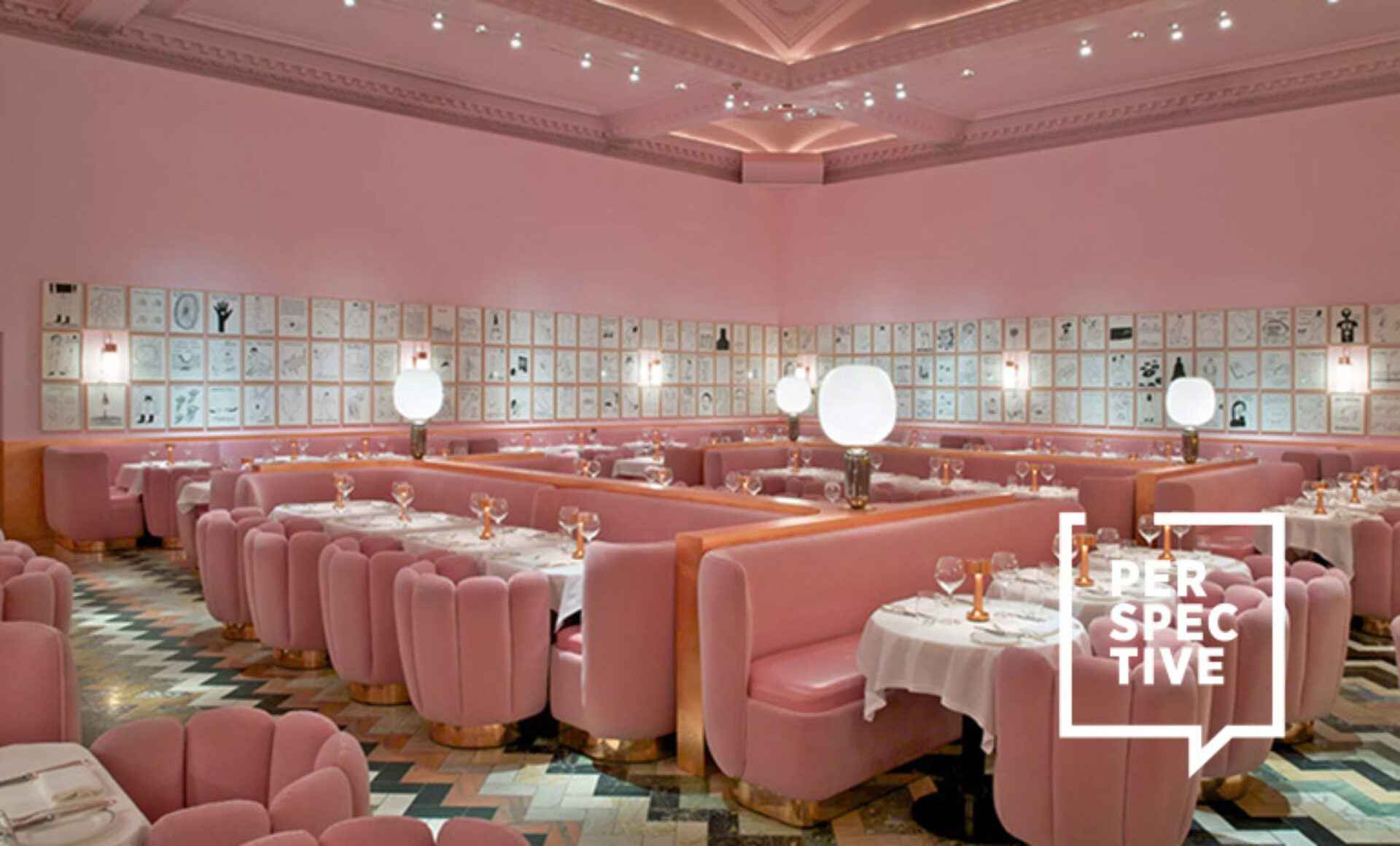
5 Iconic Spaces from India Mahdavi
From a much-Instagrammed restaurant in London to an alpine retreat in the French Alps, India Mahdavi’s interiors transform space into story -

Color and Joy with Tekla Severin
The Swedish designer and colorist explains how to draw upon color to generate joy