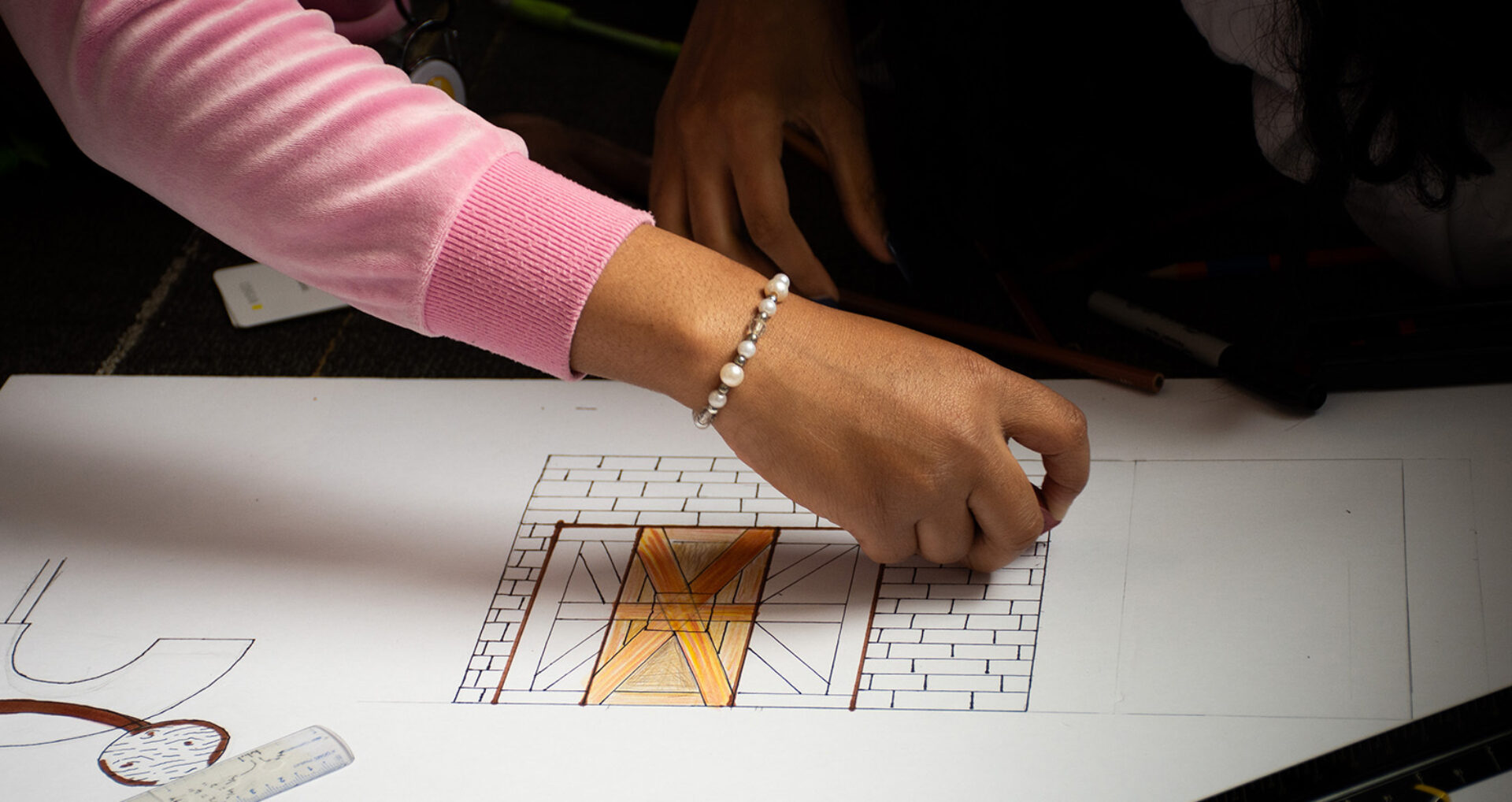
In the scheme of things, two weeks is a very short window of time. But even a brief period of learning can offer lifelong lessons. IIDA’s Design Your World (DYW) program is an educational pathway to the possibilities of a career in design. Created to help build equity and diversity in the industry, DYW provides high school students with tools, knowledge, and hands-on experience that show them what it’s like to work as a designer in the real world. From mentorship to field trips to compensation (DYW students earn a stipend for their design work), DYW grants students exposure to the commercial design industry and helps prepare them to create their own career path.
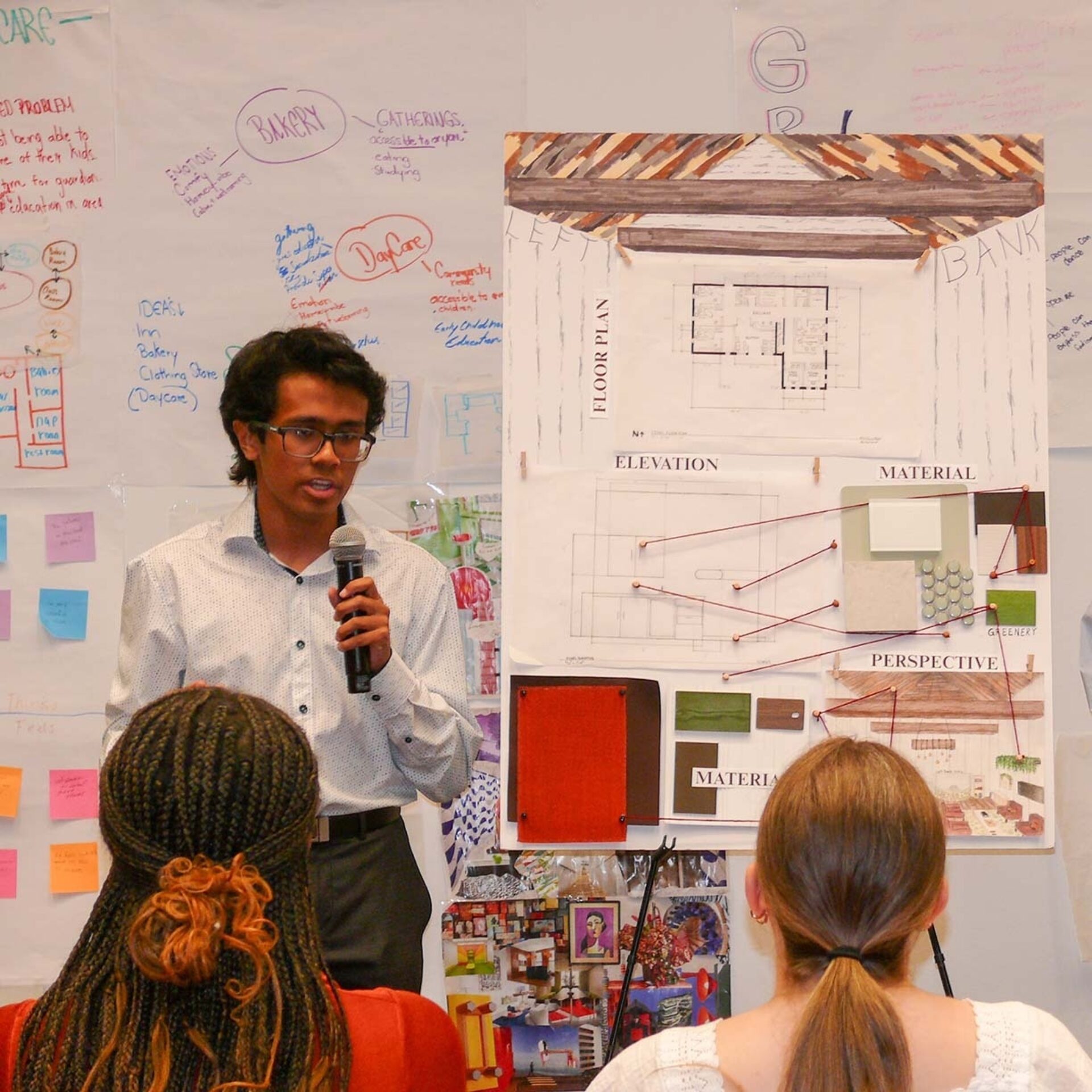
We talked with two DYW alumni, Nikhil Gurow, a freshman studying architecture at the University of Texas at Austin, and Taylor Smith, a sophomore studying interior architecture and marketing at Indiana State University, about how their time as a DYW student prepared them for college and all that lies beyond.
Responses have been lightly edited for length and clarity.

University of Texas at Austin's School of Architecture

Indiana State University
What valuable lessons or tools did you learn during DYW that you still use today?
Nikhil Gurow (NG): I joined IIDA during the summer before college to gain more experience and meet like-minded students before I went off to study architecture full-time. The program gave me insight on a type of project I’ve never really tackled before: restoration projects aimed at benefiting lower-income communities while also preserving the historical value of the building. For our final project, my group chose to remodel a historic carriage house into a health clinic that used the building’s historical use as inspiration for the design. The project involved a lot of compromise, as do many design projects, however this time I was encouraged to research what facilities would most benefit our clients, and to choose a site that would bring the services of our clinic to as many people as possible. Altogether, IIDA taught me a lot about the total amount of research and preparation that goes into designing almost anything, and I’ve carried that insight on planning and research into my first semester of college to great effect.
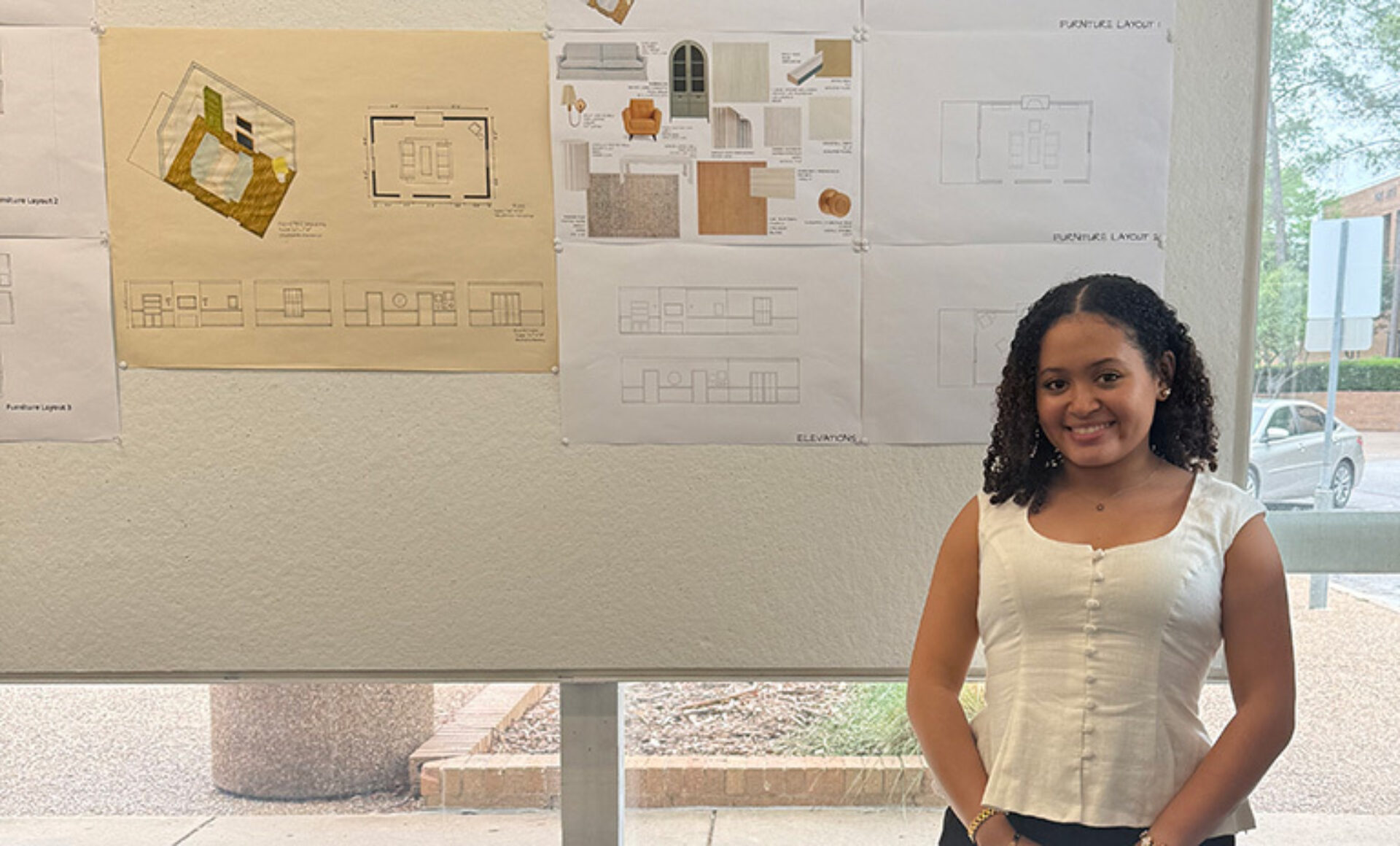
Taylor Smith (TS): One of the most valuable lessons I learned from the Design Your World program is to always project confidence in the designs that you display, and to be open to constructive feedback. Since this field requires a designer to pitch their ideas and be comfortable with presentation, confidence not only intrigues your audience but also creates trust. Constructive feedback should not be viewed negatively; it’s not meant to diminish your efforts. It can expand your mind and open you up to new ideas. It’s a learning tool.
What piece of advice would you give a high school student considering design as a career choice?
NG: Start developing your mind for design. Find what it is that drives you to create, and refine it until you’ve found the way your mind works with design. Developing this skill is crucial, and I would value it far higher than anything else. Architecture, and design, is a very broad field, even a degree in architecture has uses in many more areas than just the construction industry, and as you develop your design mind, you’ll understand where it is that your skills and interests lie. All of the technical skills, like learning Revit or AutoCAD or whatever other program you need in your chosen career, will come with time and experience, and so will all of the networks you build with others. This is not to say that you shouldn’t make connections or learn new techniques until you’ve locked down your career choice, but it is helpful to understand how your mind works and where you can use your skills to benefit everyone, including yourself.
TS: Get a headstart by researching and diving into opportunities that will allow you to express your creativity. Joining programs, classes, or clubs and building collaborative skills can help you discover the areas of design that interest you and will prepare you for what is ahead. The world of design is endless, so stay open-minded about the process and you’ll learn more about yourself along the way.
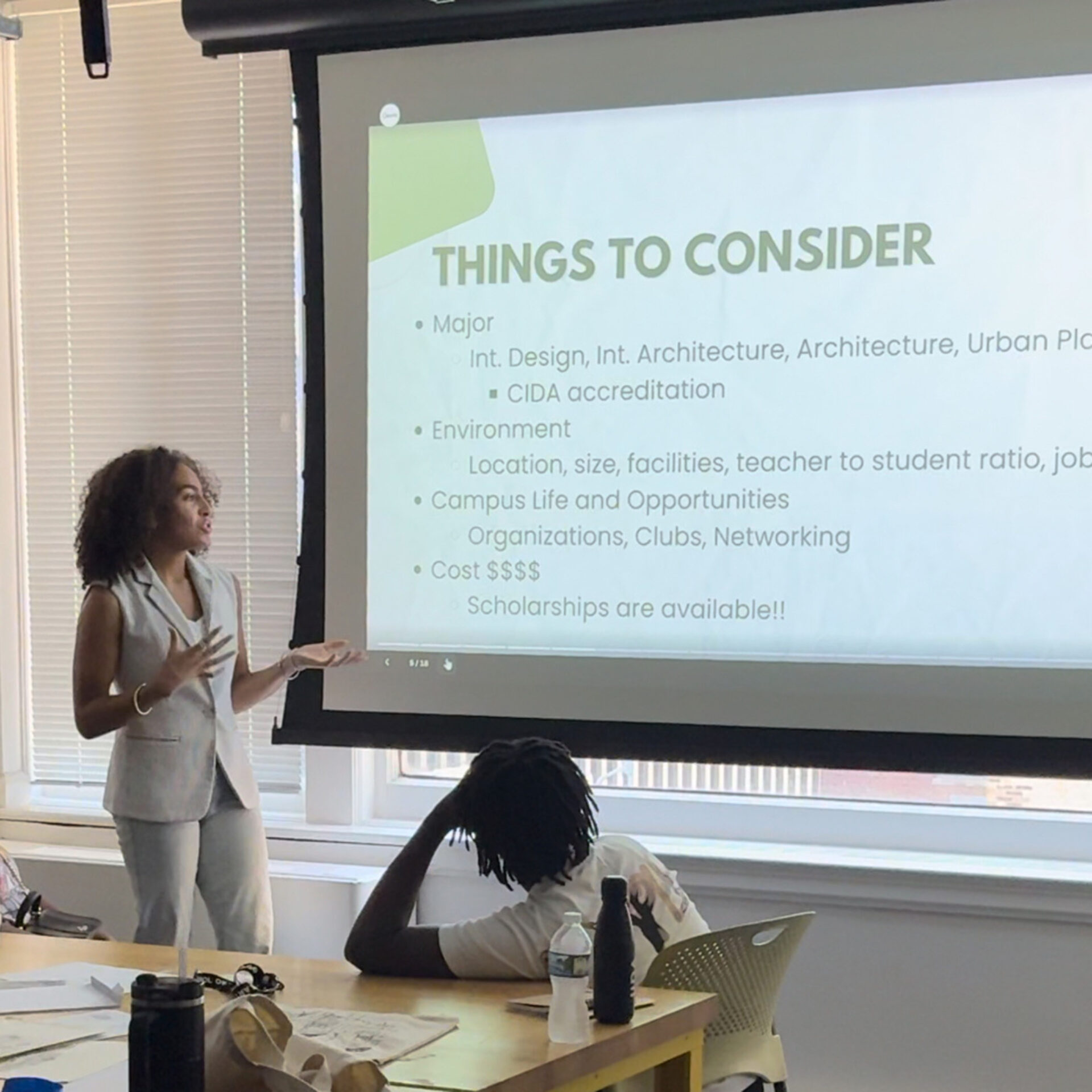
Image courtesy of Taylor Smith
What is your dream design job?
NG: For me, my hope is to become an architect and work with nature-inspired designs and ideas in my career. Even though I have not experienced every type of design project, I find myself drawn to nature, and to nature-inspired design philosophies such as that of German architect Hugo Häring, and as such I’ve been hoping to work with firms that specialize in larger residential projects, art installations, and museums.
TS: My ultimate career goal is to work as an interior architect at my own architecture and real estate firm. I hope to specialize in commercial design and development with the objective of designing inclusive spaces that appeal to community needs. I also want to work in real estate investing by renovating and renting out residential property in communities that lack the resources for standardized “upscale” living.
How are you preparing for your ideal future now?
NG: Currently, I am working on my degree, while at the same time setting my sights outward as well. I’ve talked with a lot of the design faculty, explored and researched firms whose work interests me, and I continue to keep in contact with firms back in Dallas. I also hope to start looking for internships in the future, working towards the hours needed for licensure. Aside from the technical requirements, I’m hoping to use my five years in Austin to keep pushing my own design mind, so that I can bring out the best of my creativity and capabilities when it’s time to start carving out my own career.
TS: To plan for my ideal future, I have been prioritizing networking and taking advantage of the opportunities that are available to me at my university, through IIDA, and by attending events such as NeoCon. I am working on building a quality portfolio to present my projects, asking questions of experienced designers in the field, and constantly searching for new ways I can develop my abilities as a designer. Having the opportunity to be a teaching assistant for the DYW program this past summer also helped me build my leadership skills and further understand how much depth the world of design truly has. Exploring new design areas and pushing myself outside of my comfort zone has positively challenged my thinking and makes me excited about what is ahead.
Related Articles
-
These Students are Paying it Forward
DYW alumni turned teaching assistants give back to the program that changed the trajectory of future -
The Power of a Summer Design Program
Summer’s over, but Design Your World, IIDA’s educational pathway program, delivers impact year-round. Check out this year’s highlights. -

What I Wish I Learned in Design School
What does traditional design education get wrong, what it gets right, and how it can be reshaped to help emerging designers envision a better future -

Three Students on the Power of DYW
Inside the life-changing impact of Design Your World—opening doors, connecting with a diverse design community, and nurturing creativity -

15 Lessons on Design and Mentorship
In this members-only exclusive, Kenzie Leon Perry “completes the sentence” to share lessons on creativity, community, and design -

Want to Create a Signature Style? Ask Kenzie Leon Perry
The Miami designer and educator talks about his trademark approach and shares the essential skills he thinks design students need today