
Want to find some of the most exciting innovations in sustainable design? Materials are where it’s at. Eric Corey Freed, AIA, the principal and director of sustainability at CannonDesign, always has his finger on the pulse of new sustainable products and processes. Whether that’s gravel made from glass waste or harnessing the power of algae, agricultural waste, or mycelium, Freed always keeps an eye out for the healthiest — and most ecologically sound — materials that do the least amount of harm. Where’s the fun in using the same things as always, especially when they aren’t the healthiest choice? Freed recommends 13 new products to check out that he thinks are better for the planet (and also really cool).
BioTwin Hemp-Based Stud
The name says it all — it’s a stud made of hemp, a lower-carbon alternative to using steel studs. “It kind of looks like a stud, kind of, but instead of being metal, it's made of discarded hemp,” Freed says. “It's an agricultural waste product, but you screw into it the way you normally would.”
Front Sustainable Building Materials
Their collection of circular materials includes bricks constructed from at least 60% waste, ceramic tiles made from at least 95% waste, and plastic panels made from 100% recycled PVC waste.
Glavel
It’s gravel made from foamed glass aggregate; a lower-carbon replacement for traditional fill and insulation.“What I love about it is, it is such a simple solution to a very unsexy product,” Freed says. “Instead of using gravel, which has to be mined out of the earth and has a huge carbon impact, this is essentially recycled glass slag [industrial glass waste], that normally would be thrown away. They essentially make it into glass gravel and it drains better than regular gravel, it's lighter than regular gravel, and it makes for better backfill. … To me, to me, it’s a no-brainer.”
Bio-Glass
These circular glass slabs are made from recycled glass — and can then be recycled themselves. They’re versatile, too, suitable for use as countertops, external facades, wallcovering, and floors.
Algenovas Algae Panels
Algae and agricultural waste are married together to create these biocomposite materials, which are low-carbon and formaldehyde-free. “A brilliant, brilliant woman named Helen [Banner] from Caltech first studied as an architect. Then she got into bioengineering. She got her Ph.D. in bioengineering, because … she's brilliant. And at Caltech, she invented this algae-based panel that she calls Algenovas. And now we’re trying to figure out, like, what can we build with this cool algae-based technology? And it turns out there's a lot of cool stuff that we could do,” Freed says. And it’s true; the materials can be used in wall cladding, furniture, packaging, and construction. “Algae is one of the most abundant resources on Earth. Why wouldn’t we build out of it?
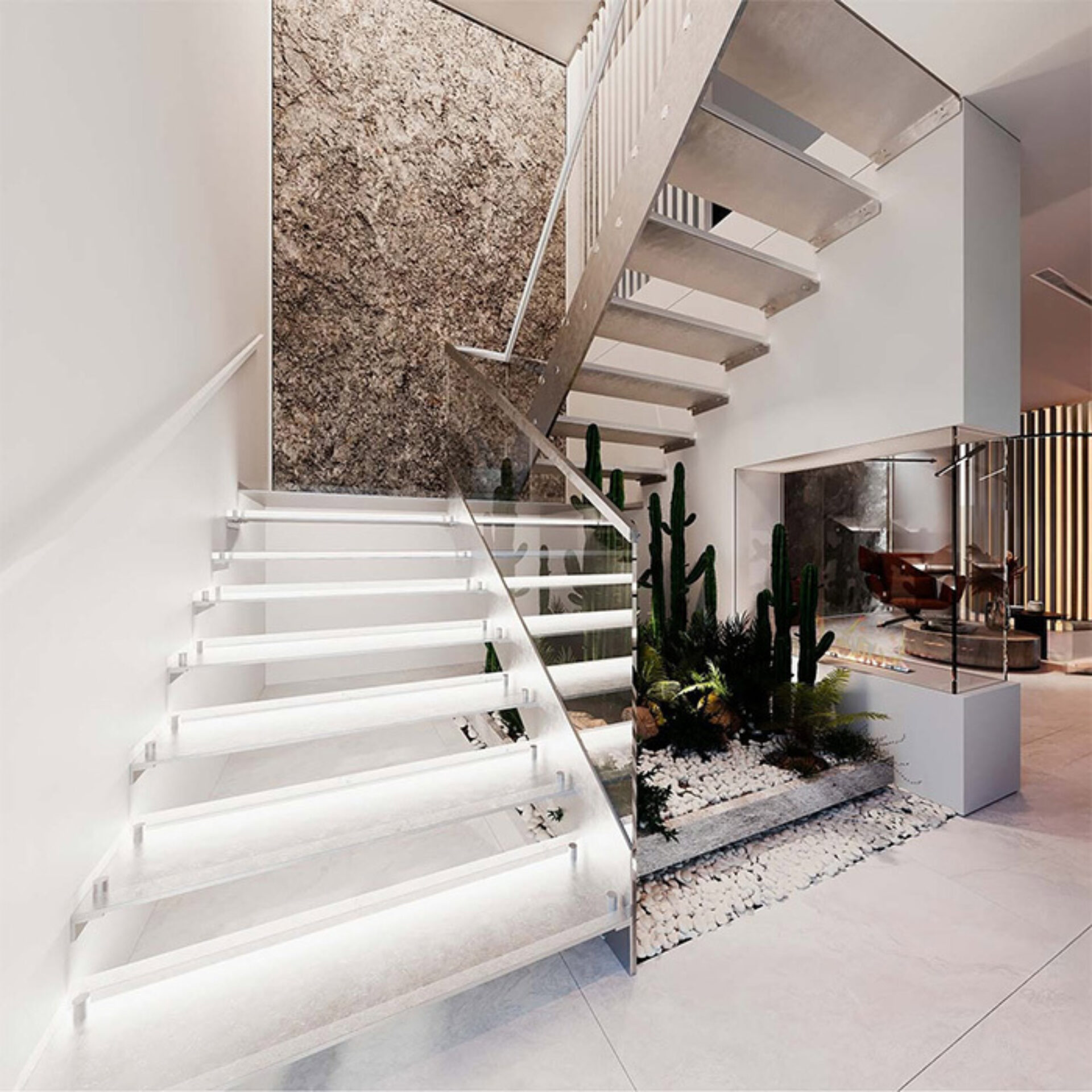
Ekoa by Lingrove
Made from flax and plant resins, this high-performance composite material can be used on walls, ceilings, and millwork, and in product design. According to Freed, it’s “a low-carbon, biophilic, healthy product that is also durable, affordable, and beautiful.”
Anduba Wallcoverings
Stunning and sustainable? These wallcoverings are noteworthy on both fronts. “It's a non-PVC wallcovering and I hate PVC — and you can quote me on that,” Freed says, adding, “The patterns are insanely beautiful.” Anduba works with Indigenous artists from Mexico, Brazil, and America; artists participate in design decisions, retain copyright to their work, and earn above the industry standard. “That’s wallcovering with a story. I sent this around to every interior designer within Cannon, and they were like, falling in love with it. It’s very charming.”
Havwoods’ Treeazzo Wood Flooring Collection
It’s a twist on terrazzo: This product is made from resin mixed with wood chip waste. Crafted with a plywood or fiber cement backing, Treeazzo can be used for furniture and cabinetry, or on floors or walls.
Durra Panel
One hundred percent recyclable and biodegradable, these wall and ceiling panels provide insulation against heat and sound. They’re crafted from reclaimed wheat straw and, Freed says, they happen “to be very strong … you can build a lot of cool stuff with it.”
Impact Acoustic’s Archisonic Mycelium Acoustic Tile
Made from fungal roots and organic waste, these concave acoustic tiles offer sustainability and style.
Pinnacle Paints’ Graphenstone
Made with a lime base, these eco-friendly paints absorb carbon dioxide and help improvide indoor air quality.
Carnegie Xorel
Carnegie offers PVC-free textiles, and their bio-based Xorel fabric has garnered sustainable acclaim — it’s the first textile to earn the Living Product Challenge Certification, and it’s Cradle to Cradle Certified.
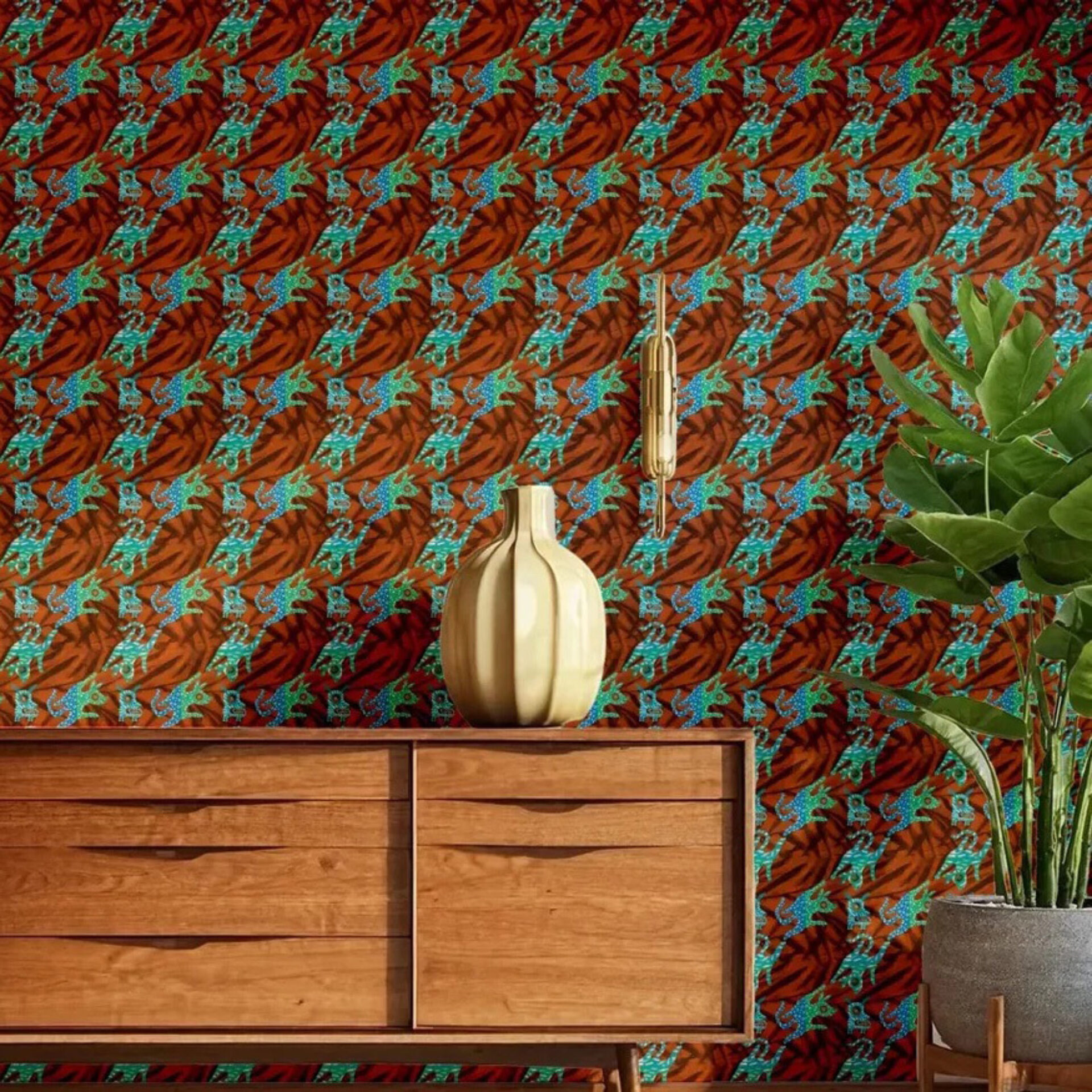
Adora's PVC-free wallcovering also contain no forever chemicals and partners with artists like Cuauhtémoc Wetzka. Image courtesy of Andora
Related Articles
-

Optimism Is This Designer's Secret Weapon
L.A. based design superstar Valery Augustin takes us inside his life as an architect and educator -

Sustainability Superstar Eric Corey Freed
This CannonDesign architect has been described as the “Beyoncé of sustainability" -

Rapid Fire with Yinka Ilori
First instinct, no overthinking: Yinka Ilori takes us inside his Dunelm collection -

Rising Stars: IIDA Members Going Beyond
Get to know designers moving the needle in advocacy, sustainability, mentorship and more -
Perspective: Design Superstars
These design superstars have set themselves apart with their dedication to doing what it takes to make the world wonderful -
We Need More Third Spaces
Three designers talk about their favorite third spaces and share design tips to foster connection