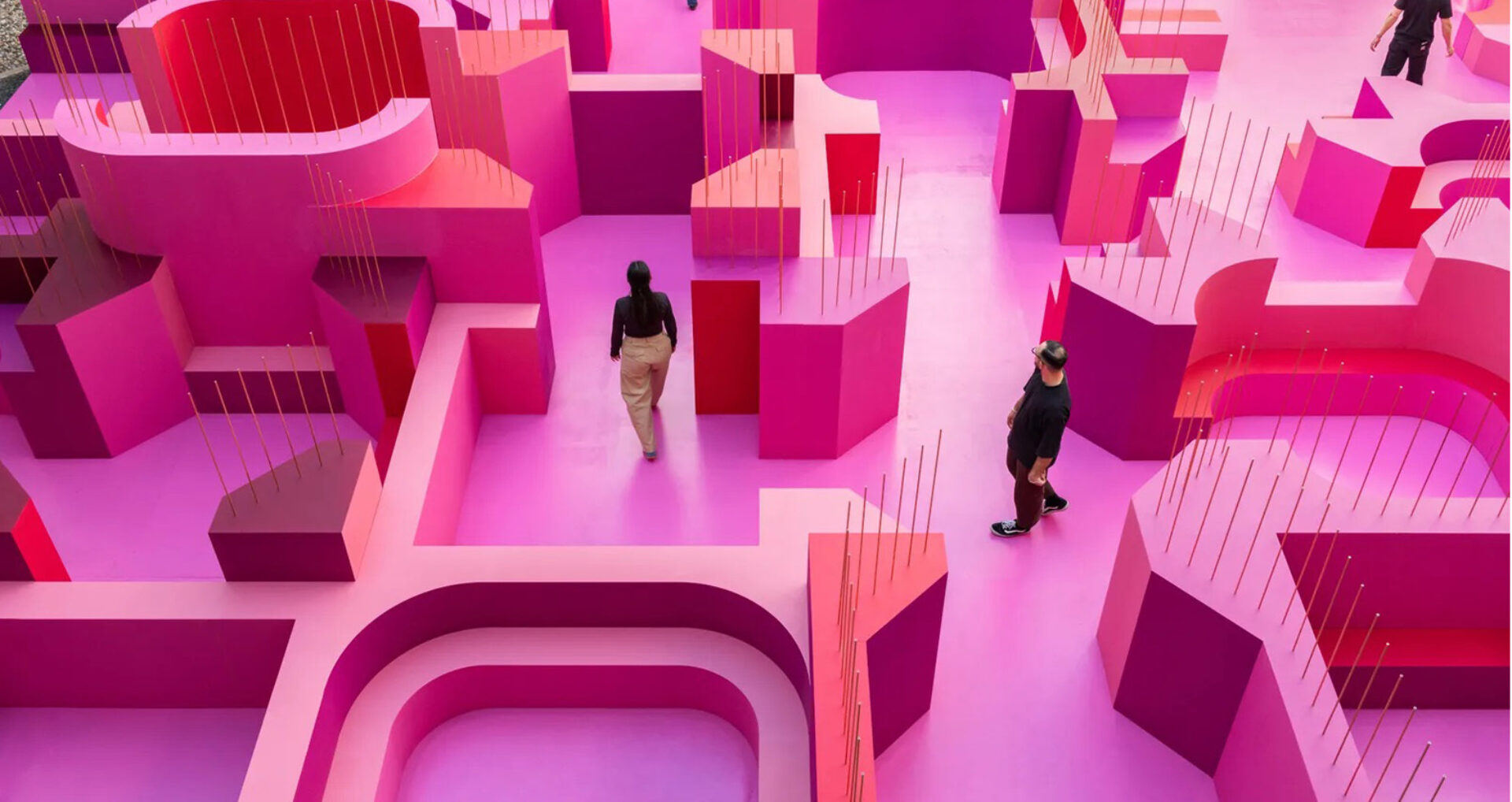

(Lina Ghotmeh's Metamorphosis in Motion. Photo by Nathalie Krag)
Atmosphere, above all. At this year’s Milan Design Week, the strongest presentations were less about objects than the worlds built around them. Interiors unfolded as sequences — shaped by light, material, and movement — guiding how visitors moved through and engaged with them. Set within historic courtyards, adaptive reuse sites, and purpose-built environments, these spaces point to a broader shift toward experience-driven design. The five projects featured here stand out for their clarity and control, offering a snapshot of how today’s interiors are being conceived, composed, and felt.
A Labyrinth of Color, Light and Pause
Set within the courtyard of Palazzo Litta as part of MoscaPartners Variations, architect Lina Ghotmeh — known for her research-driven, materially grounded approach — led visitors through a monochromatic pink landscape. “Conceived as a labyrinth, it invites you to slow down, encouraging moments of encounter, pause, and surprise,” Ghotmeh told Dezeen about her site-specific installation, Metamorphosis in Motion. “Pink hues are often associated with care, empathy, tenderness, all while signalling contemporary boldness.” Walls taper and bend to guide movement, forming a sequence of soft thresholds that create a steady rhythm through the space. Light and color do much of the work. The installation unfolds as a choreographed journey — activating participation without altering the historic structure. The result feels both controlled and open-ended, inviting movement, gathering, and pause, while fostering a closer connection to the surroundings and the site’s past and present.
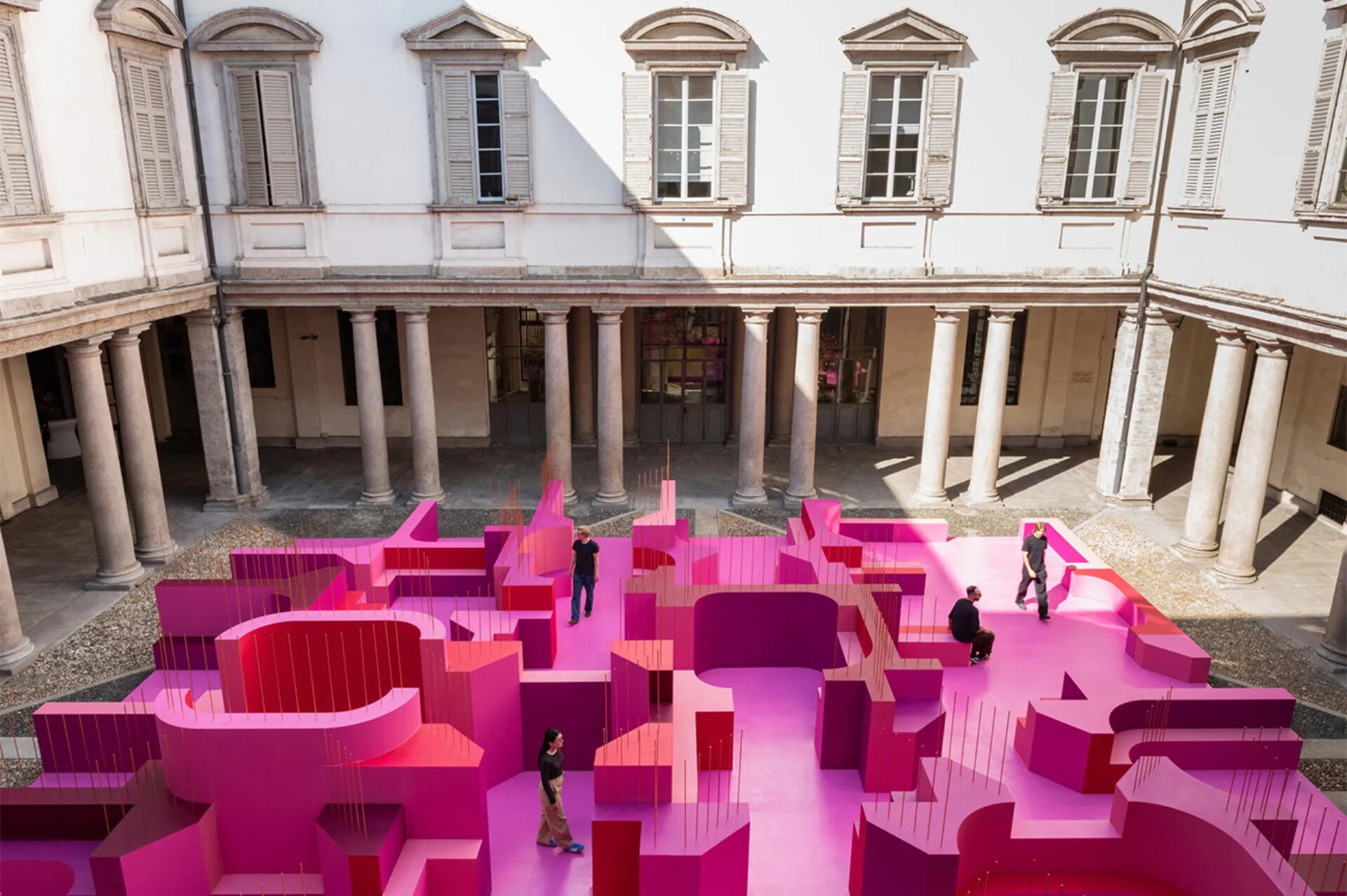
Photo by Nathalie Krag
Checking Into Another Reality
Nilufar transformed its Depot — a massive former silverware factory reimagined by architect Massimiliano Locatelli to reflect the tiered balconies of the La Scala opera — into a cinematic environment. Conceived as a fictional hotel, each space became a distinct world, unfolding across an entryway, hall, dining room, upper floors, and a series of intimate bedroom-like settings. Led by Tehran-born gallerist, collector, and tastemaker Nina Yashar — described by Goop as one of the “queens of the Italian design world” — Nilufar Grand Hotel brought together vintage and contemporary pieces from a multicultural lineup of designers, including Andrea Mancuso, Gal Gaon, and George Nakashima, alongside capsule projects by david/nicolas, Filippo Carandini, and Allegra Hicks. Furniture, lighting, and textiles were integrated into cohesive environments, where material contrasts and layered references created a strong sense of immersion. The result felt both theatrical and precise: each room offered a distinct take on domesticity and hospitality — a reminder that interiors are powerful storytelling devices.

Photo by Alejandro Ramírez Orozco
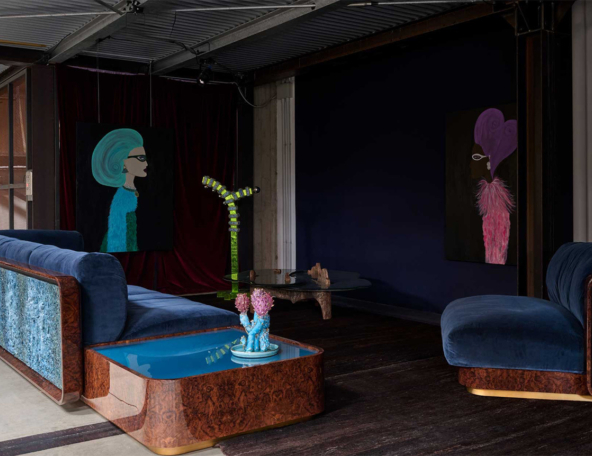
Photo by Filippo Pincolini
Where Objects Hold Time
Chicago-based artist Theaster Gates turned to the Japanese tea bowl, or chawan, as a starting point for an exhibition that centered craft, ritual, and cultural memory. Drawing on traditions of tea-making and collecting, the installation brought together more than 1,000 ceramic works at the Prada Home space, positioning them as carriers of time, labor, and care — at once vessels and archives. “I’m making from a very personal narrative,” Gates told Architectural Digest. “It is one that anchors itself in the Black West Side [of Chicago] and a small town in Japan.” Anchored by a large-scale cabinet designed to house and elevate the collection, the installation transformed storage and display into moments of reflection. Building on Gates’ long-standing engagement with material history, and community, Chawan Cabinet emphasized process and ritual over spectacle. Clay, wood, and metal were used with restraint, allowing the objects and their histories to take focus. The experience unfolded quietly, encouraging a slower pace and closer attention. The result was contemplative — an environment shaped as much by ritual as by design, where objects and the spaces that hold them carry meaning beyond their form.
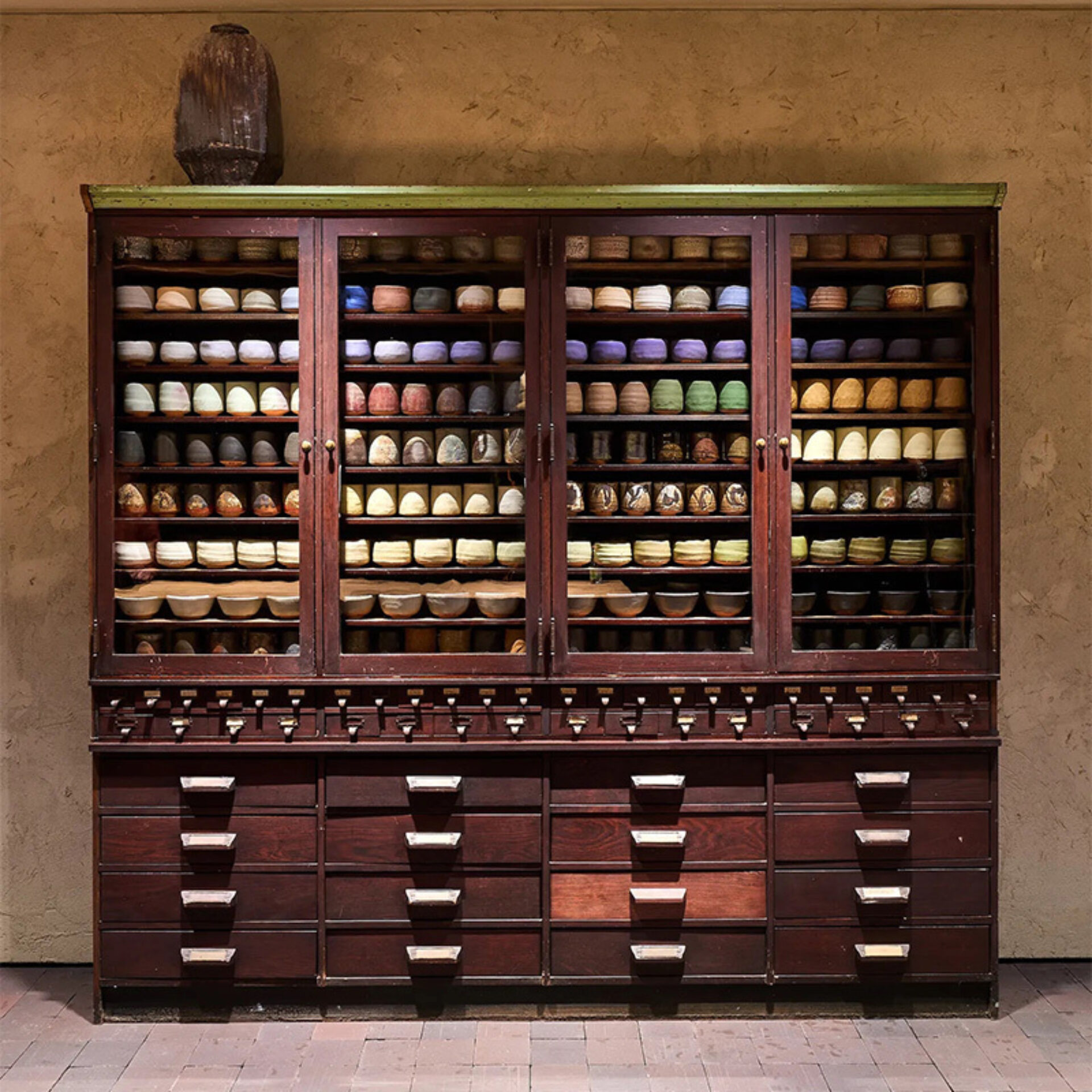
Photo by Empty Space IMG2
Design in the Ruins
Set across a decommissioned military hospital in Baggio and the nearby modernist Villa Pestarini — both rarely open to the public — Alcova’s installation embraced the raw conditions of its sites, from peeling surfaces and exposed infrastructure to overgrown grounds and fragmented interiors. “They are also places that are usually not accessible, and so they have this incredible patina,” Alcova co-founder Valentina Ciuffi told Wallpaper. Rather than concealing these elements, designers built on them. Highlights ranged from Supaform’s sculptural installation within the hospital to presentations by brands including Haworth and Patricia Urquiola for Cassina at Villa Pestarini, alongside rare design pieces such as a previously unseen chair by Franco Albini. Installations moved between minimal insertions and fully immersive environments, each responding directly to the architecture. The project’s strength lies in its emphasis on context: interiors are not neutral containers but active participants, bringing adaptive reuse and site-specificity to the foreground of contemporary spatial practice.
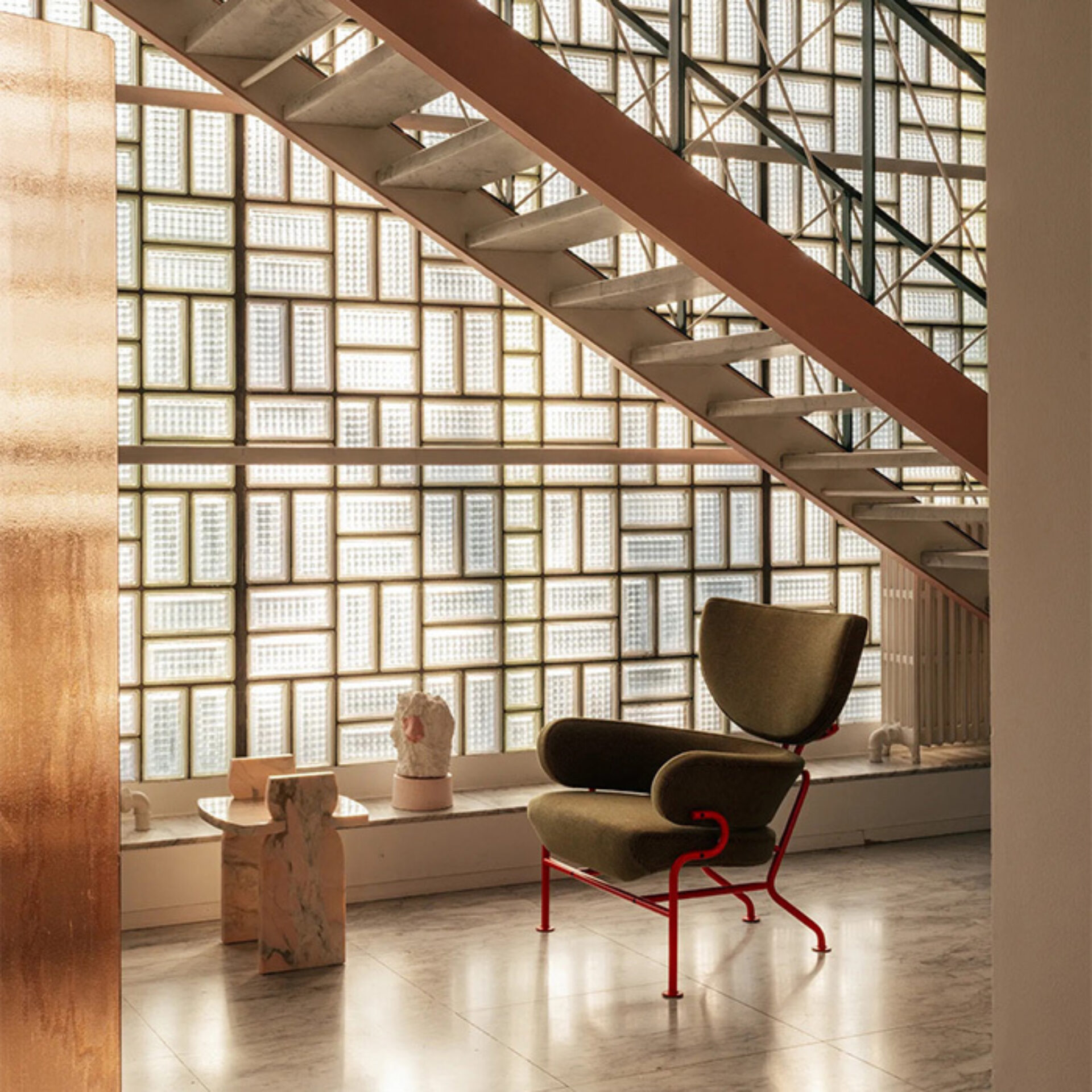
Photo by Piergiorgio Sorgetti
An Environment That Listens Back
At the center of Anima Mundi. A Visionary Impulse, a 1901-built, 4,000-pipe organ — never before played — anchors the installation, translating presence into sound and spatial response. As people move through the Istituto dei Ciechi di Milano, the instrument, augmented by technology, generates evolving compositions shaped by proximity and collective activity, turning the room itself into a responsive system. Conceived by Dotdotdot and presented by Geely Auto, the surrounding environment is calibrated to amplify these interactions, using acoustics, light, and form to create a continuously shifting atmosphere. Floor-to-ceiling, semi-transparent planes introduce a visual layer informed by real-time data, incorporating AI-driven imagery that responds to activity within the space. And as the environment responds in real time — sound, movement, and architecture closely linked — even the smallest shift builds into a collective rhythm shaped by those within.
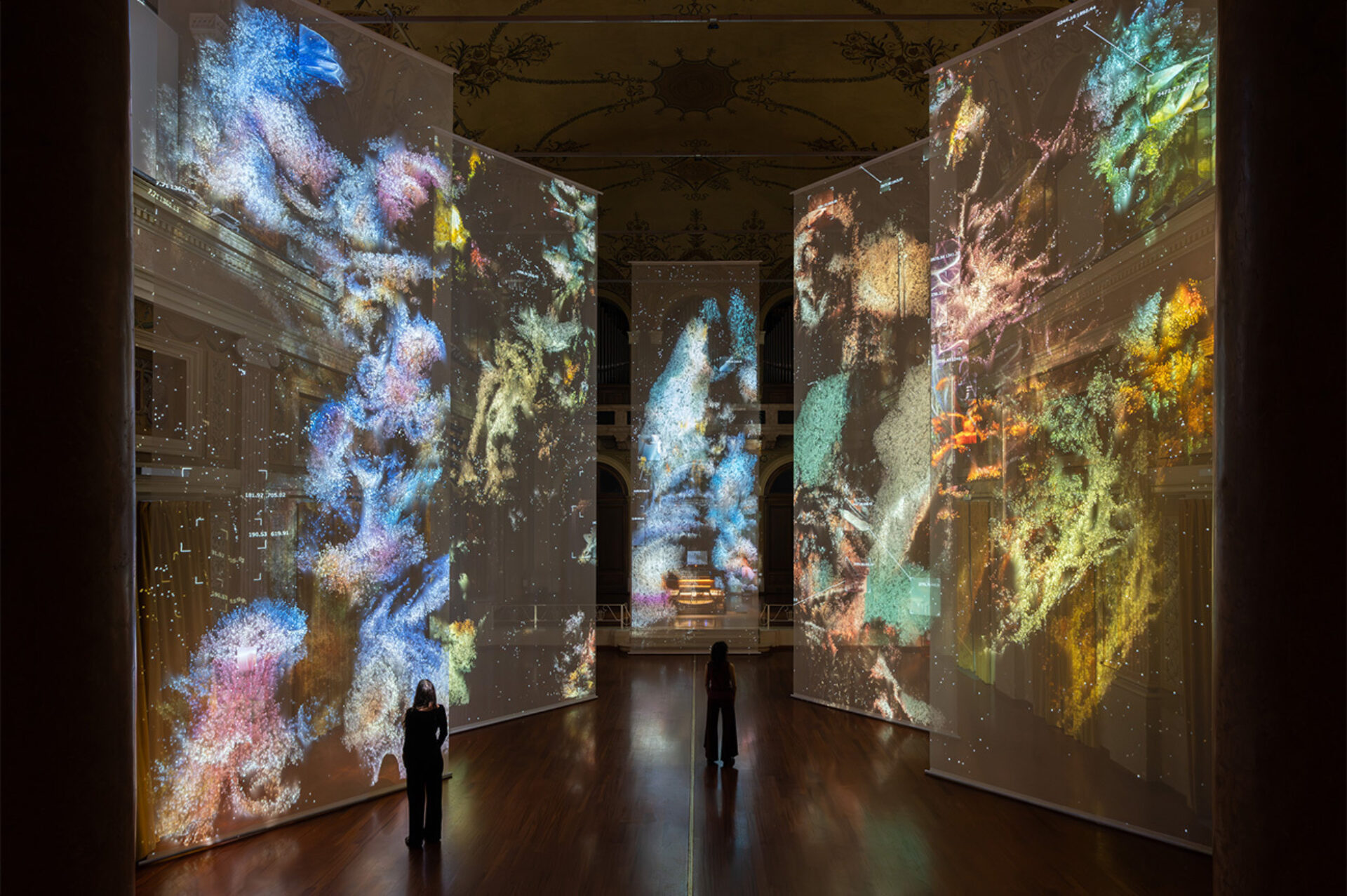
Photo by Lorenzo Palmieri
Related Articles
-
Yinka Ilori on How We Make Memories
For Ilori, color has never been merely decorative. It is an invitation — to gather, to remember, to belong -
3 Shifts Shaping the Future of Education Design
How the next generation of learning spaces can be more responsive, restorative, and flexible -
On Luck, Failure, and Listening Well
Three pieces of advice from design leaders and experts -
A Chapel With a Problem Worth Solving
What do you do to harmonize and bring together old and new? -

It’s Here: The Futures Readiness Index
We explain what the Index is, how it works, and how you can harness it to meet your specific needs and goals -

A Futurist’s Origin Story
How Mark Bryan, IIDA’s chief research and strategy officer, found his way to the future