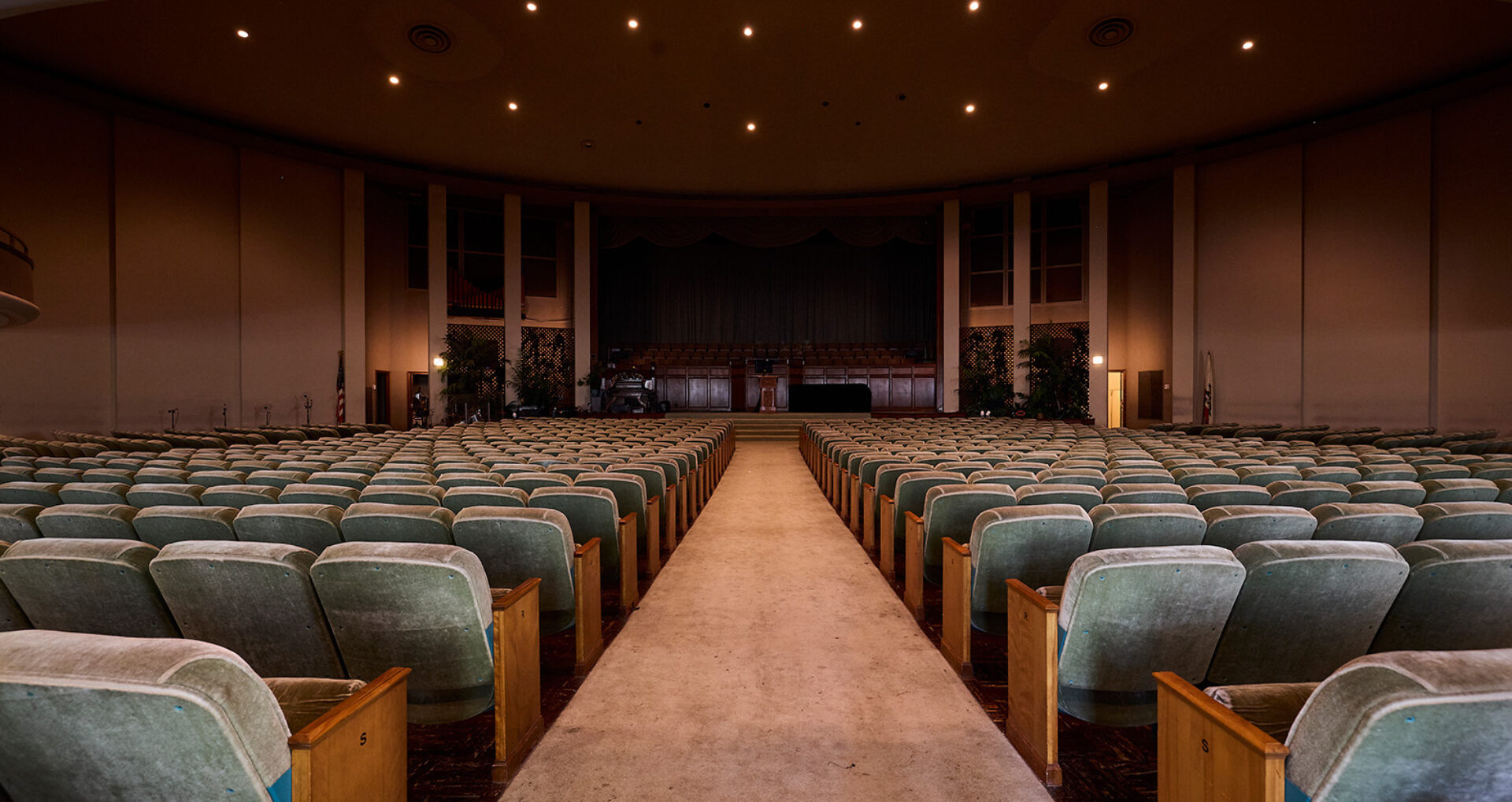
(Above: Founders Church of Religious Science in Los Angeles, California. Photo by Mark Clennon, courtesy of the African American Cultural Heritage Action Fund)
Spaces are physical structures. But places? Places are something you feel. The environments we inhabit, and even those we simply visit, become sites of memory. They create meaning. They shape the stories we tell about each other, about the world, and about ourselves.
This Black History Month, we asked experts on Black design and Black history to tell us about three places that they find personally meaningful — sites that intersect with the Black experience writ large and that live on in their individual memories. Places they’ll never forget.
“We are born and have our being in a place of memory,” wrote bell hooks in Belonging: A Culture of Place. “We chart our lives by everything we remember from the mundane moment to the majestic. We know ourselves through the art and act of remembering.”
We also know ourselves through the built environment. Few understand that more deeply than Brent Leggs, Founding Executive Director of the African American Cultural Heritage Action Fund and Strategic Advisor to the CEO of the National Trust for Historic Preservation.
Leggs has dedicated his career to protecting the legacy of Black history embedded in the world around us — including through Conserving Black Modernism, a $4.65 million grant initiative the Action Fund created in partnership with the Getty Foundation to preserve modern architecture by Black architects and designers. To date, more than 21 sites across the country have received support.
Here are three places that resonate with Leggs. We think they’ll stay with you, too.
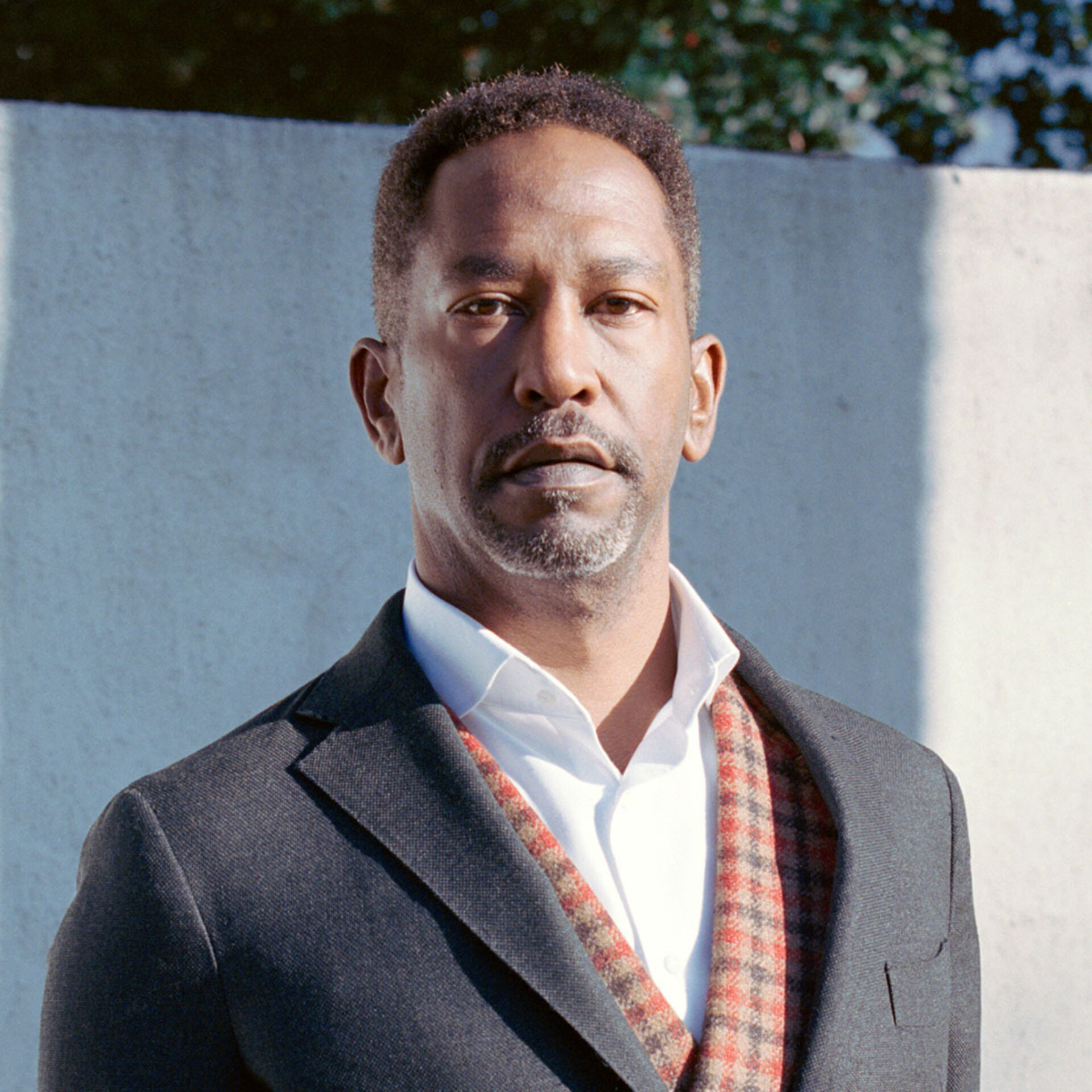
Founding Executive Director of the African American Cultural Heritage Action Fund and Strategic Advisor to the CEO of the National Trust for Historic Preservation
Founders Church of Religious Science
Los Angeles, California
“One of the most powerful expressions of Black modernism and spiritual thought translated into architecture is the Founders Church of Religious Science,” Leggs said. “Designed by pioneering modernist architect and the first Black member of the American Institute of Architects, Paul R. Williams, the building’s elliptical form, reinforced concrete, and geometric clarity reflect both innovation and intention at a time when Black designers were excluded from many professional spaces. For me, this church represents how Black design has long fused aesthetics, philosophy, and resilience into enduring civic and spiritual spaces.”
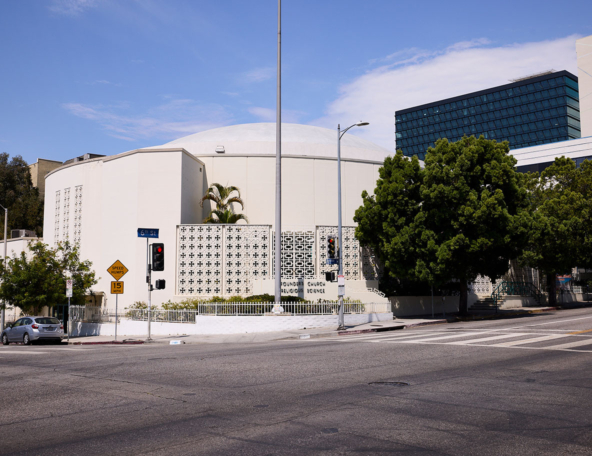
Photo by Mark Clennon, courtesy of the African American Cultural Heritage Action Fund
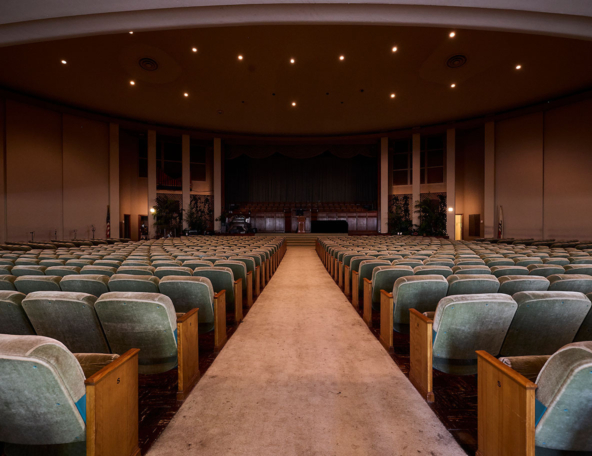
Photo by Mark Clennon, courtesy of the African American Cultural Heritage Action Fund
Highlander Research and Education Center
New Market, Tennessee
“The Highlander Research and Education Center [a social justice leadership training school and cultural center] is a powerful example of how design can serve movement-building,” Leggs noted. Its spaces are intentionally modest, functional, and human-scaled — designed not to impress, but to bring people together to learn, organize, and lead social change. It’s personally meaningful to me because it reminds us that interiors don’t have to be grand to be transformative; they simply need to be designed with purpose and with people at the center.”
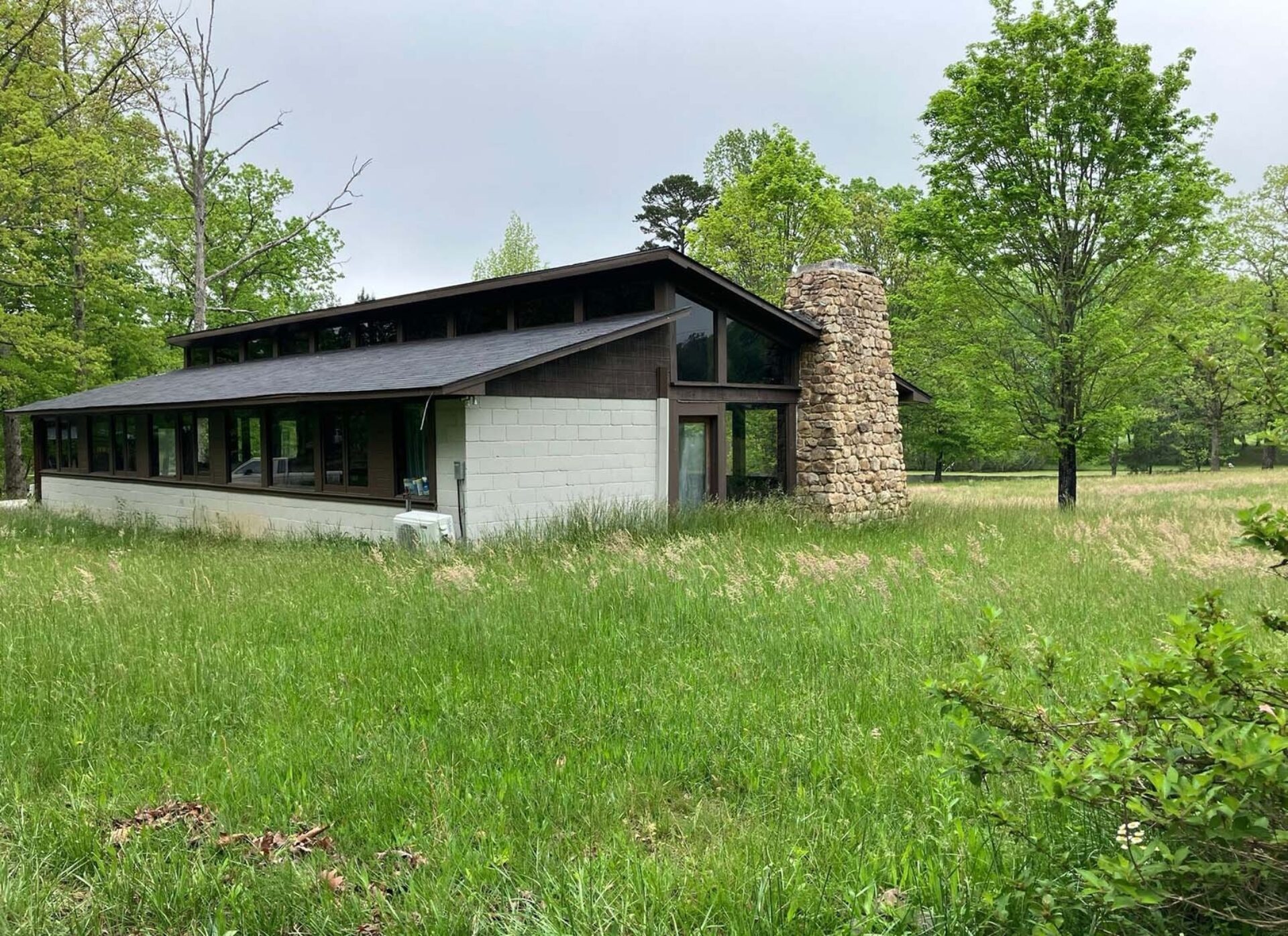
Photo by Jack Wallace, courtesy of the African American Cultural Heritage Action Fund
Anne Spencer House and Garden Museum
Lynchburg, Virginia
“The Anne Spencer House and Garden offers an intimate view into Black creative life, where domestic interiors and landscape work together to nurture literary and cultural brilliance,” Leggs said. Anne Spencer was a Harlem Renaissance poet and civil rights activist; her home was a gathering place for Black luminaries including Martin Luther King Jr., Zora Neale Hurston, W.E.B. Du Bois, and Langston Hughes.
“The home’s scale, warmth, and connection to its garden reveal how personal space can serve as both a refuge and a site of intellectual production. Preserving this space matters because it honors the quiet, intentional design environments that have long supported Black artistry and thought.”
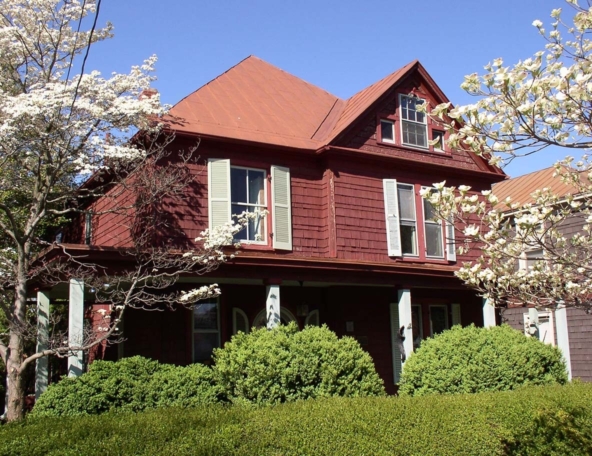
Photo by by Kipp Teague
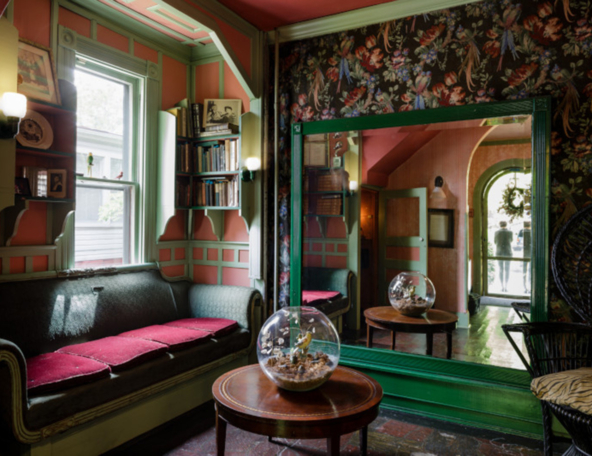
Photo by Lincoln Barbour, courtesy of the African American Cultural Heritage Action Fund
Related Articles
-
My Black History
Tara Dudley, Ph.D., an educator and expert on Black design and historic preservation, reflects on three places she finds personally meaningful -

Black Design: The Power of Joy
IIDA’s Black History Month Celebration continues as we explore the Museum of the African Diaspora’s first-ever design exhibit -

Black Design: 28 People, Places, Ideas, and Spaces
A list of individuals, books, landmarks, and resources related to Black design worth celebrating this Black History Month — and every month — curated by IIDA’s EVP and CEO, Cheryl S. Durst -

Celebrating Black History Month with Alexandria Davis
Illuminating the Path: The Impact of Black Creatives in Design -

Black History Month Profile: Shauna Stallworth
Member Shauna Stallworth talks about the importance of creating opportunities for inclusiveness in our industry -

Black Designers to Know
Designers That are Leading the Way