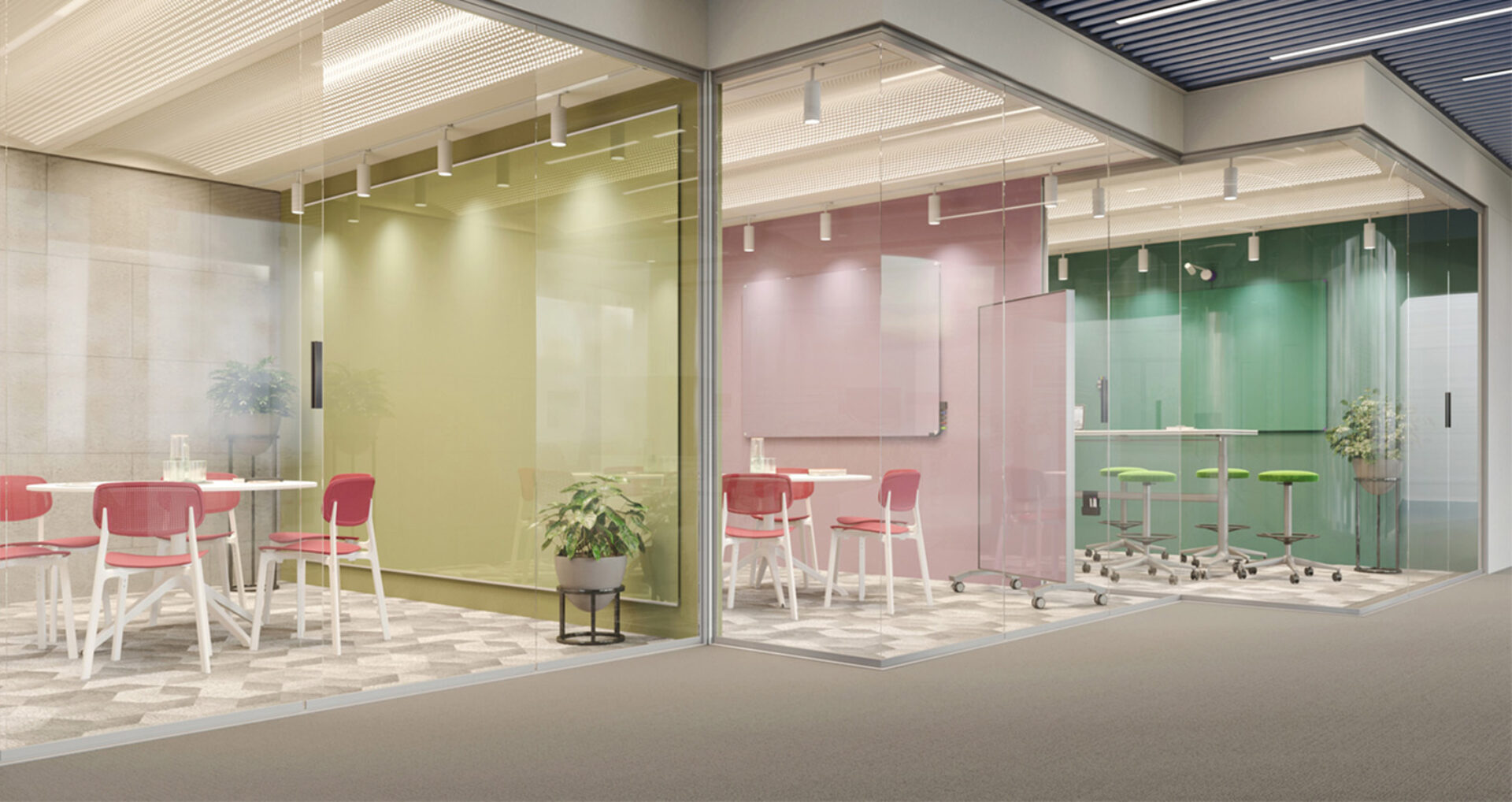

At first glance, it’s just a whiteboard. A flat, quiet surface. No software. No notifications. It doesn’t buzz, update, or demand attention. In a world defined by speed, complexity, and constant input, simplicity can feel almost invisible.
Across industries, there has been a consistent pressure to digitize, automate, and integrate the latest technologies into every space. While these tools offer undeniable benefits, they also introduce new frictions: ideas trapped behind screens, information scattered across platforms, and collaboration gated by logins.
In these complex environments, simplicity prevails because it allows people to focus on ideas instead of tools. Whiteboards don’t compete for attention; they create space for it. The whiteboard has evolved into a dynamic surface that drives collaboration and engagement. As organizations better understand digital fatigue and sensory overload, simple solutions like these help solve today’s complex challenges across education, healthcare, and the workplace.
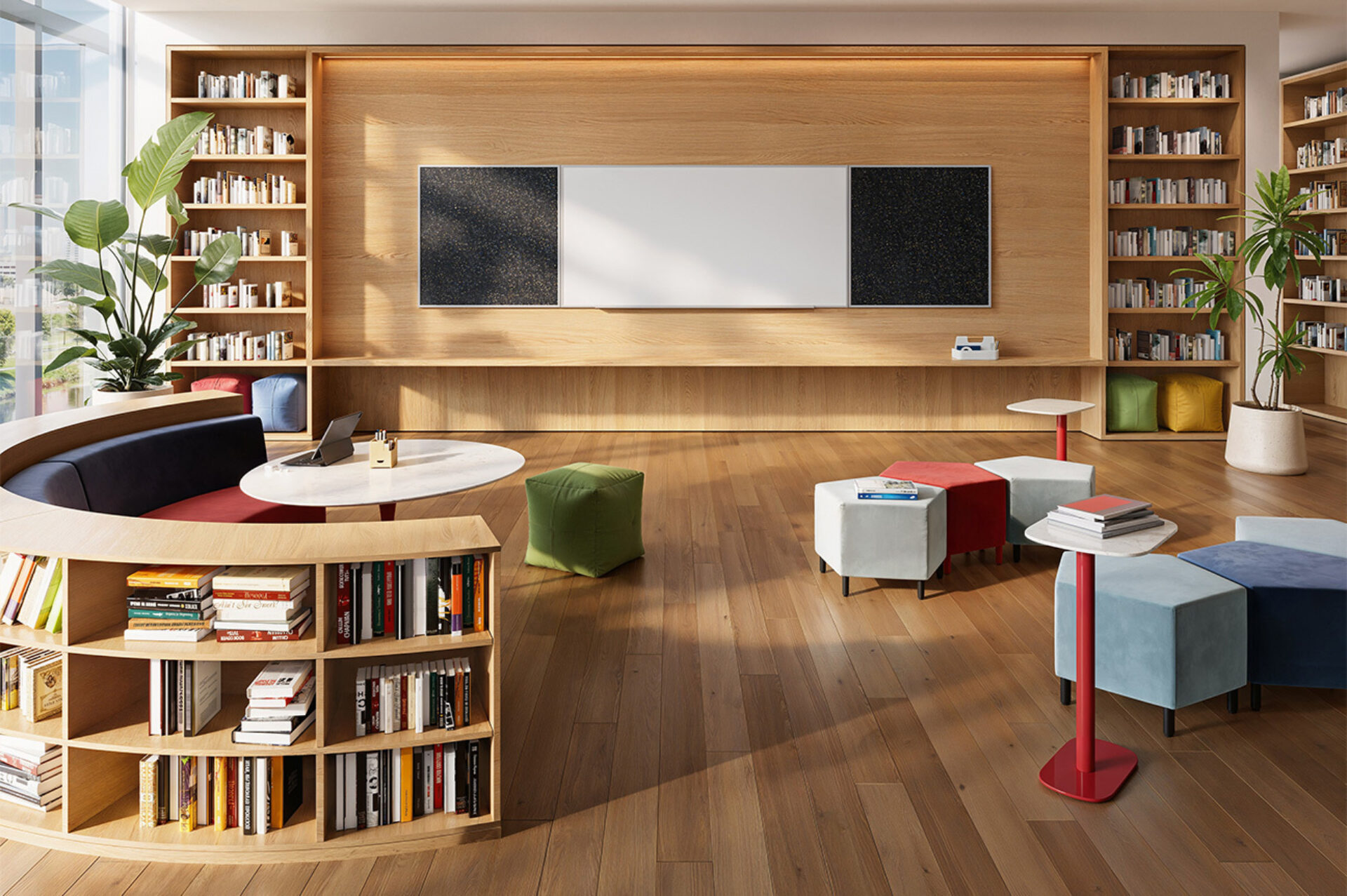
Image courtesy of Ghent
Education in a Digital Era
Learning is more than just information. While today’s students are immersed in technology, constant digital stimulation can also contribute to distraction and can reduce attention spans.
Analog surfaces offer balance. Research shows that writing by hand supports deeper cognitive processing than typing, which improves both comprehension and retention. Whiteboards create space for ideas to be explored, revised, and shared in real time.
By making thinking visible, they turn learning into a collaborative act. Concepts become tangible, participation increases, and students gain confidence through the freedom to experiment and iterate.
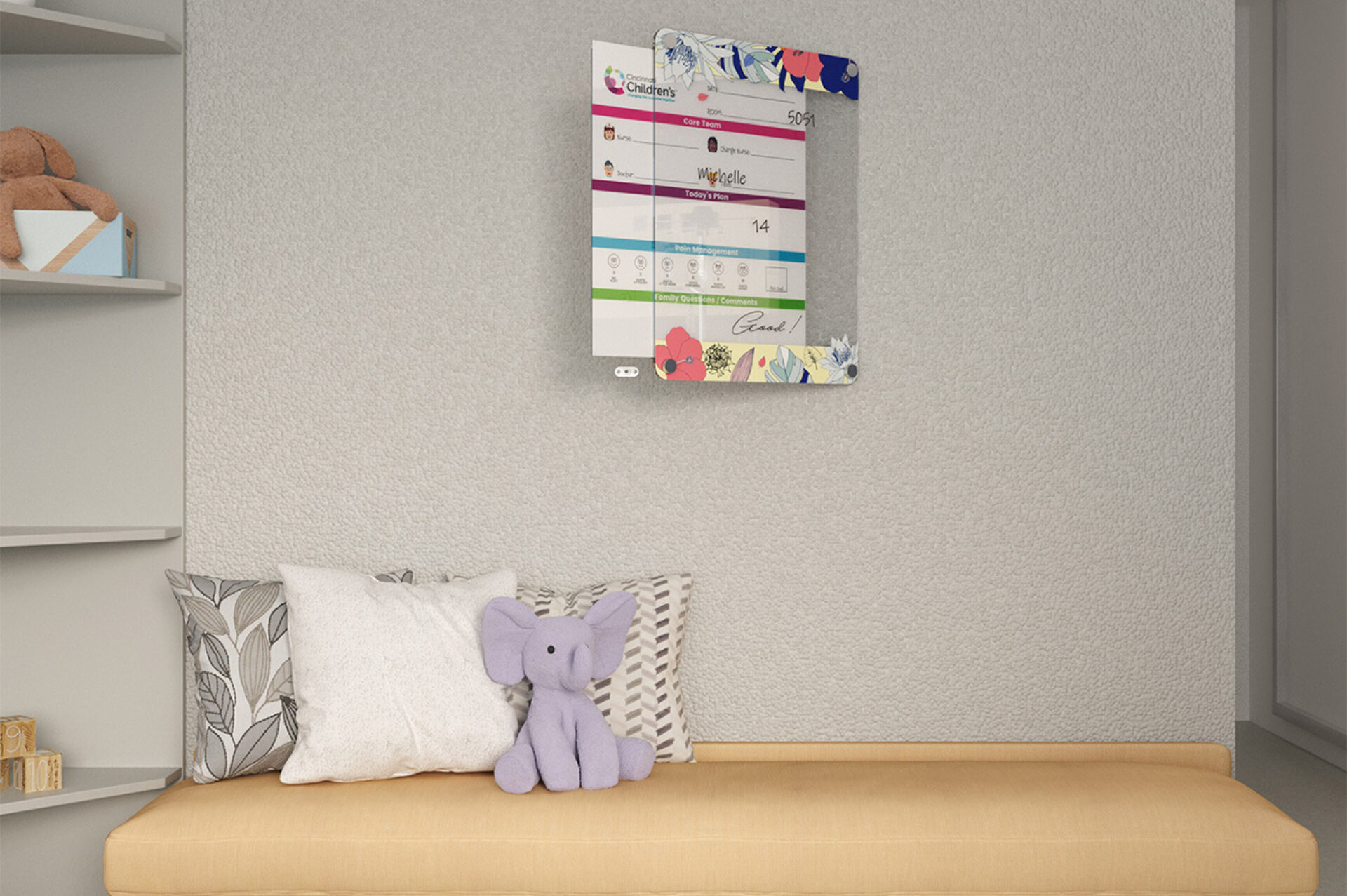
Image courtesy of Ghent
Creating Clarity in Healthcare
In healthcare environments, communication is critical. Information changes quickly, decisions are time-sensitive, and the stakes are deeply human. For patients and families, details can be overwhelming. For care teams, clarity and consistency are essential.
Whiteboards serve as a shared point of reference. In patient rooms, they reduce uncertainty and reinforce trust. In clinical settings, they ensure information is accessible across shifts. Clear communication directly supports better outcomes.
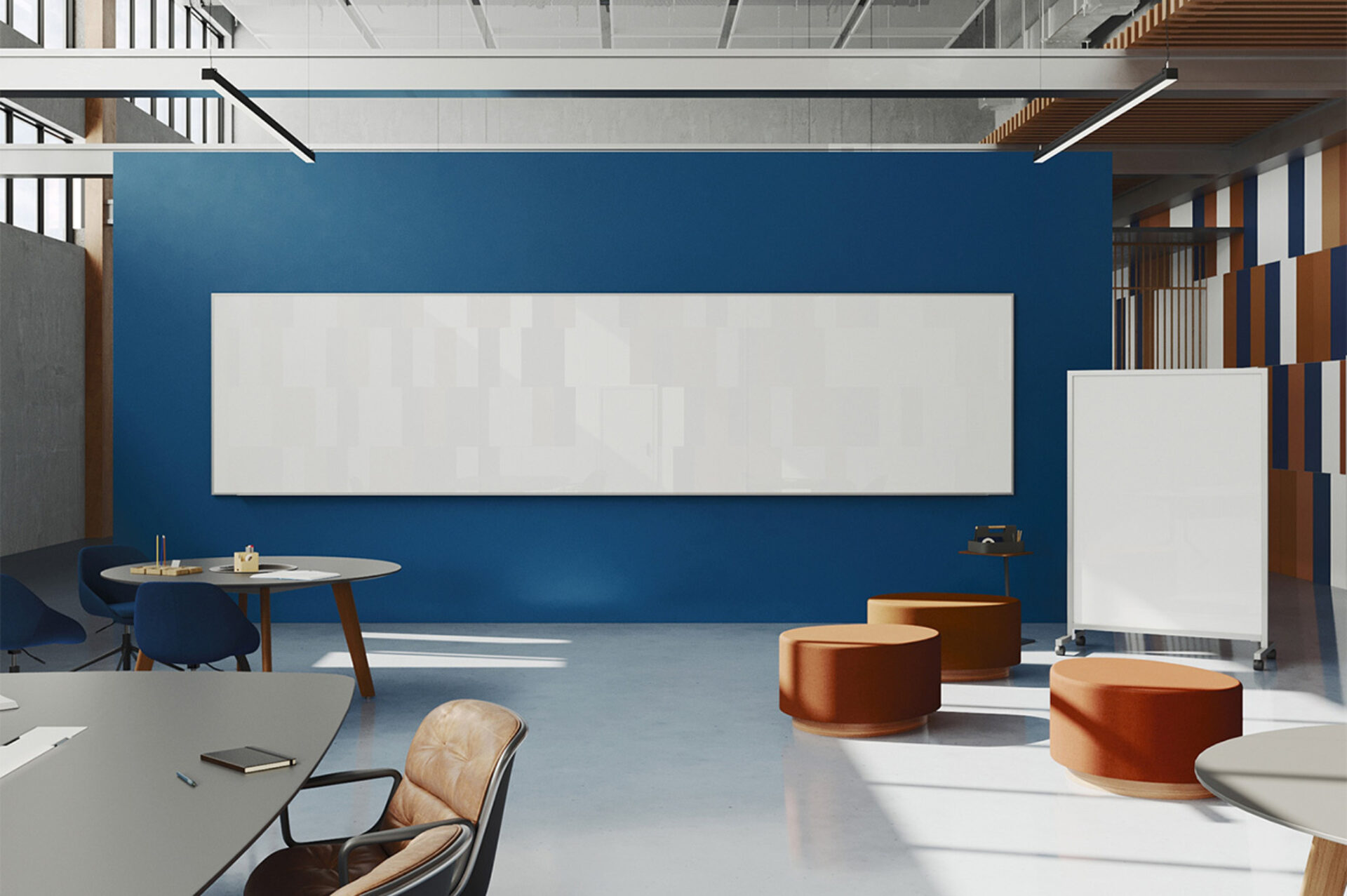
Image courtesy of Ghent
Where Work Meets Connection
Today’s workplace is more connected than ever, yet alignment often feels fragmented. Ideas live across emails, chats, and documents, rarely converging in one place.
As offices evolve into hubs for collaboration, these surfaces make thinking visible and collective. Writing ideas down fosters ownership and momentum, encouraging boarder participation. In complex organizations, this simplicity helps teams slow down just enough to move forward with clarity and intention.
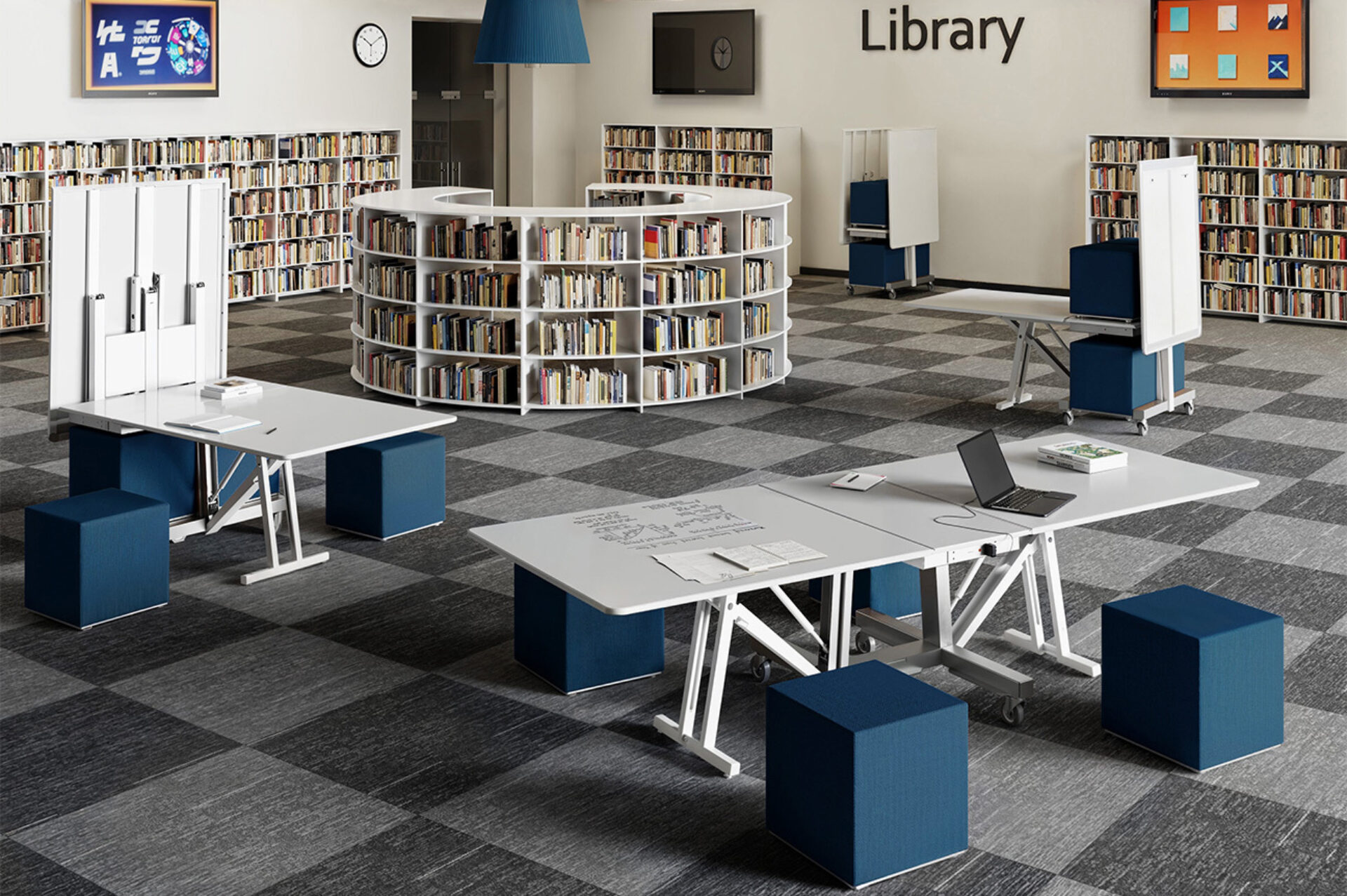
Image courtesy of Ghent
The Next Generation of Simple Surfaces
While whiteboards may appear simple, today’s surfaces are engineered to solve increasingly complex challenges around flexibility, mobility, and collaboration.
As workplaces evolve, static environments no longer support the way people naturally work. Meetings extend beyond the conference rooms, often prompting impromptu conversations in hallways, breakrooms, and even outdoors. GRVT was designed in response to this shift, rethinking what collaboration looks like. The first mobile collaboration hub, GRVT combines writable surfaces, mobile table, seating, and power into one flexible system that adapts to changing needs. By creating products that support movement and spontaneous interaction, collaboration becomes more accessible.
Innovation is also reshaping the surface itself. Flyte Duo challenges traditional assumptions about how durable writing surfaces are constructed and installed. Using an ultralight aluminum honeycomb core and magnetic mounting capabilities, Flyte Duo delivers a double-sided, magnetic writing surface that is significantly lighter and easier to install. The result is a surface that feels effortless to use while maintaining the durability, performance, and clean aesthetic expected in contemporary spaces.
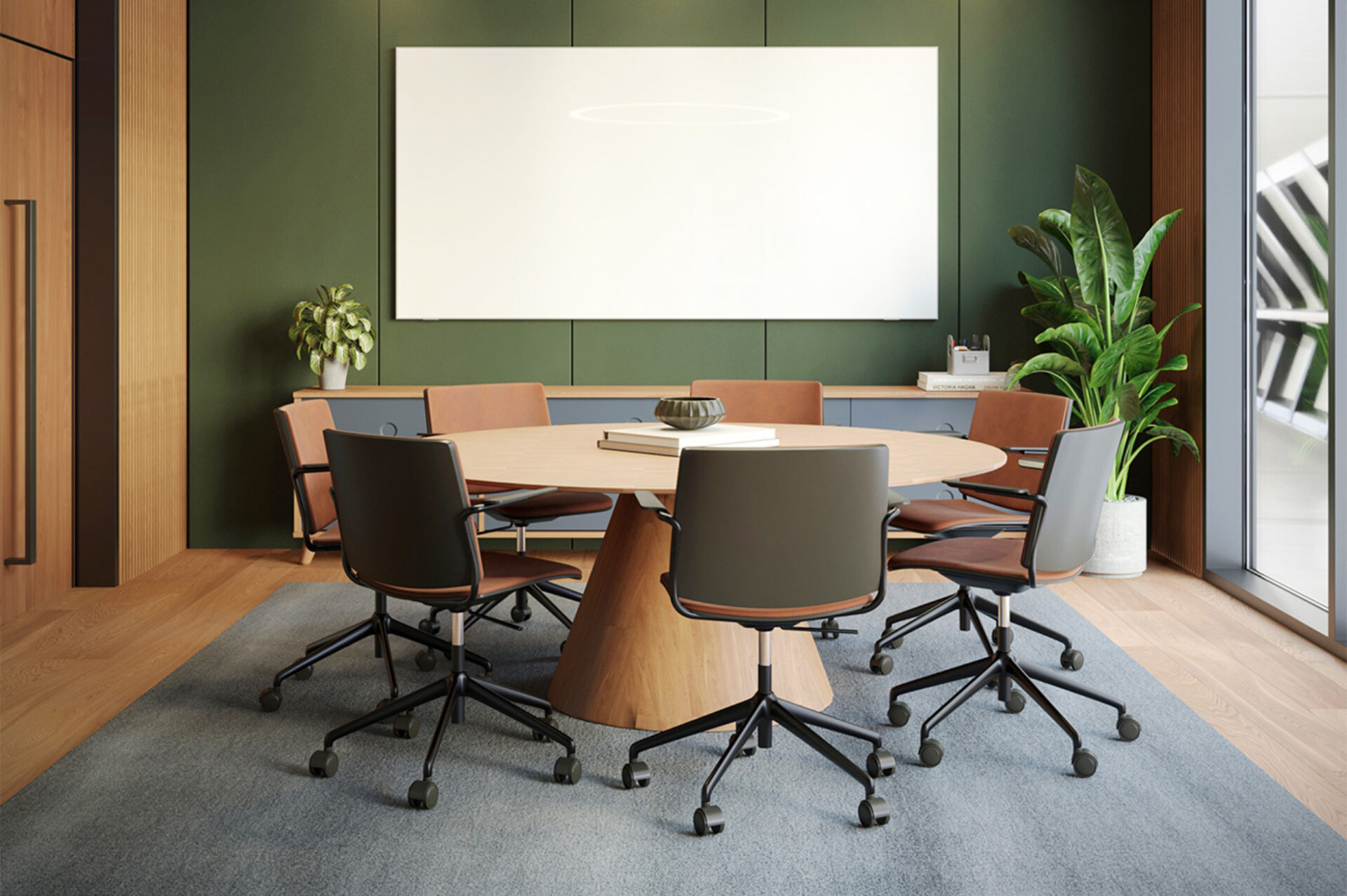
Image courtesy of Ghent
It’s Just a Whiteboard, but...
Across industries, challenges differ, but needs remain the same: clarity, alignment, and the tools that support problem solving in real time.
Whiteboards endure not because they are familiar, but because they are adaptable. They respond to human behavior, offering a platform for ideas to take shape freely.
Sometimes, the most effective solutions aren’t the most complex. They’re the ones that make space for ideas to happen.
Related Articles
-
5 Spaces That Defined Milan 2026
These installations revealed that the most compelling interiors didn’t just display objects — they shaped how visitors moved, looked, and felt -
11 Award-Winning Products That Captivate
Award-winning designs from IIDA competitions, from armchairs to wall sconces to washroom accessories -
Best of the 2025 WestEdge Design Fair
Our biggest takeaways from the show: best of product and booth design, and the importance of networks -
5 Designs with a Big Impact
Creative solutions furthering accessibility, sustainability, community development, and equity -

THE Gift Guide for Designers
Design-forward gifts for everyday rituals (and every kind of design lover) -
World-Building with Adi Goodrich
Enter the endlessly inspiring and vibrant world of the Los Angeles-based spatial designer