This story was originally published in the March/April issue of i+s
Design doesn’t just organize space — it shapes how we experience it. From workplaces to schools, hospitals, and hotels, the most compelling environments feel intentional, intuitive, and memorable. The projects below — all winners of the 2025 IIDA Global Excellence Awards — offer five lessons designers can apply anywhere. From creating social hubs at work to letting a dramatic landscape lead the story, these spaces show how design can shape the narrative. Let’s take a closer look.
The Workplace That Actually Works
Boston Consulting Group, Calgary — HOK
In Calgary, Boston Consulting Group’s new office reflects the realities of hybrid work. The design is flexible, comfortable, and focused on people. A phased renovation brought in bookable offices, touchdown desks, and plenty of places to gather and move. And it’s got personality. The retro-modern look brings in wood, chrome, and a handcrafted waffle-block ceiling that anchors the kitchen, which is now a social hub. It just works. And it reflects how people want to work today.
Steal this idea: Pay special attention to the social hubs. Make the kitchen, lounge, or gathering spaces a destination.
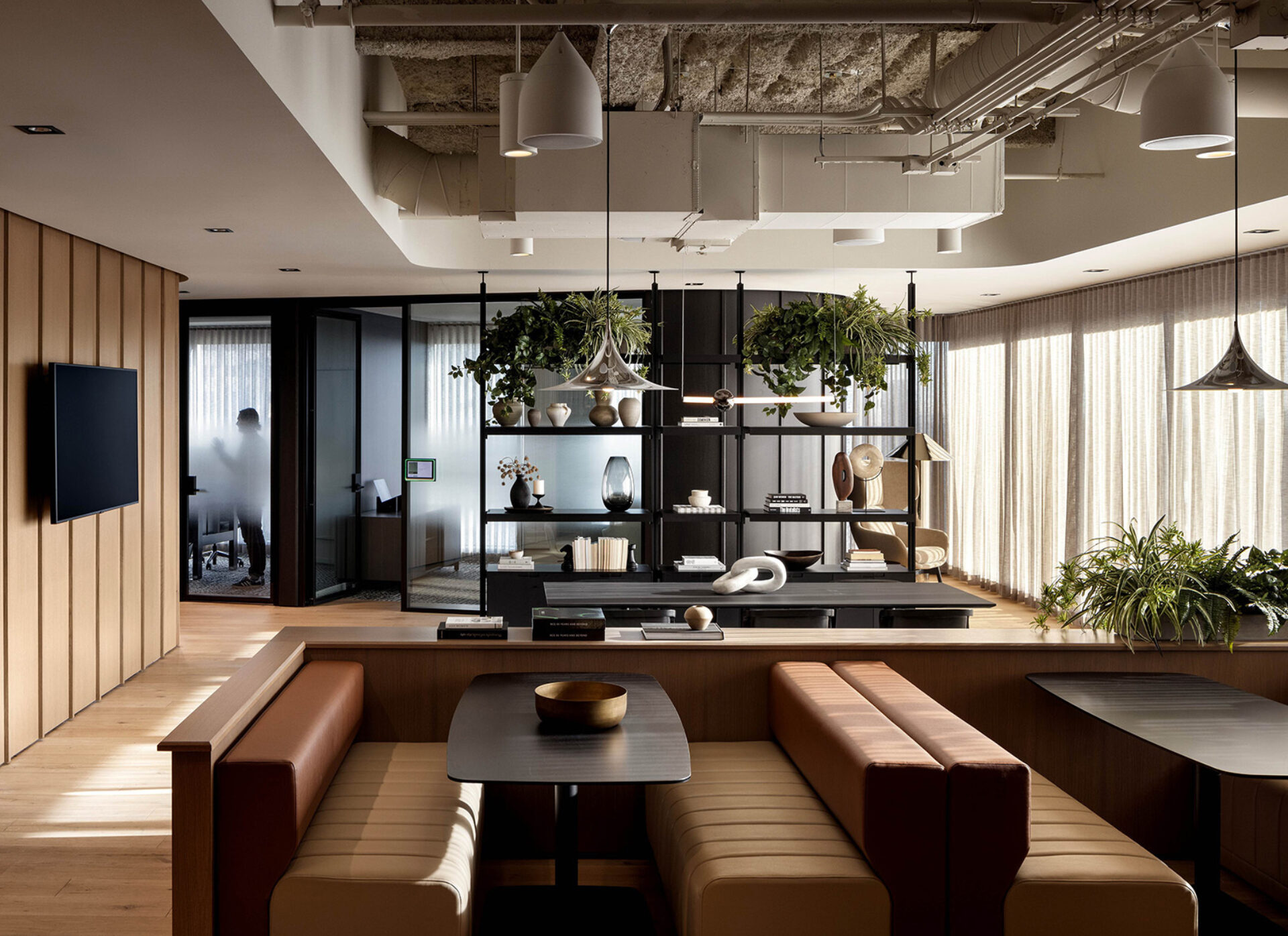
Photo by Eymeric Widling
The School Where You Can’t Help But Smile
New Borovaya School, Belarus — ZROBIM architects
I bet your school didn’t look like this when you were a kid. At the New Borovaya School in Belarus, learning looks and feels fresh. Bright and playful, the design offers spaces for recreation, rest, and discovery. Flexible zones let curiosity take the lead. Vibrant colors help kids with wayfinding, and furniture offers choice — and just the right amount of whimsy.
Steal this idea: Don’t fear color. Used strategically, it can guide movement, boost mood, and make spaces unforgettable.
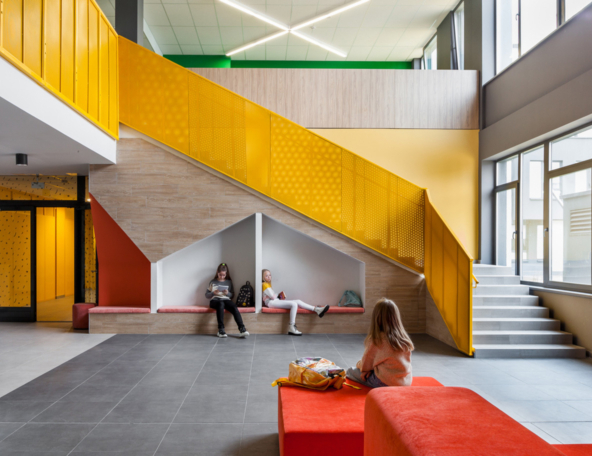
Photo by Sergey Pilipovich
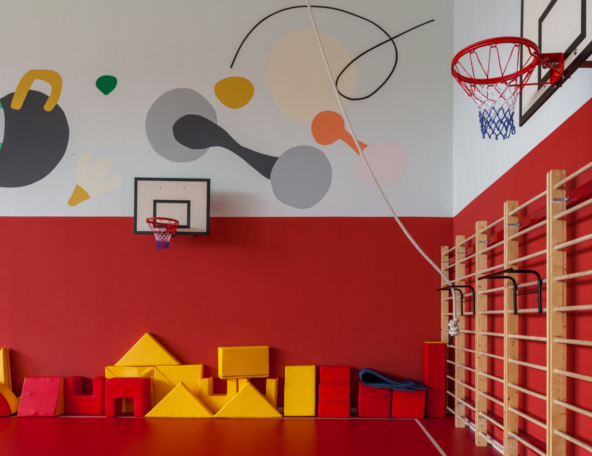
Photo by Sergey Pilipovich
The Hospital That Feels Human
King’s College Hospital London, Jeddah — HKS Architects
For the designers behind this hospital, the cultural and spiritual stakes were high. The building sits along a pilgrimage route to Mecca, and the design had to bring together cultural identity, hospitality, and next-generation care. They did it. In the entry hall, light filters through a honeycomb facade. Warm tones reference rawashins, the ornate wooden screens found on historic Jeddah buildings. And green accents nod to the nearby Red Sea. It’s warm, it’s compassionate, it’s intuitive, and it’s deeply human.
Steal this idea: Design with cultural memory. A space that reflects local history instantly feels grounded, welcoming, and authentic.
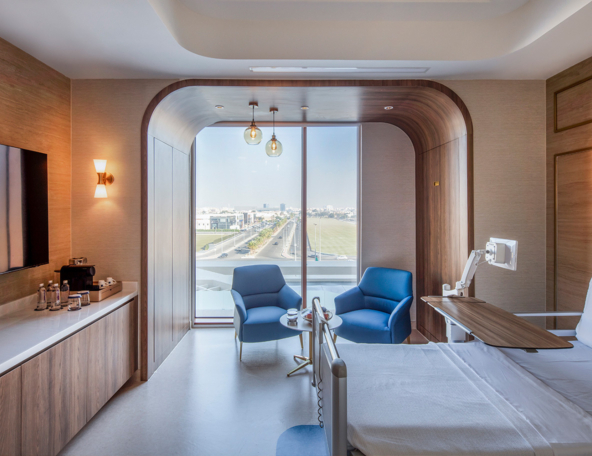
Photo by Luke Hayes Photography LTD
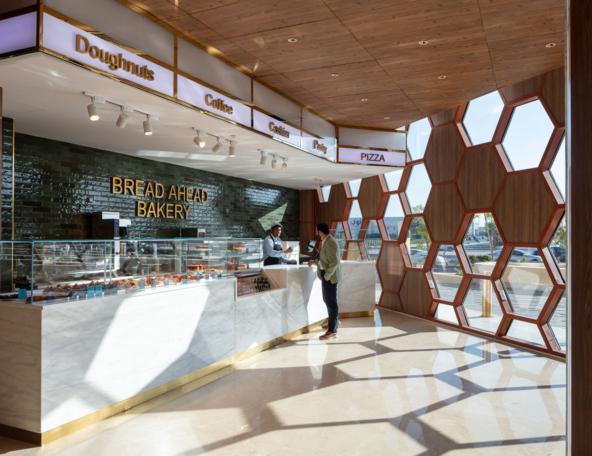
Photo by Luke Hayes Photography LTD
The Office That Ditches the Corner Office
PwC Canada, Toronto — M Moser Associates
PwC Canada’s Toronto HQ ditches the pre-Covid office model in favor of a design that’s flexible and built for connection. Designers asked employees what they wanted, and the answer was loud and clear — choice and control. There are no private offices here, just easily adaptable zones that support collaboration and customization. Accessibility is front and center, with barrier-free pathways and contrast cues. It’s a workplace where the future of professional services feels a little more human.
Steal this idea: Kill the corner office. When hierarchy disappears, collaboration and connection get a lot easier.
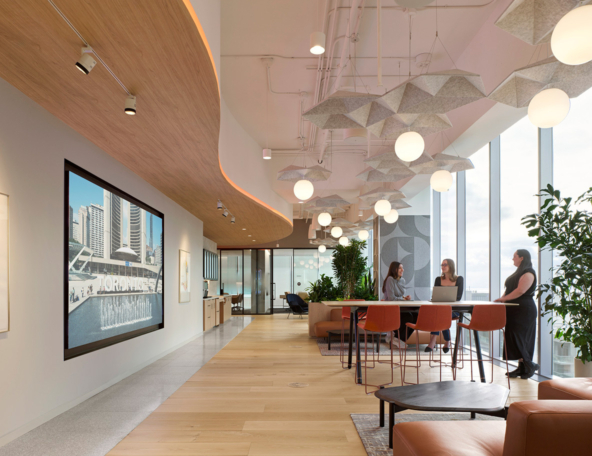
Photo by Ben Rahn & A-Frame Photography
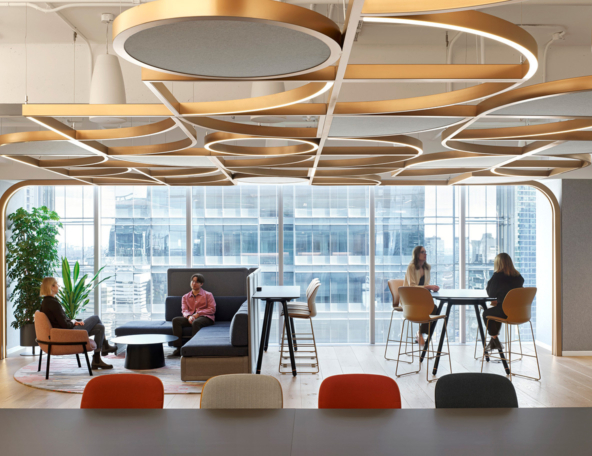
Photo by Ben Rahn & A-Frame Photography
The Hotel That Lets Nature Steal the Show
Deqin Meri Poodom Hotel — W.DESIGN
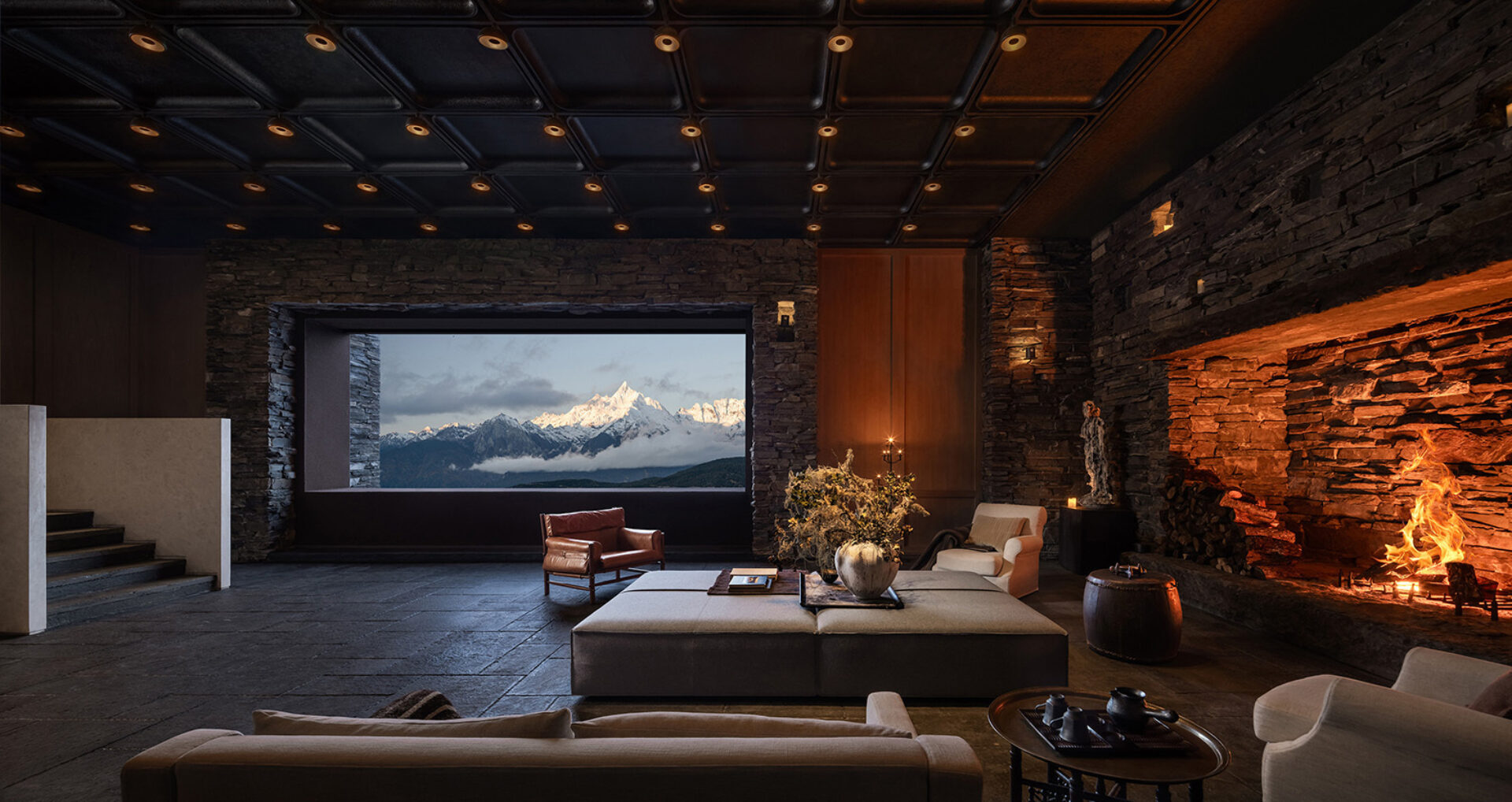
Listen, this hotel brings the drama. The Deqin Meri Poodom plays to the strength of its site. It’s 3,600 meters above sea level, on China’s Meili Snow Mountain. The space merges regional culture with passive design to create a retreat that feels like a sanctuary. And honestly, you can’t beat those views. Large windows let in light and landscapes, and minimal furnishings allow snow-capped mountains to play a starring role. Overall, the effect is transfixing — and transcendent.
Steal this idea: When the site is spectacular, step back. Let the views do the storytelling.
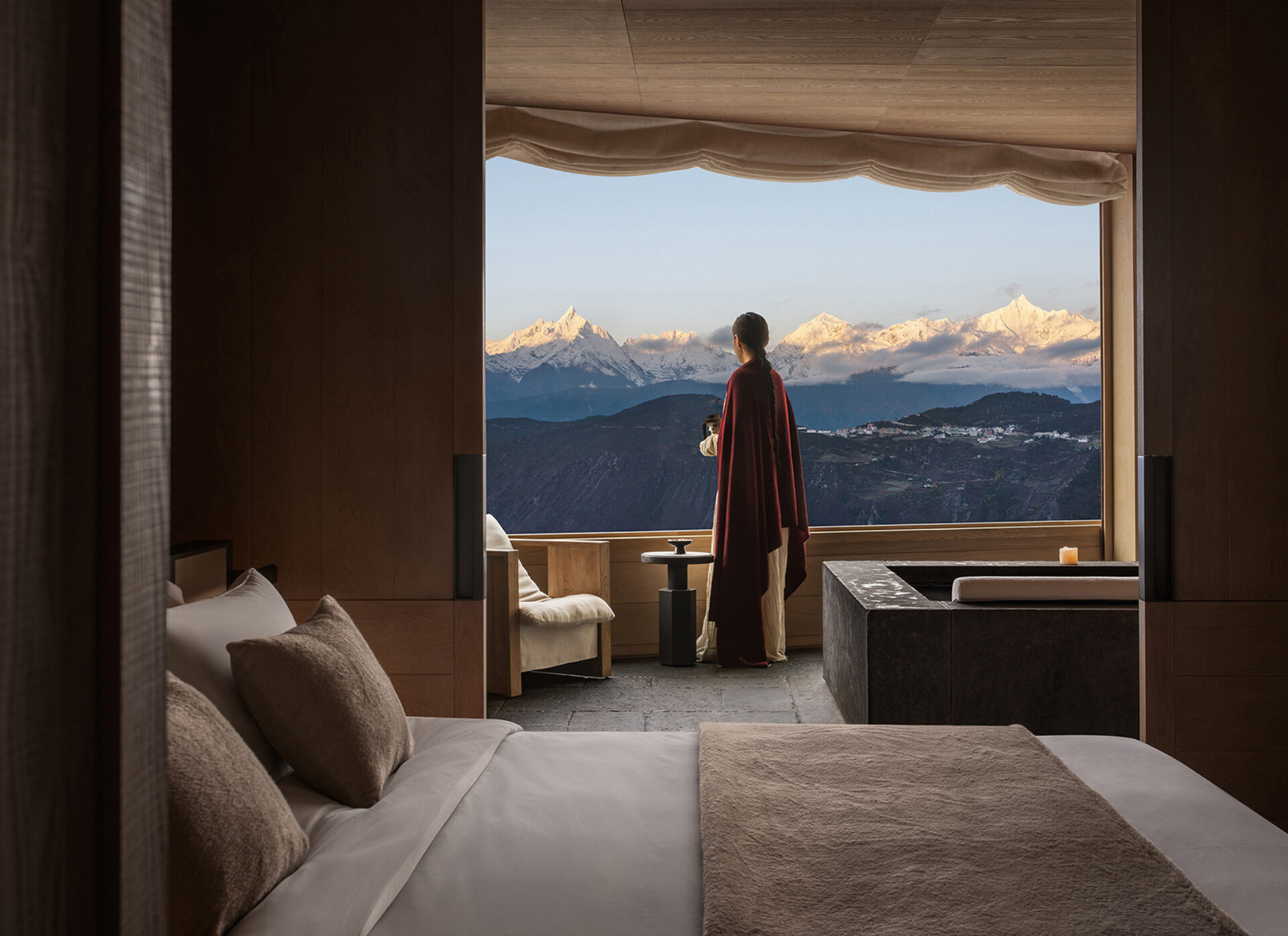
Photo by Sensory Design Wang Ting
Related Articles
-
A Chapel With a Problem Worth Solving
What do you do to harmonize and bring together old and new? -
5 Spiritual Spaces With Stunning Designs
Award-winning examples of beautiful design, all the more transcendent because they encourage people to connect with a higher power — or tap into the power within -
How STUDIO THO Blends Culture and Hospitality
Vietnamese culture and American ideals come to life in STUDIO THO’s 2026 Will Ching Design Competition winning project -
2026 Student Design Competition Showcase
Presenting the winning student design competition projects for a primary care clinic in rural northwest Montana -
Cultural Spaces, Reimagined
3 IIDA award-winning Asian interiors -
3 Award-Winning Libraries — and Why Jurors Loved Them
ALA/IIDA jurors share what made these library designs stand out