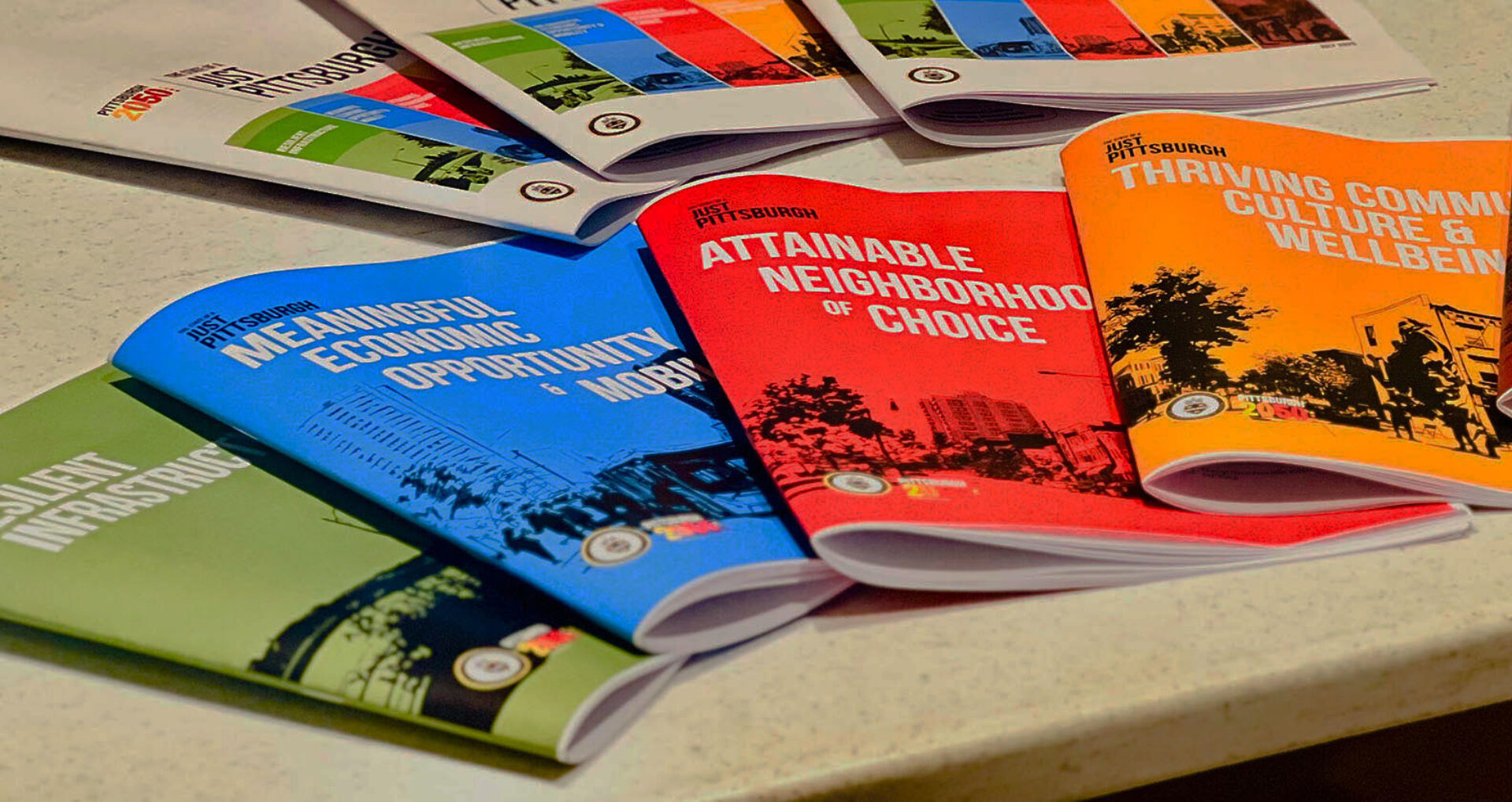

Toni L. Griffin, Professor in Practice of Urban Planning at the Harvard Graduate School of Design, created two organizations in search of a “just city.” What exactly is a just city? Griffin defines it as a city that is equitable, accessible, diverse, beautiful, inclusive, and innovative. It is designed for the well-being and vitality of its citizens. It does not alienate or discriminate based on race, class, or gender. Inspired by her belief that design can foster urban justice, she created a planning and design practice and a research lab to examine, define, and build just cities.
“Creating more just cities requires just interactions, imagination, and intention,” Griffin said.
Urban American City
When Griffin founded planning and design management practice Urban American City (urbanAC) in 2010, she had just left her role as Director of Planning and Community Development in Newark, New Jersey for then-Mayor Cory Booker’s Administration. Her experiences working in the public sector, paired with the preceding years she spent as an architect at Skidmore, Owings & Merrill, helped her envision the need for, and the future of, just cities. From New York to Chicago to St. Louis, Griffin and urbanAC have changed the landscape of American cities, creating more opportunities and a better quality of life for citizens.
Based in New York, urbanAC’s multidisciplinary team consists of designers, planners, and researchers who all want to reach the same goal — reimagining and building cities that are oriented toward justice. The firm’s work is rooted in developing innovative and bold approaches to addressing issues of urban justice by relying on expertise from various disciplines and close collaboration with local communities. “Cities and neighborhoods are where the average, everyday person experiences how design and public policy affects their life,” Griffin said. The communities we inhabit affect our well-being and our choices, and it’s crucial that residents have agency. “When communities have a greater say in the decisions that affect their future, they begin to see themselves as collaborators rather than obstructionists,” Griffin said.
Over the past 15 years, urbanAC has led and managed complex projects across the country that address historic and ongoing inequities often related to race and class. In 2012, they led a citywide effort to create a strategic plan called “Detroit Future City," aimed at revitalizing vacant lots across the city. The award-winning framework set the city on a course of reinvestment and real change. The urbanAC team considered what economic conditions created the vacancies, the resulting environmental impact on the city, and how to spur job creation, economic growth, equitable access, and a sense of welcome for all. To fully unpack the conditions of spatial and social injustice and create a better future, Griffin says we need multiple disciplines and varied voices at the table, from longtime residents to local business owners, economists to philanthropists, real estate developers to local government.
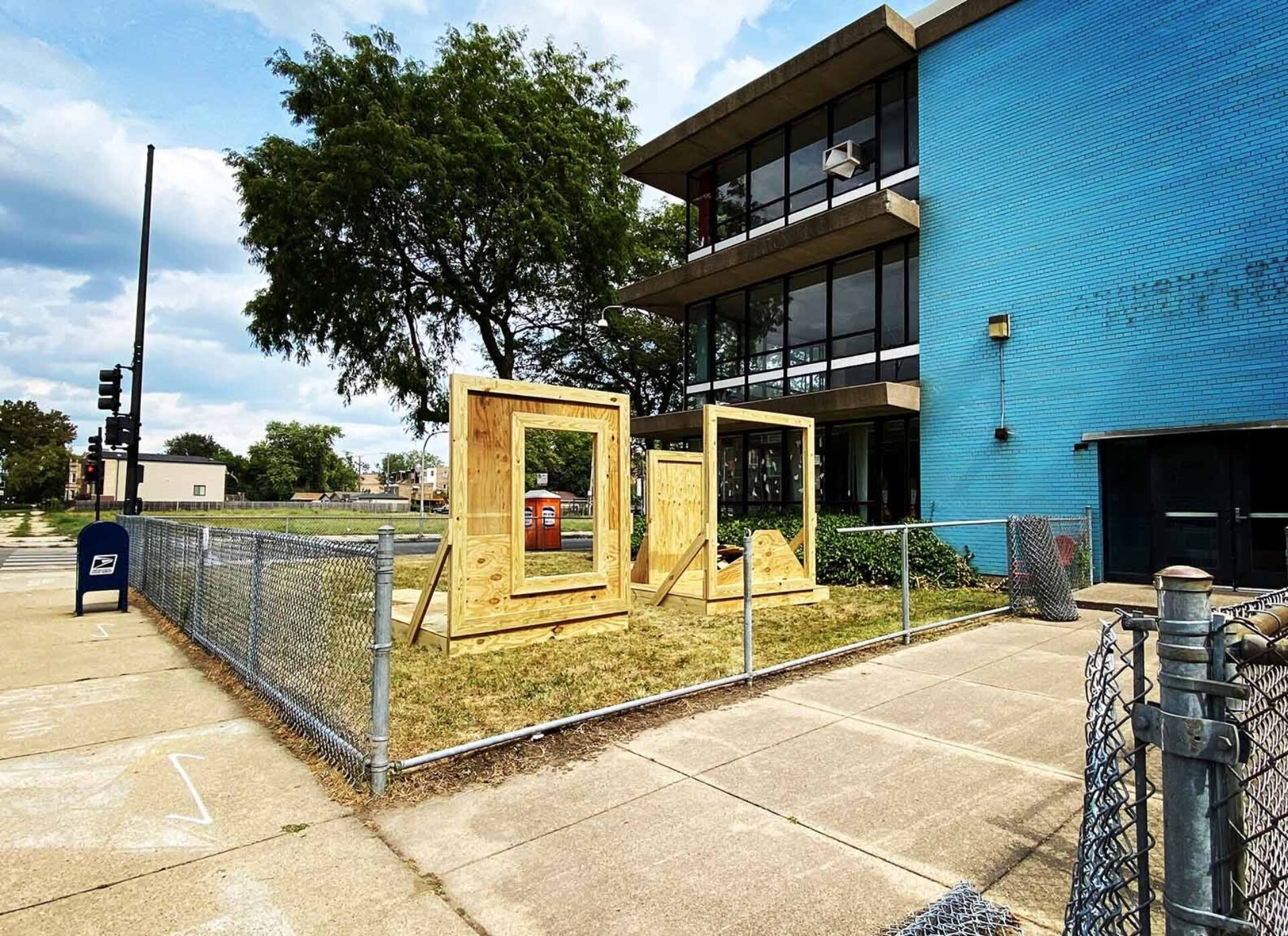
Image courtesy of Toni L. Griffin
“How do we create a better quality of life? How do we create better safety? How do we create beautiful places that people want to be? We bring that to all of our projects,” Griffin said, adding that “communities of color are not a monolith. There are very different types of communities of color, as there are very different types of communities and neighborhoods overall. So, really, every place we go to is unique and specific. Once we learn that place, and we learn about its conditions of injustice, we then tailor a composition of expertise that is transdisciplinary,” she said, and they help “co-design the ways in which that community can move forward.”
In 2017, urbanAC partnered with Stoss Landscape Urbanism and other firms to enter an international competition to create a design connecting St. Louis’s Forest Park with its iconic Gateway Arch. The resulting Chouteau Greenway framework plan proposed a design solution that not only connected those sites but also added connections to Fairground and Tower Grove Park — an effort to bring investment to two Black neighborhoods that had experienced longstanding disinvestment.
Just City Lab
In 2016, Griffin — who was previously a Loeb Fellow at the Harvard University Graduate School of Design, and who taught there as an adjunct professor between 2006 and 2011 — returned to teaching at Harvard and launched the Just City Lab. The lab, which offers tools, courses, and research on urban justice, was her way of sharing her expertise with students and offering more opportunities to investigate the built environment to identify the conditions of justice and injustice in neighborhoods and the public sphere.
"I got the opportunity to create a pro seminar for our Masters in Design Studies [program at Harvard], and there I wanted to unpack the different notions of what it means to be public. How does our identity show up in the public realm? What does it mean to govern? And how do I build community and work with community?” Griffin said.
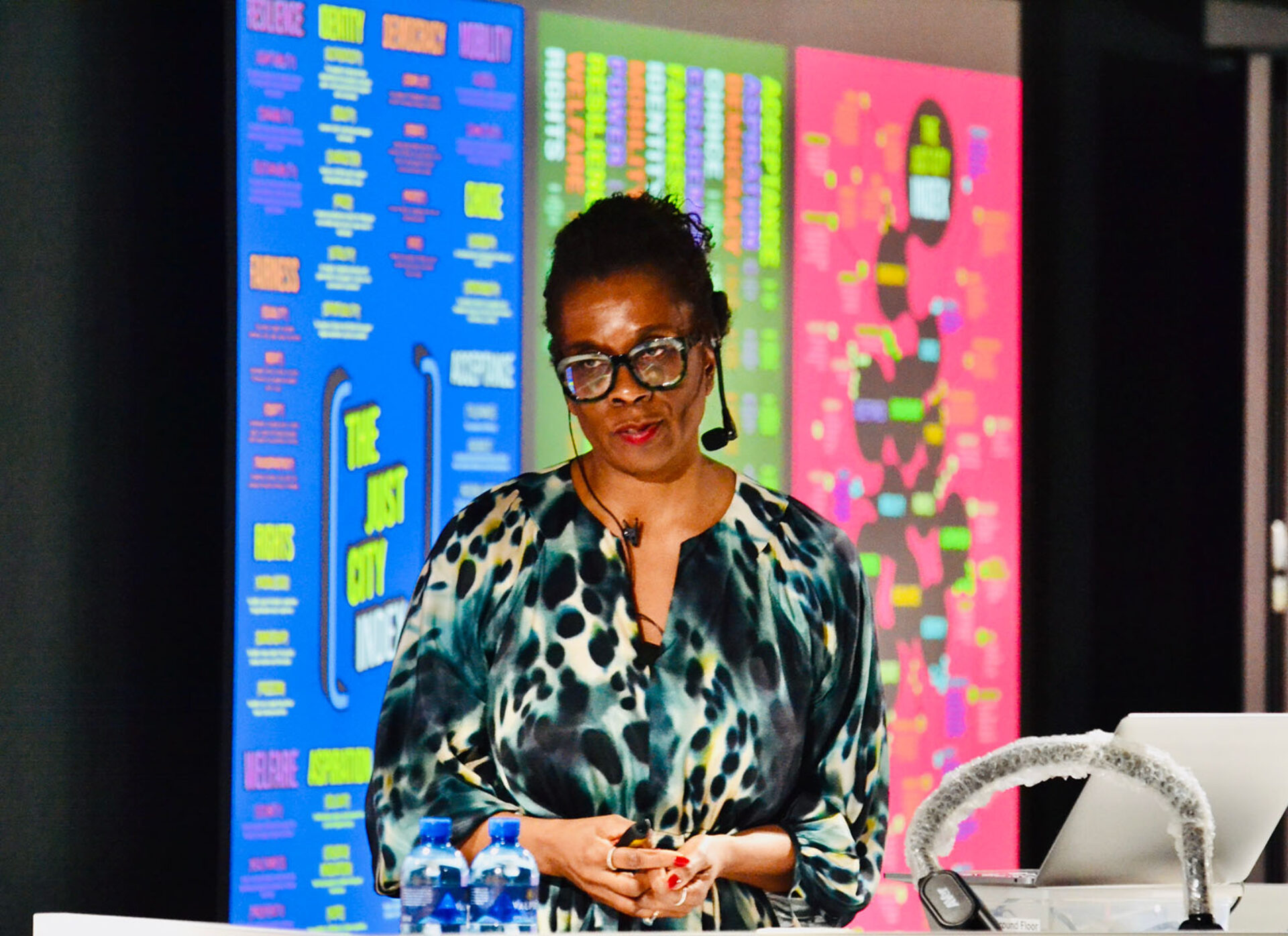
Image courtesy of Toni L. Griffin
An overarching theme that Griffin teaches is understanding neighborhood change. “Understanding the narratives of place” is central to what she explores with students, “and part of that is about how we’re understanding and shifting our values,” Griffin added. To streamline this knowledge outside of the classroom, the Just City Index was created. The index is a tool for communities to establish their own definition and principles for what makes a city or neighborhood more just. It holds over 50 values used in Griffin’s courses and harnessed by urbanAC. Within the last few years, Just City created a fellowship program called the Just City Mayoral Fellowship; each spring semester, eight mayors are invited to take a course designed to help them build language and expertise on how their mayoral can create more just cities.
“I think mayors are my most favorite elected officials, because while they have a high seat of authority, they also are very rooted and connected to place and people,” explained Griffin. “They have to go home to a neighborhood. Their neighbors are their constituents, and so they are most connected to the effects of their policy and decisions in a different way than the state or federal government.”
Both urbanAC and Just City Lab are interconnected, helping create more equity and opportunity in the built environment, cultivate a generation of designers well informed about the roots of injustice, and seed a future where social justice and design walk hand in hand.
Related Articles
-
Rapid Fire with Yinka Ilori
First instinct, no overthinking: Yinka Ilori takes us inside his Dunelm collection -
Rising Stars: IIDA Members Going Beyond
Get to know designers moving the needle in advocacy, sustainability, mentorship and more -

Perspective: Design Superstars
These design superstars have set themselves apart with their dedication to doing what it takes to make the world wonderful -

We Need More Third Spaces
Three designers talk about their favorite third spaces and share design tips to foster connection -
Nature, By Design
How one landscape designer is bringing the outdoors back to the people — one urban riverbank at a time -

Shaping Spaces for Connection
Two designers with a passion for holistic design discuss how to create spaces that go beyond function and foster human connection