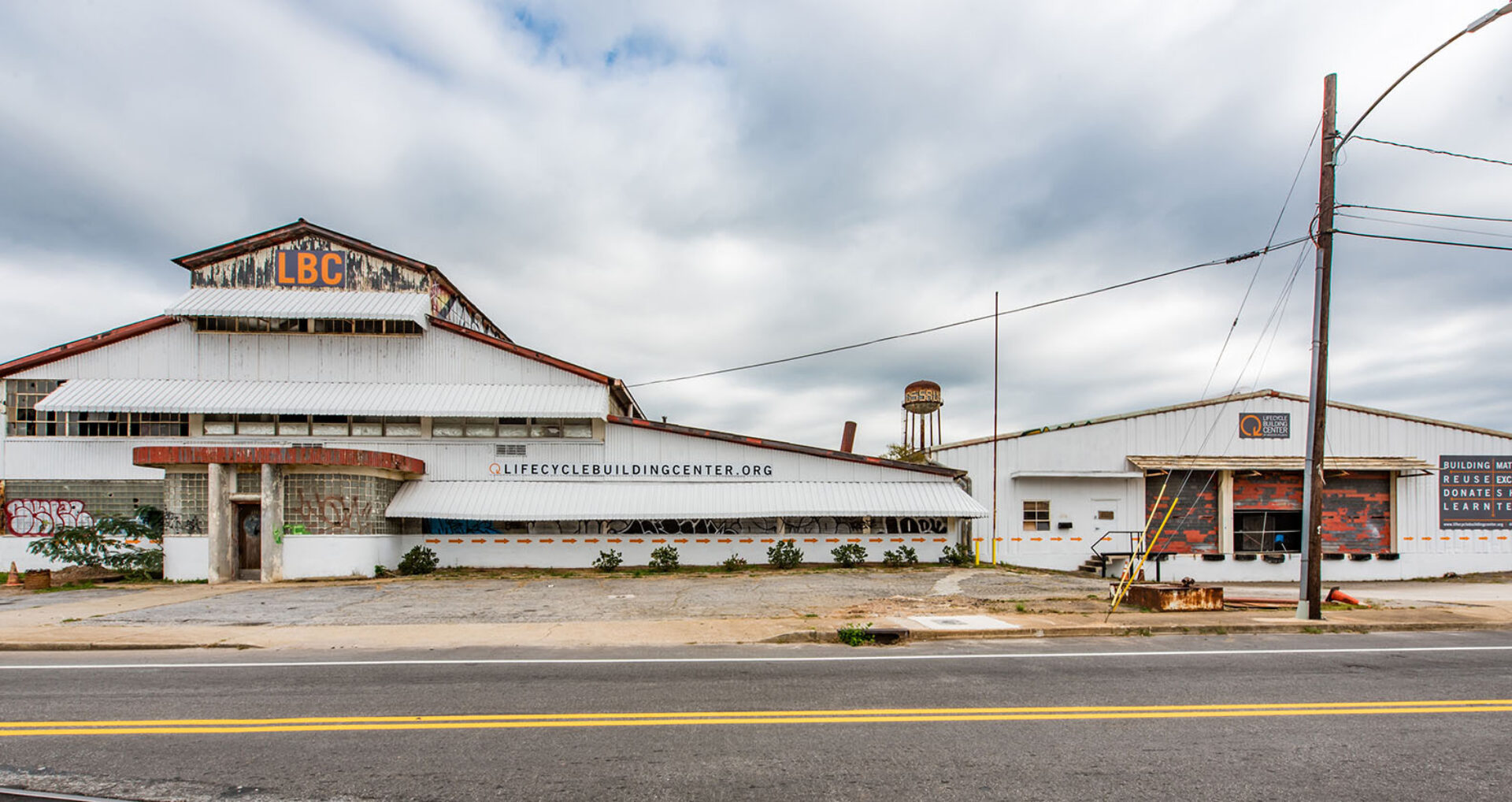

What happens when a city treats its discarded building materials as assets instead of waste? Shannon Goodman has spent more than a decade answering that question. As a systems thinker, storyteller of materials, and an architect who sees reuse not as nostalgia but as a path to equity and climate resilience, she leads Lifecycle Building Center (LBC) in reshaping how Atlanta builds — and rebuilds. Here, she breaks down what “reuse first” really means, how deconstruction creates local jobs, and the practical steps designers, nonprofits, and local communities can take right now.
For someone hearing about Lifecycle Building Center for the first time: what problem are you solving — and why does “reuse first” matter for equity, affordability, and climate in Atlanta?
A century ago, it was common to reuse building materials because we valued them and resources were scarce. As we became a wealthier nation, we moved away from this restorative practice. At its core, reuse is about seeing the value in the materials that we have and creating systems which restore balance in how we treat these resources [waste vs. reuse]. By saving and sharing discarded materials, we strengthen our communities by creating access to more affordable materials, and by connecting people both to one another and to the shared history that exists in these materials. Reuse restores environmental, economic, and social balance by helping us see through a lens of abundance and connection.
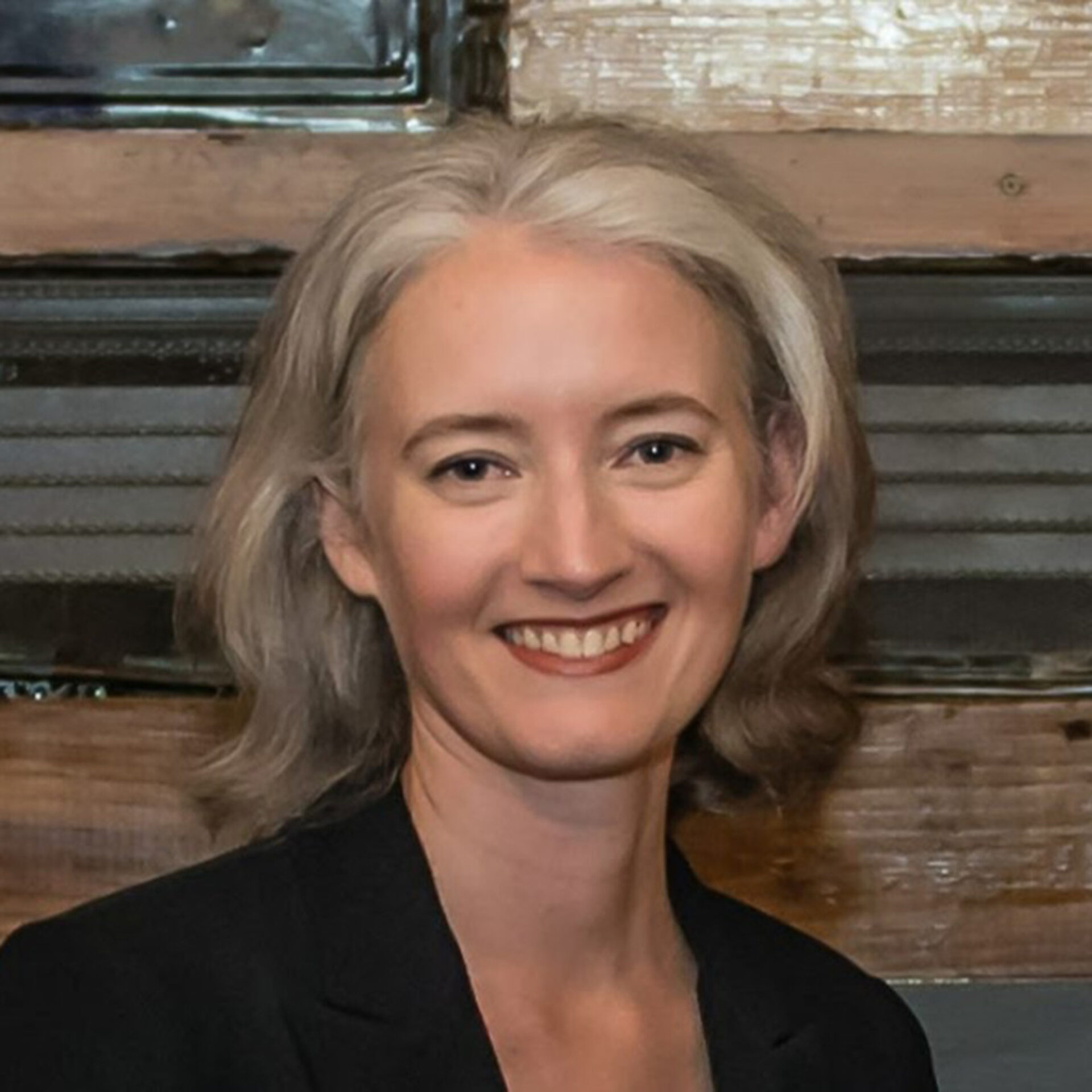
Executive Director, Lifecycle Building Center
Image courtesy of Shannon Goodman
Can you share a quick before/after where reclaimed materials made a big difference — for a school, a community group, or a neighbor?
Over the past 14 years, LBC’s Nonprofit Material MATCH program has donated $1.6 million dollars in free materials to over 400 nonprofits. One of my favorite MATCH stories is from2018, when we donated 7,000 square feet of carpet tile to Overcomers House in Snellville. Overcomers House, a 100% volunteer-run organization, was expanding their food pantry and thrift store that serve hundreds of low-wealth families every year. Nonprofits like Overcomers House give everything they have back to their community. They could not afford to hire a contractor, so they were doing all the renovation work with volunteer labor and needed as many materials donated as possible. Donating this flooring saved them thousands of dollars and was a critical part of completing their project so they could expand the number of families they serve for years to come.
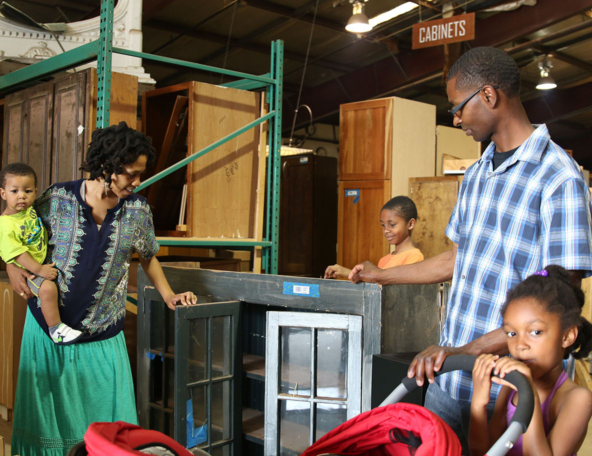
Image courtesy of Shannon Goodman
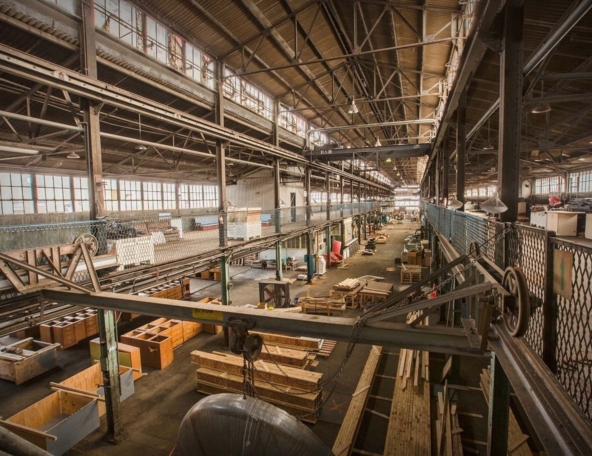
Image courtesy of Shannon Goodman
Deconstruction in a nutshell: how is it different from demolition, when does it make the most social and environmental sense, and what barriers still get in the way?
Deconstruction is essentially construction in reverse and involves taking materials apart in a way that allows them to be reused, whereas demolition involves destroying installed materials without regard for whether or not they are reusable. What is often forgotten, however, is the fact that the way materials are put together greatly impacts how easy or difficult it is to take materials apart. One of our goals at LBC is to encourage architects, engineers and designers to plan for reuse from the start by using fasteners, joinery techniques and other methods that allow for easier disassembly in the future, which is commonly referred to as “Design for Disassembly.” This is one of the many examples where adopting a reuse mindset can make a design challenge even more interesting and compelling and positions the designer/specifier as a steward of each material’s lifespan potential.
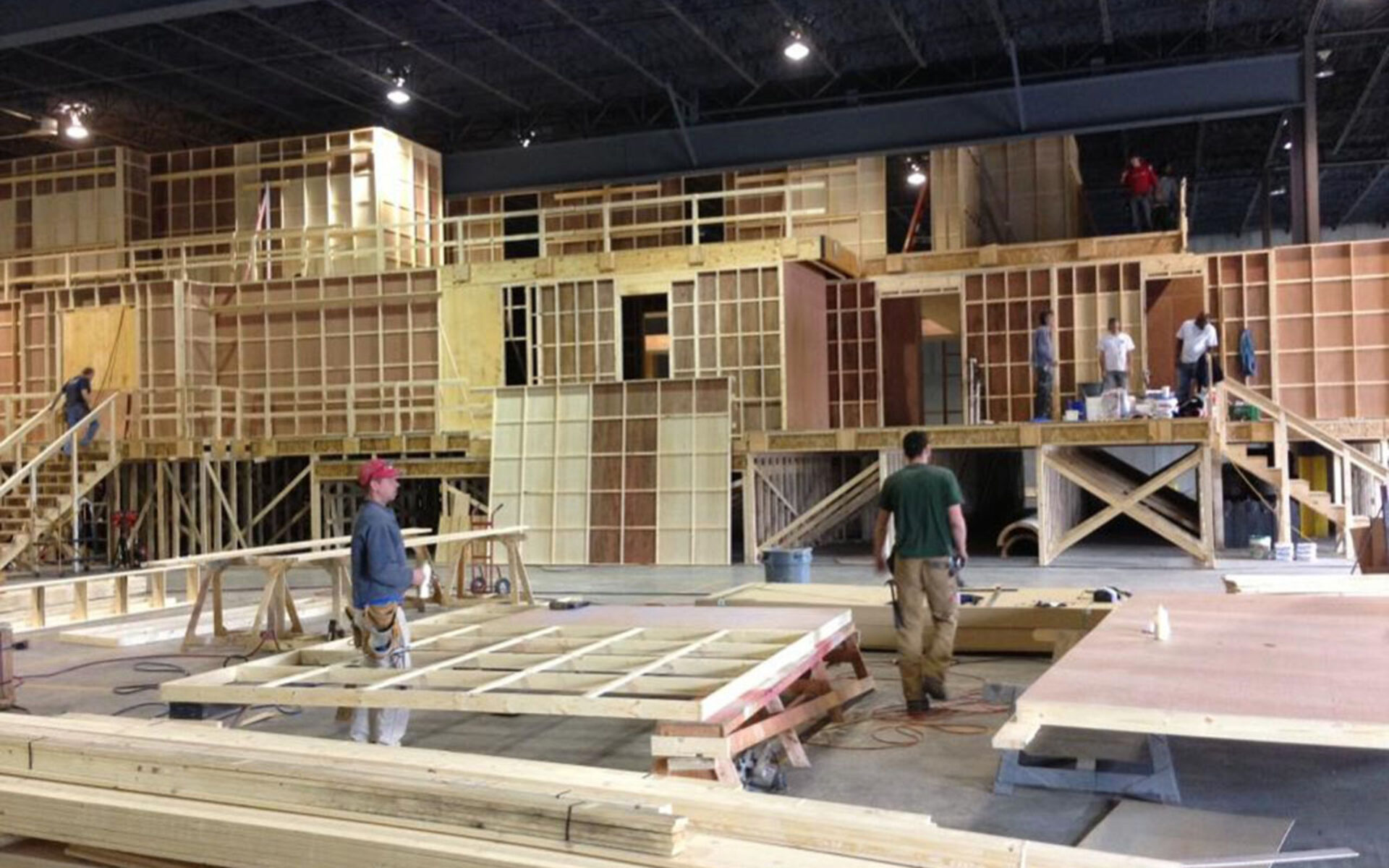
Image courtesy of Shannon Goodman
What’s one myth about reuse you wish would disappear?
That reusing materials always costs more! The #1 reason people come to LBC looking for materials is not because the materials are reclaimed, it is because they are priced significantly below new material costs. It is common for our materials to be 75% or more below new material pricing.
Designers sometimes worry reuse will limit aesthetics or performance. What are your go-to strategies for specifying reclaimed materials that look great, meet code, and last?
I would highly recommend visiting the Kendeda Building for Innovative Sustainable Design at Georgia Tech. This project was the first fully-certified Living Building Challenge in Georgia and contains 28 different types of salvaged building materials. This includes 25,000 lineal feet of two-by–fours salvaged from film sets and reused for the nail-laminated timber decking panels; circa-1800’s heart-pine floor joists salvaged from Georgia Tech’s landmark Tower and reused as treads in the main atrium’s monumental staircase; and historic slate tiles that were removed from the Georgia Tech Alumni House and reused as wall tile in the restrooms. Each of these examples not only creates really interesting stories of connection and historical significance, they are each also aesthetically beautiful. Achieving successful reuse on this scale requires communication, creativity and flexibility. Every member of the project team enthusiastically adopted this approach throughout all phases of the project, and the results speak for themselves.
ReBuildATL and “Breaking Barriers Through Deconstruction” mix hands-on training with real projects. How do these programs open doors for participants — and what kinds of careers can they lead to?
LBC’s Breaking Barriers Through Deconstruction workforce training program was created in partnership with the ReBuildATL Coalition that we built in 2022 which consists of more than 40 nonprofits, academic institutions, industry partners, and local government. By adopting an approach of listening to the vulnerable populations we serve and designing solutions that tap into the assets and strengths that already exist in these communities, we discovered that we could address multiple challenges through one solution by cross-training individuals from underserved communities in deconstruction, home repair and energy-efficiency improvements for low-wealth seniors near LBC. Breaking Barriers saves valuable building materials while building skills, creating jobs and helping seniors have a safe home that uses less energy. However, this program isn’t just about building wealth for our trainees or lowering energy costs for seniors. It’s also about connecting people through a system where challenges are transformed into opportunities to build knowledge and support one another.
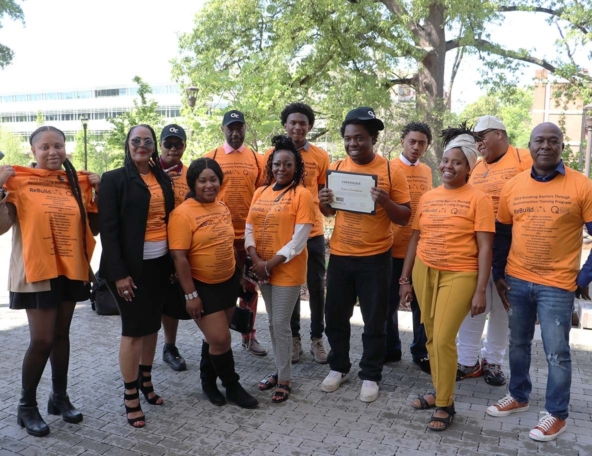
Image courtesy of Shannon Goodman

Image courtesy of Shannon Goodman
If the city could change one rule tomorrow to help more reuse happen, what would you ask for — and why?
I would make it a requirement to audit every building slated for demolition to document all of the materials that could be reused as well as the total savings that reusing these materials represent in terms of: 1) cost (i.e. what would the materials cost if they were purchased today), 2) embodied energy/carbon (i.e. what would the energy cost and greenhouse gas emissions impact be if these materials were replaced with new materials), and 3) community impact (i.e. show how the materials could be matched with nonprofits and communities that desperately need them, especially after natural disasters, or during an economic downturn or other times of community crisis). If we understood the scale of economic, environmental, and social value we’re losing every day when we discard these materials, we would be more motivated to collaboratively build the systems we need to save them.
A bonus question for our curious readers: What’s the first thing you ever salvaged — and where is it now?
Before co-founding LBC, I worked as an architect at Perkins&Will’s Atlanta office. In 2009, they purchased and renovated 1315 Peachtree Street in Midtown to become their new Atlanta headquarters, and I led an effort to save and donate 62 tons of construction materials worth $384,000 to local organizations. Several amazing nonprofits benefitted from these resources, including Habitat for Humanity, Atlanta Fire & Rescue, Southface Institute, Camp Twin Lakes, Atlanta Ballet, Georgia Organics, Horizon Theatre Company, and USGBC-Georgia. One story that meant a lot to me personally was the $10,000 in ceiling tile and commercial doors we donated to Refuge West Church in Marietta. I was thrilled to support every nonprofit we donated materials to, but what we gave to Refuge West was even more meaningful because this organization really needed these resources to continue serving vulnerable members of their community.
Related Articles
-
Rapid Fire with Yinka Ilori
First instinct, no overthinking: Yinka Ilori takes us inside his Dunelm collection -
Rising Stars: IIDA Members Going Beyond
Get to know designers moving the needle in advocacy, sustainability, mentorship and more -
Perspective: Design Superstars
These design superstars have set themselves apart with their dedication to doing what it takes to make the world wonderful -
We Need More Third Spaces
Three designers talk about their favorite third spaces and share design tips to foster connection -
Nature, By Design
How one landscape designer is bringing the outdoors back to the people — one urban riverbank at a time -

Shaping Spaces for Connection
Two designers with a passion for holistic design discuss how to create spaces that go beyond function and foster human connection