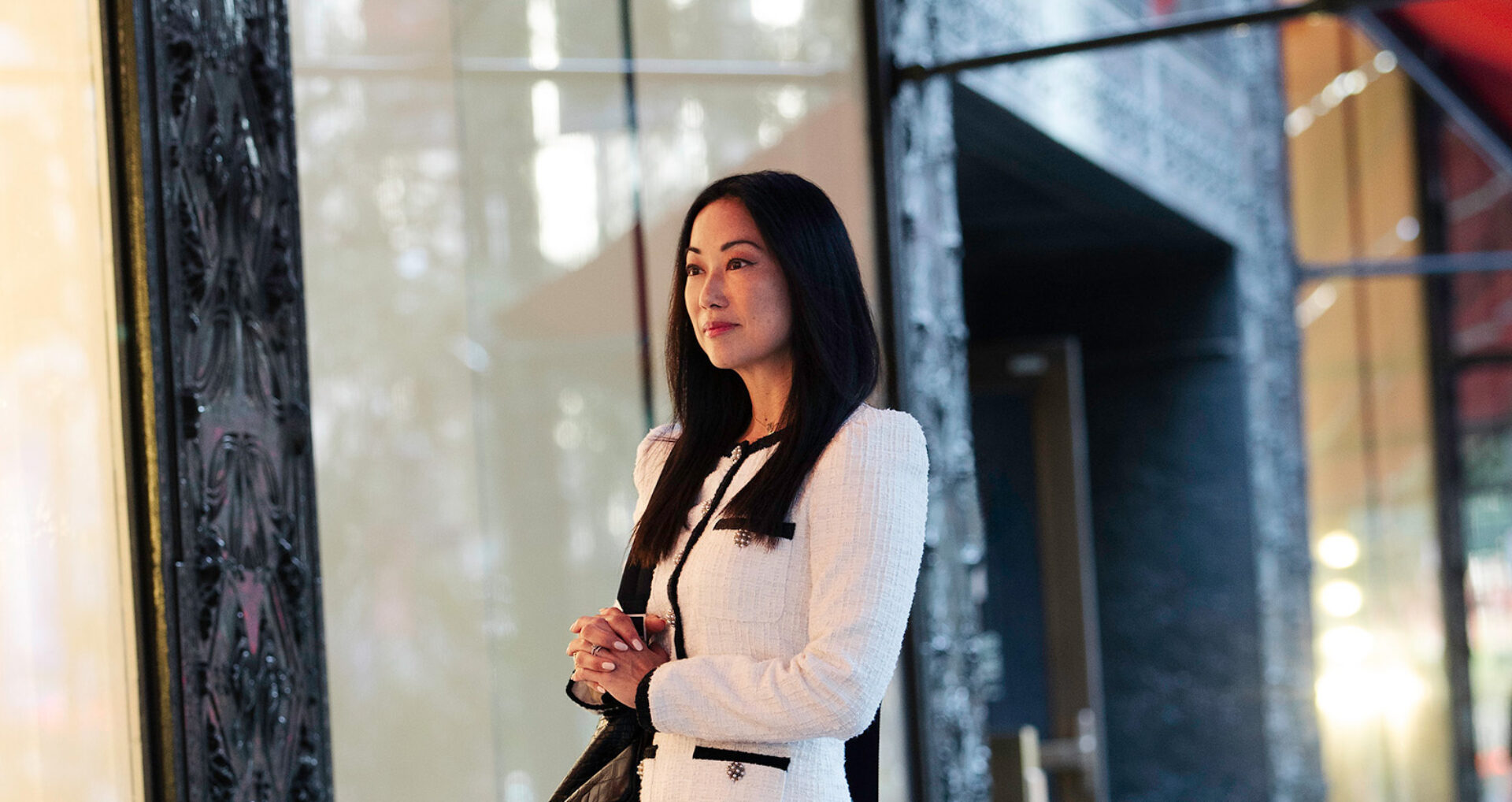

(Above: Photo by Gillian Fry/Gensler)
Lori Mukoyama’s work takes her everywhere, from Mexico City to Tokyo. But what does it actually look like to design projects across the world while staying grounded in the daily rhythm of a single city? In this edition of Day in the Life, we follow Mukoyama, principal and global hospitality leader at Gensler — and a proud Chicago resident — as she moves from an early morning Metra commute to late-night collaboration across time zones. Mukoyama brings more than 20 years of experience shaping hotels and restaurants, retail and workplace environments across the U.S. and globally. Working with clients like Hyatt, Marriott, Ayala Land, and Sterling Bay, and applying a hospitality lens to brands such as Studio Three, Radio Flyer, and Sam Edelman, she’s likely had a hand in shaping some of your favorite destinations.
Her day offers a clear takeaway for anyone navigating creative work today: It’s possible to balance big-picture strategy with meetings, hands-on making, mentorship, and moments of pause, all while staying rooted in place — even when your projects span the globe.
What’s the very first thing you do when you wake up? Is there a ritual that sets the tone for your day?
My morning is made up of small moments, including quality time with my dog, Yoshi, that together ground and energize me. Fueled by an oat milk latte and something sweet, I commute to the office on the Metra with my husband, who also happens to be an architect. Our daily walk across the Chicago River, immersed in the city’s architecture and energy, is a ritual I don’t take for granted. I’m inspired by our community before I even step foot in the office.
By 10 a.m., what has already happened?
By 10 a.m., I’ve usually already been in three meetings, at least one of which involves sketching — something that brings me a lot of joy. By physically drawing out an idea or detail, I can feel a space coming to life and enter a creative flow that simply can’t be replicated by being on a computer.
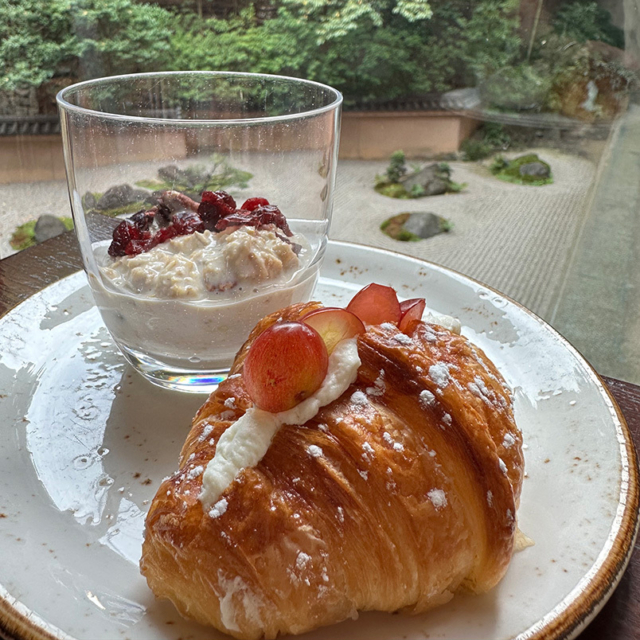
Image courtesy of Lori Mukoyama

Image courtesy of Lori Mukoyama
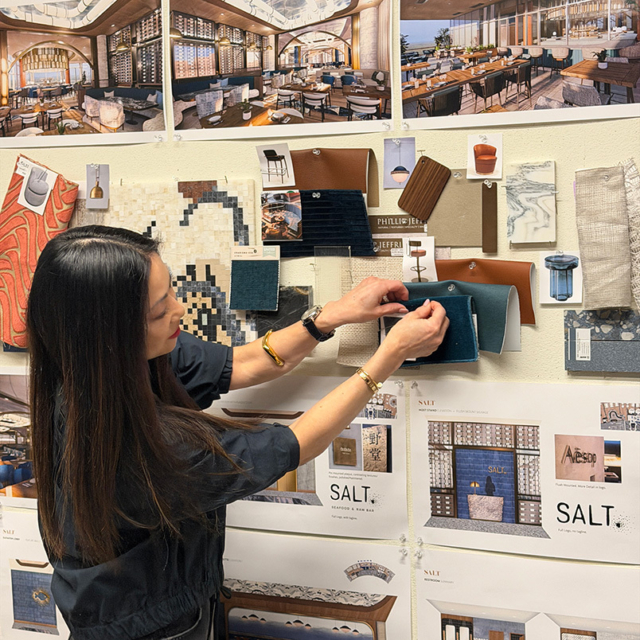
Image courtesy of Lori Mukoyama
How do you balance leadership, design strategy, and the day-to-day demands of your role?
There is a rhythm to my day that guides how I operate as a passion-driven global hospitality leader, and also as a design director at the studio level. My clients and projects always come first. To meet both the high-level and hands-on needs of my studio here in Chicago, and international teams and clients across time zones, my workday usually extends beyond the 9-5. Along with my project-based work, I focus on mentoring and knowledge sharing, one of my favorite parts of this job.
What’s one decision each day that only you can make?
The responsibility of a design director at Gensler is to be the guardian of design for each item coming out of our studio, meaning I ensure project presentations, materials, and major design submittals meet our firm’s standards of quality and design rigor. I love co-creating with our amazing team, and I truly believe collaboration is one of our studio’s strongest assets.
Gensler operates on a global scale. How do you ensure the work stays rooted in local responsibility?
I continue to be inspired by Gensler’s global footprint, while simultaneously maintaining a local presence through designs that are rooted in the Chicago community. I feel a sense of pride being able to point out projects while walking around our city where Gensler has left our fingerprint. Landmarks like Navy Pier, Willis Tower, the Old Post Office, and Midway and O’Hare International Airports — all city-shaping projects that Gensler has worked on in some capacity.
When does your work feel most meaningful? Is there a moment in the design process that still gives you a spark?
The work is most meaningful and rewarding when guests — and especially the staff who are experiencing the space every day — share a rave review. One of my favorite moments was when I recently visited one of our hotel projects in Brazil, when the greeter proudly said, “you have to see our new lobby; it’s amazing and we all love it.” Nothing brings me more joy than walking through a finished space and seeing it alive with people dining in a restaurant my team designed, listening to live music in an energetic lobby, or having a glass of bubbles at a gorgeous bar.
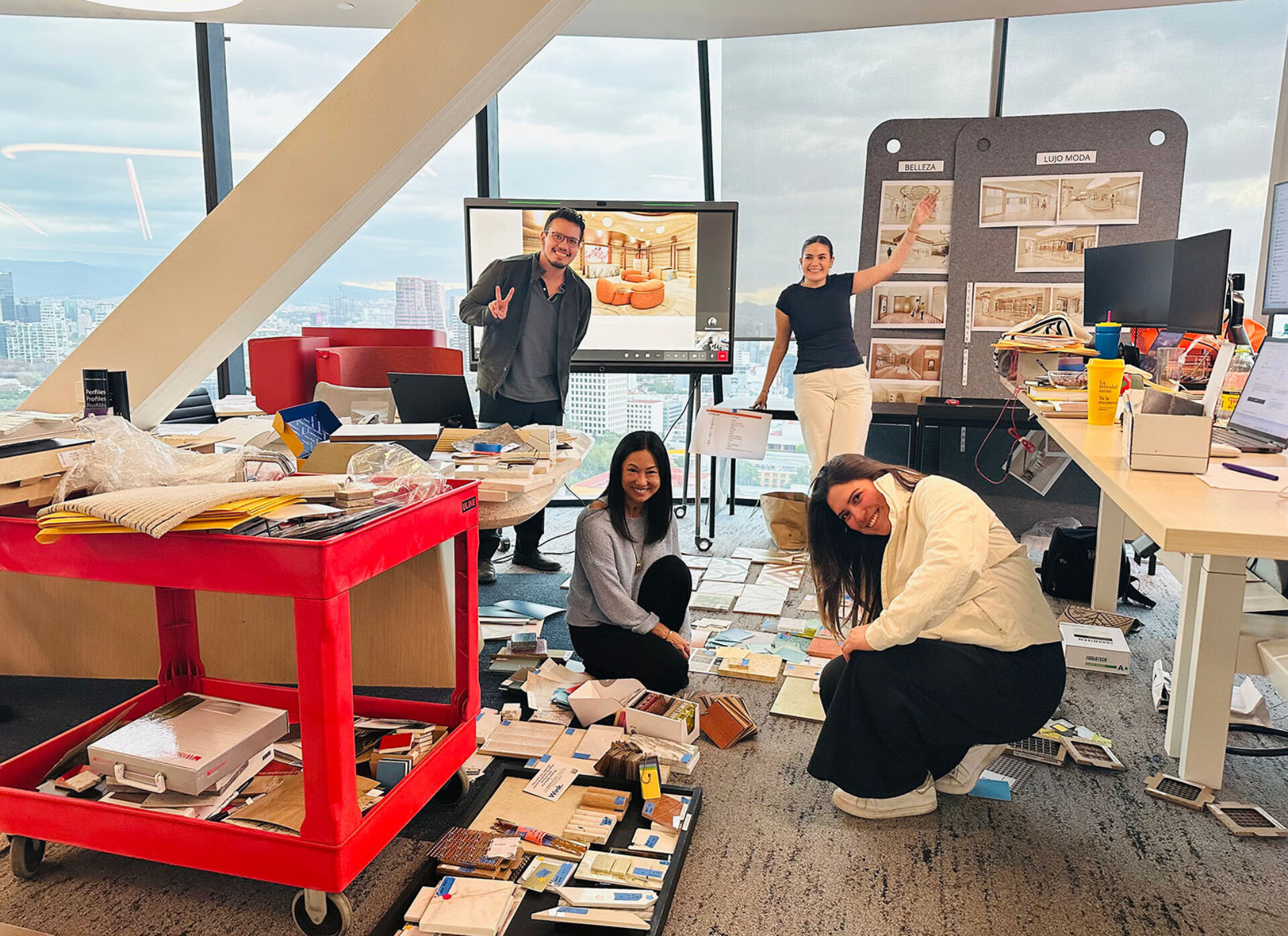
Image courtesy of Lori Mukoyama
What have the communities you design for taught you that no design school could?
Three lessons I’ve learned through my professional experience are that every design solution needs to be vetted before a final product is ready; it’s necessary to look at a design through a guest’s lens; and understanding local context can — and should — shift how we design.
Is there a project that still lives with you, one that reminds you why you do this work?
We recently collaborated with Katie Renshaw to design the interiors of her newly opened bar, Bar Bambi, in Chicago. Her entrepreneurial spirit and creative vision for bold and unconventional cocktails remind me of why I fell in love with design: to create something new and unexpected. This boutique project reinforced the idea that one person's passion can touch an entire neighborhood, and design is such an integral part of that impact.
What does mentorship look like in your day-to-day work?
A design team shines when there is diversity across ages, backgrounds, and levels of expertise. I mentor by ensuring every team member has the opportunity for their voice to be heard in design opportunities, client relationships, and knowledge sharing. These are the moments that lead to growth and ultimately promotion. I’m especially inspired by our next generation of designers — they help keep us relevant, and we grow from their fresh perspectives.
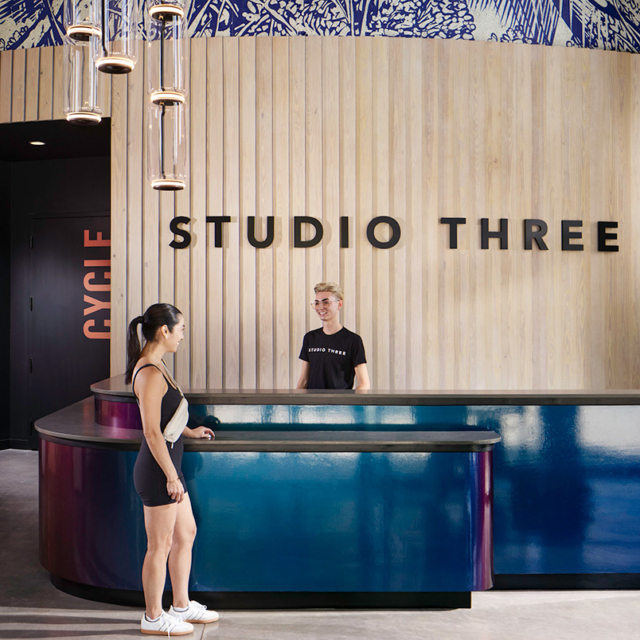
Photo by Moris Moreno, Design by Gensler
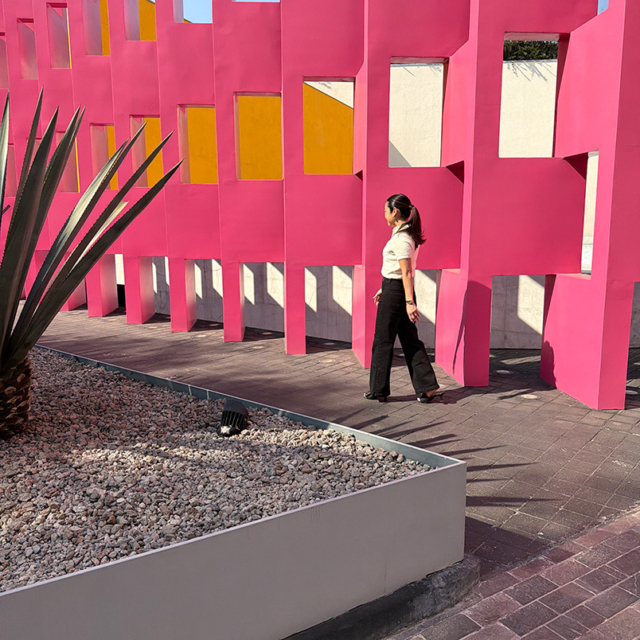
Image courtesy of Lori Mukoyama
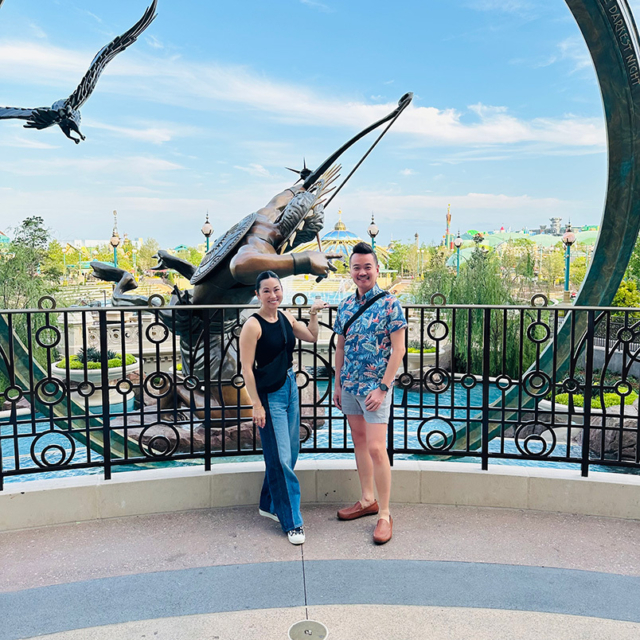
Image courtesy of Lori Mukoyama
What shift in the design industry feels inevitable over the next five years?
Learning how to meaningfully work with AI to increase efficiency and push creative boundaries, similar to when tools like CAD and Revit were first introduced. Along with the importance of understanding this new technology, I believe there will be a counterbalance — increased value placed on analogue thinking and a designer’s curated eye to create spaces that are original, thoughtful, intentional and that can’t be replicated.
If you could speak to your younger self at the beginning of your career, what would you say?
I would tell my younger self to learn every computer program and tool available, build client relationships, and nurture those connections even when there isn’t an active project underway.
When the day ends, how do you unwind? What brings you back to yourself outside of design?
When I unwind, travel is essential for connecting to what’s happening beyond my city and community. As design is core to who I am, it never fully switches off for me. I am continually inspired by Chicago creatives like Hyun Jung Jun, known for her avant‑garde “dream cakes,” and Maggie Peng, an architect and founder of local design store Pink and Tan — women who fuel my own creative thinking through their passion and norm-defying artistry.
Related Articles
-
Perspective: Design Superstars
These design superstars have set themselves apart with their dedication to doing what it takes to make the world wonderful -
We Need More Third Spaces
Three designers talk about their favorite third spaces and share design tips to foster connection -
Nature, By Design
How one landscape designer is bringing the outdoors back to the people — one urban riverbank at a time -
Shaping Spaces for Connection
Two designers with a passion for holistic design discuss how to create spaces that go beyond function and foster human connection -
The Future of Healthcare Design
From technological advances to designing for experience, these takeaways from a recent event about healthcare design offer insights that empower patients and enhance comfort -
5 Can’t-Miss Stories
The best of Perspective 2025, featuring breakthrough ideas, fascinating figures, radical innovations, and glimpses into the future of design